Trip notes · United States
Packrafting the United States
The desert rivers of the American Southwest and the mountain rivers further north are some of the best packrafting in the world. For travellers from Australia, the hard parts are the permits, the units and the seasons, which run the opposite way to ours.
Last checked November 2026
Packrafting grew up in Alaska and the American West, and the US still has some of the most varied packraft trips anywhere. You can float a week through red sandstone canyons in Utah, run cold alpine rivers in Colorado, or walk into the mountains of Montana and float back out. Below are the main regions, how permits work, and the units and seasons that trip up first-time visitors from Australia.
Regions at a glance
| Region | Example trips | Typical length | Water | Permit |
|---|---|---|---|---|
| Utah canyons | Labyrinth Canyon and Desolation-Gray on the Green River; the San Juan; the Escalante | Labyrinth about 110 km; Desolation-Gray about 135 km; Escalante about 120 to 130 km | Flatwater to Grade III | BLM forms or lotteries; free NPS permit for the Escalante |
| Arizona | Grand Canyon; Glen Canyon below the dam to Lees Ferry; the Lower Salt | Glen Canyon about 24 km | Flatwater to big-volume rapids | Grand Canyon lottery; free Lees Ferry permit |
| Colorado | Browns Canyon on the Arkansas; Pumphouse on the Upper Colorado; Ruby-Horsethief | Ruby-Horsethief about 40 km | Grade II-III | Parks passes; BLM camp bookings |
| Oregon | Rogue Wild Section | about 55 km, 3 to 4 days | Grade III, one Grade IV | Lottery in peak season |
| Wyoming and Montana | Snake River in Grand Teton; South Fork Flathead in the Bob Marshall Wilderness | Flathead about 60 km | Flat to Grade III | Park boat permit and inspection in Grand Teton |
| Texas | Rio Grande Lower Canyons below Big Bend | about 134 km, 7 to 10 days | Mostly flat, some Grade II-III | NPS backcountry permit |
The desert Southwest
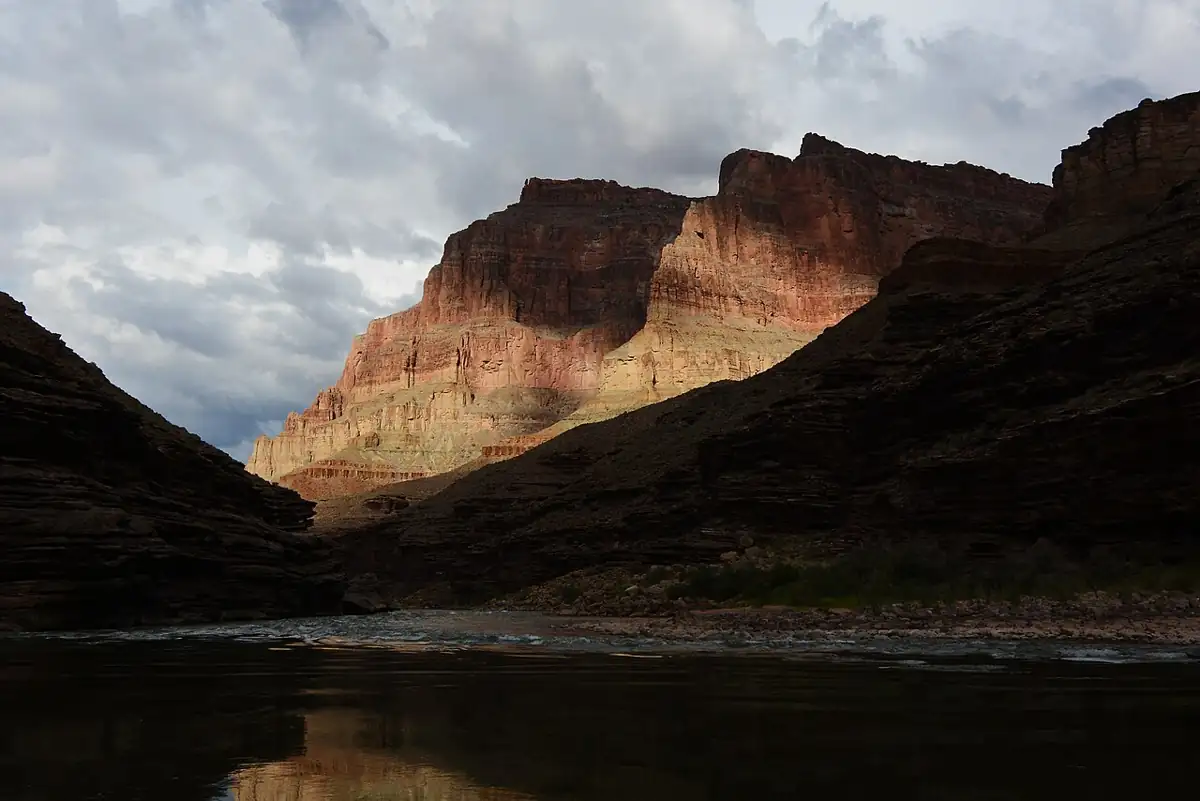
Utah and Arizona hold the classic canyon trips. The Green River through Labyrinth Canyon is flat and easy and suits a first multi-day trip. Desolation and Gray Canyons downstream give a week of Grade II-III rapids. The Escalante in southern Utah is a short-season snowmelt river that only runs for a few weeks in a good year, and a packraft is one of the few boats that suits it. In Arizona, a full Grand Canyon trip needs a lottery river permit, but packrafters also join permitted trips or use short backcountry float permits between hiking routes.
Desert rivers bring their own hazards: extreme heat in summer, flash floods from distant thunderstorms, silty water that blocks filters, and strict rules on carrying out toilet waste and using fire pans. Most permitted rivers require a portable toilet system.
Mountain rivers further north
In Colorado, snowmelt peaks in late northern spring, and rivers with dam releases settle into reliable summer flows. Oregon's Rogue is a classic multi-day trip with a trail along much of the river. Grand Teton National Park requires every boat to have a park permit and pass an aquatic invasive species inspection. In Montana's Bob Marshall Wilderness, packrafters walk for days up the South Fork of the Flathead and float back with a fly rod. Grizzly bears live in these northern ranges, so carry bear spray and use bear-resistant food storage.
Units and gauges
US agencies use miles, feet, Fahrenheit and cubic feet per second. A few conversions help when you read trip reports:
- 1 mile is about 1.6 km; 10 miles is 16 km.
- 1,000 feet is about 305 m.
- 1 cumec is about 35.3 cfs, so 1,000 cfs is about 28 cumecs.
- Water at 50 °F is 10 °C; 40 °F is about 4 °C.
The US Geological Survey (USGS) runs most river gauges, and dam operators publish release schedules for regulated rivers such as the Colorado below Glen Canyon Dam. The flows and gauges guide explains how to read a hydrograph. US whitewater uses Class I to VI, the same scale Australians call Grade I to VI.
Permits and lotteries
Many popular US rivers limit launches. The National Park Service, Bureau of Land Management and US Forest Service run most permits through Recreation.gov. Lotteries for the most popular rivers usually open in the northern winter for the following season, which means applying around December to February, our summer. Leftover and cancelled dates are released later. Shoulder-season and midweek dates are much easier to get. Read each river's stipulations carefully: group size limits, required gear such as toilets, fire pans and life jackets, and camping rules differ from river to river.
Seasons for Australians
The northern hemisphere seasons are the reverse of ours. The best time for most desert rivers is northern spring, about April to early June, and autumn, about September and October. That is our autumn and spring. Northern summer (our winter) is hot in the desert, with afternoon storms and flash floods, but it is the main season for northern mountain rivers and Alaska.
Travel and gear from Australia
- Most Australian citizens visit under the Visa Waiver Program with an approved ESTA. Check current rules before you book.
- A packraft, paddle and PFD fit in a checked bag. Remove CO2 cylinders and inflation devices that airlines restrict.
- Stove fuel cannot fly; buy it on arrival.
- Clean and dry gear before you fly home. Australian biosecurity inspects used outdoor equipment.
- Get travel insurance that covers packrafting and US medical costs, which are very high.
- Shuttles on remote rivers can take many hours each way; book a shuttle service early.
Who the US suits
The US suits packrafters who have done a few multi-day trips at home and want desert canyons or long wilderness floats. Easy rivers such as Labyrinth Canyon suit confident beginners; the Grand Canyon and Rogue need solid Grade III skills. For colder, wilder trips, see Alaska and the Nahanni, or go back to further afield.
United States questions
Do Australians need a visa to packraft in the US?
Most Australian citizens can visit for tourism under the Visa Waiver Program with an approved ESTA, applied for online before travel. Check current requirements with the US government before you book.
How do I convert cfs to cumecs?
One cumec (cubic metre per second) is about 35.3 cfs. A river running at 1,000 cfs carries about 28 cumecs.
When should I go?
Northern spring (about April to June) and autumn (September to October) suit most desert rivers. That is our autumn and spring. Midsummer brings heat and flash floods in the desert.
Which US rivers need lottery permits?
The Grand Canyon, Desolation and Gray Canyons of the Green River, the San Juan in Utah and the Rogue Wild Section in Oregon all use lotteries for peak season, run through Recreation.gov. Apply months ahead.
Can I hire a packraft in the US?
Some outfitters hire packrafts and gear in towns near popular rivers. Many Australians bring their own boat, since a packraft fits in a checked bag.