Skills · overview
Packrafting skills
A small boat is easy to carry and easy to launch. Running a river in it well takes a set of skills you can learn in steps, most of them on flat water before your first rapid.
Packrafts lower the barrier to getting on the water. The boat weighs a few pounds, rolls up into a pack and inflates on any gravel bar. Because it is so easy to start, plenty of people reach their first rapid before they have learned anything a kayaker or raft guide would consider basic. The pages below cover that knowledge in roughly the order you will need it.
Where to start
If you have never sat in a packraft, read Packrafting 101 first. It covers the boat, the kit, a sensible first outing and what to learn next, and it links back into every page listed below. After that, work through them in this sequence:
- Get the boat ready: inflating a packraft properly, with an inflation bag and a final top-up by mouth, makes it stiffer and easier to paddle.
- Learn to move it: the forward stroke, sweeps, draws and ferries on the paddle strokes page are what keep you out of trouble.
- Learn to see the river: reading whitewater explains eddies, tongues, holes and strainers, and the page on river difficulty classes shows what Class II or Class III actually means.
- Practice getting wet: self-rescue and cold-water safety are the two pages most worth rereading before every season.
A skills progression
Most packrafters move through the same stages, whether they learn in one summer or over several years. Use the table as a checklist before moving to the next stage.
| Stage | Water | You can | Pages to read |
|---|---|---|---|
| 1. Setup | Dry land | Inflate firm, fit the seat and backband, pack the boat | Inflating, Packrafting 101 |
| 2. Flat water | Lake or slow, warm river | Paddle straight, turn in place, stop, climb back in after a swim | Paddle strokes, Self-rescue |
| 3. Easy current | Class I | Ferry, catch and leave large eddies, read a gauge before you go | Paddle strokes, River flows and gauges |
| 4. First rapids | Class II with experienced company | Pick a line, scout from shore, swim defensively, catch a throw rope | Reading whitewater, Self-rescue |
| 5. Building judgment | Class II on your own group's terms | Match a run's grade and flow to your skills, plan for cold water | River difficulty classes, Cold-water safety |
| 6. Harder water | Class III and up | Brace, run must-make moves, rescue others | A swiftwater course, then the whitewater pages |
Plan on a season or more at stages 4 and 5. The jump from easy rapids to Class III is where most packrafters benefit from formal training, and where outfitting starts to matter: thigh straps, a spray deck or self-bailing floor, a helmet and a drysuit in cold water.
Planning and judgment
A river at one flow can be a different river at another. The guide to river flows and gauges shows how to read USGS gauge data in cubic feet per second, how to compare a reading to a trip report and what a rising hydrograph means for the day. Pair it with the trip pages in the Trips section and the step-by-step advice on planning a packraft trip.
Two more pages deal with how you behave out there. Leave No Trace on rivers explains camping on sandbars, packing out human waste in canyons that require it, and how to keep a small group invisible. Packrafting with a dog walks through training a dog on dry land and flat water before any moving water.
Good judgment on the river means turning back when the gauge reads higher than you planned for, walking a rapid nobody in the group is sure about, and choosing a warm, short run when everyone is tired. The pages here give you what you need to make those calls early, at the put-in or the scout, instead of in the middle of a rapid.
Learning from others
Some things you have to learn in the water. Swiftwater rescue practice, throw-bag work and supervised swims are best done with an instructor. The page on packrafting courses explains what a typical packraft or swiftwater rescue course covers, how to judge a school and what to bring. If you want to try the sport before committing to a boat, renting a packraft covers how rentals work and what to inspect at pickup.
Paddling with more experienced friends or a local club fills the gaps between courses. Watch where they place their boats, ask why they chose a line, and offer to set safety with a throw bag while they run a rapid.
The page on boat care and storage covers rinsing, drying, UV and how to store a raft over winter. When something does tear, the packraft repair guide in the Gear section takes over. For the equipment side of safety, the gear pages on life jackets and drysuits and layering explain fit and what to wear for the water temperature.
All skills pages
 01
Packrafting 101
The beginner primer: the boat, the kit, launching, first strokes, common mistakes and a season-long plan for learning.
 02
Inflating a packraft
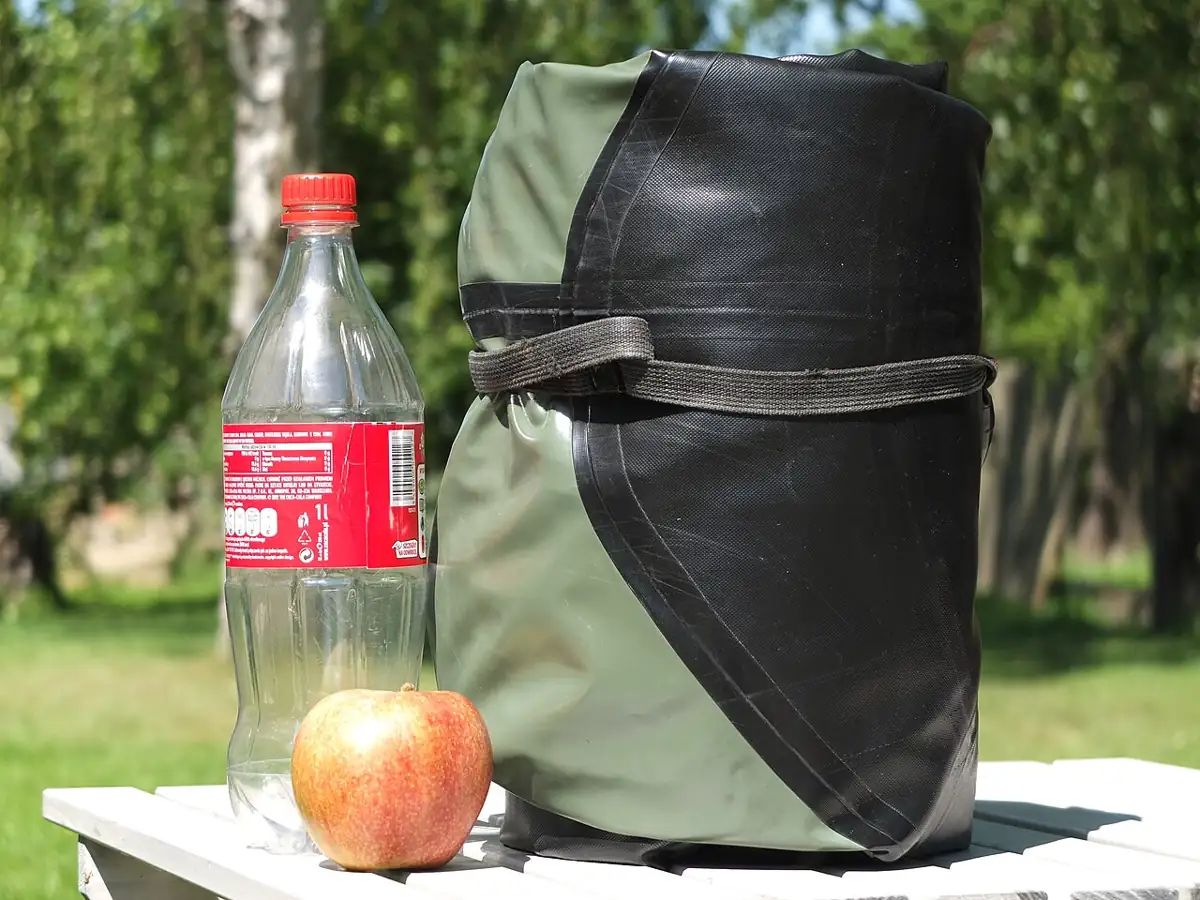
Fill the boat with an inflation bag, top it up by mouth, adjust for cold water and heat, and roll it away without trapping air.
 03
Paddle strokes for packrafts
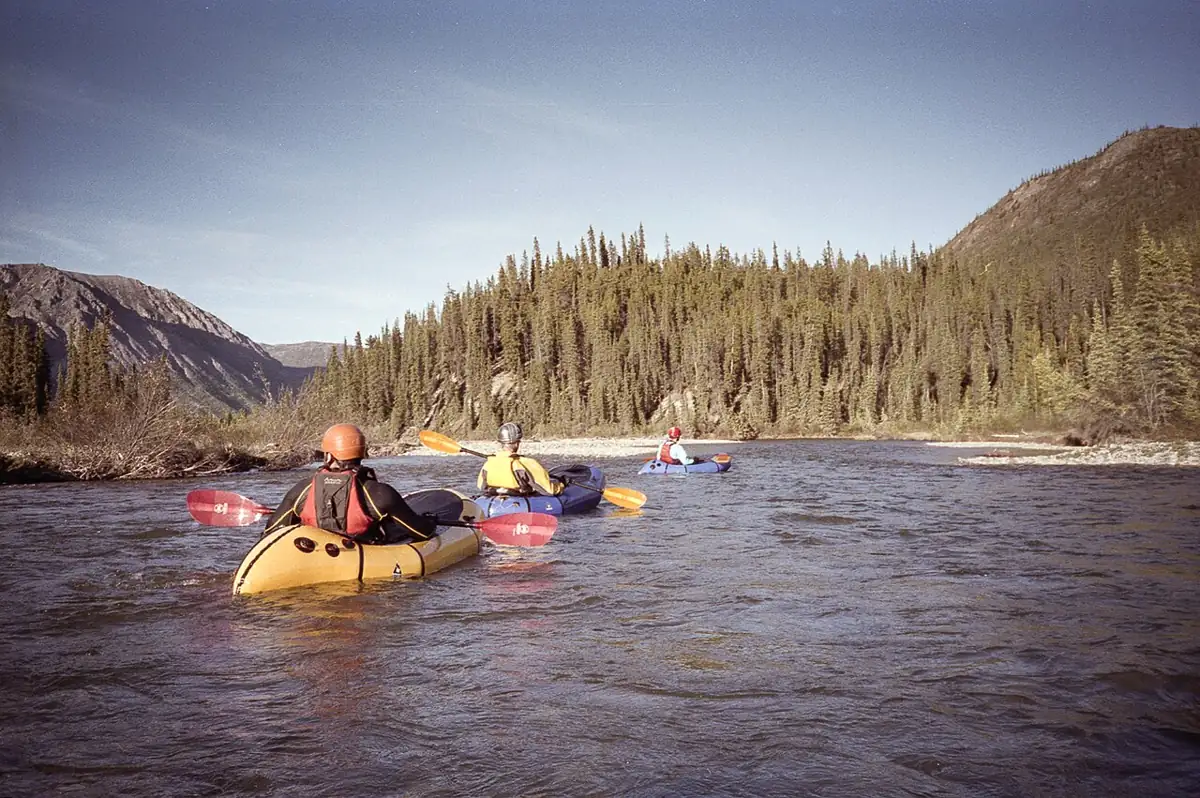
Forward stroke, sweeps, draws, braces, ferries and eddy turns for a short, wide boat that spins easily, plus faults and drills.
 04
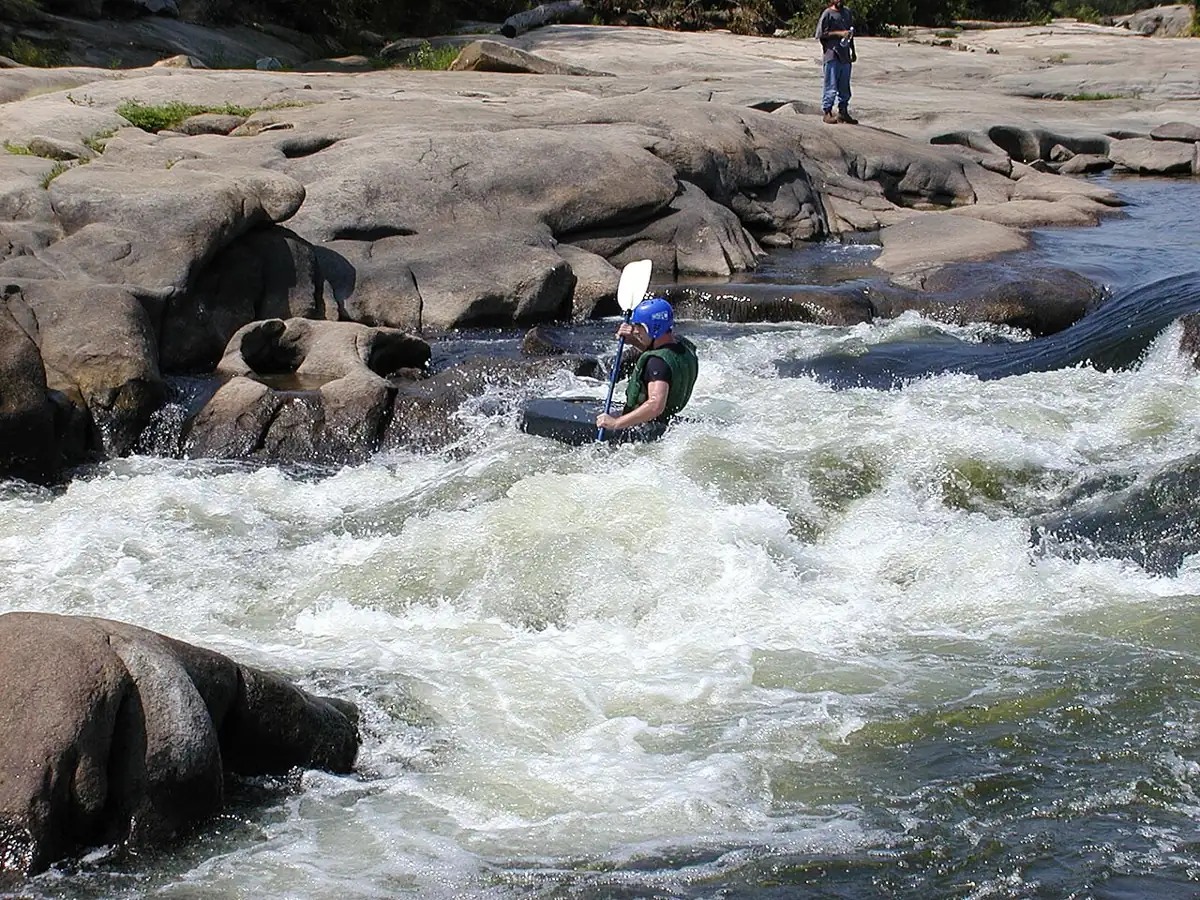
Reading whitewater
The features of a rapid, what to do at each one, which ones kill, and how to scout a line from shore and from the boat.
 05
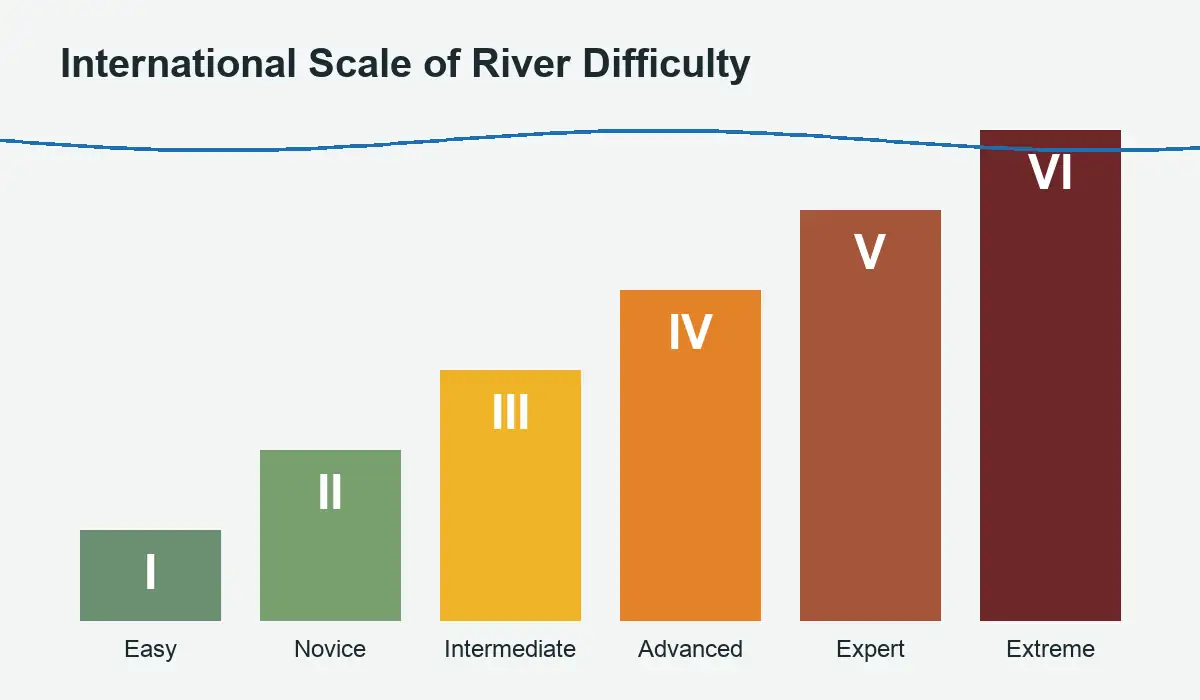
River difficulty classes
What Class I through VI mean on the International Scale of River Difficulty, the skills each grade asks for, and how flow changes a grade.
 06
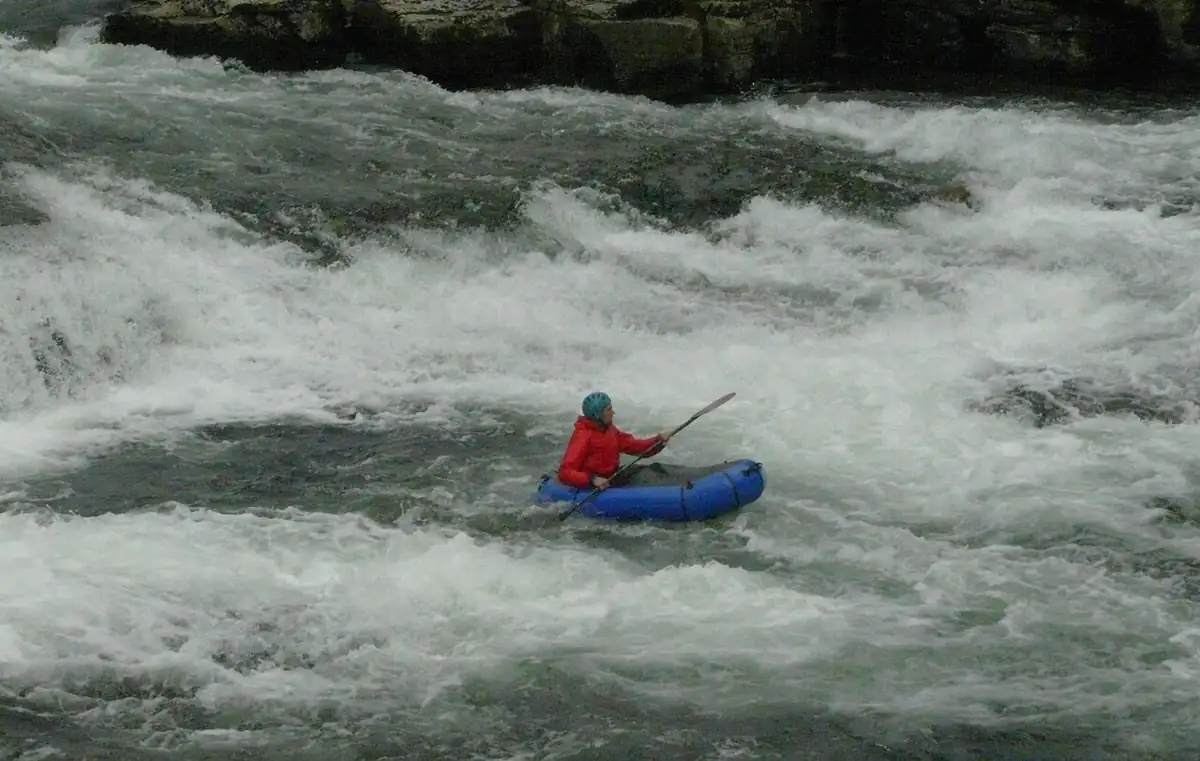
Self-rescue for packrafters
Defensive swimming, re-entering a packraft in deep water, throw-bag rescues and a season plan of drills to practice before you need them.
 07
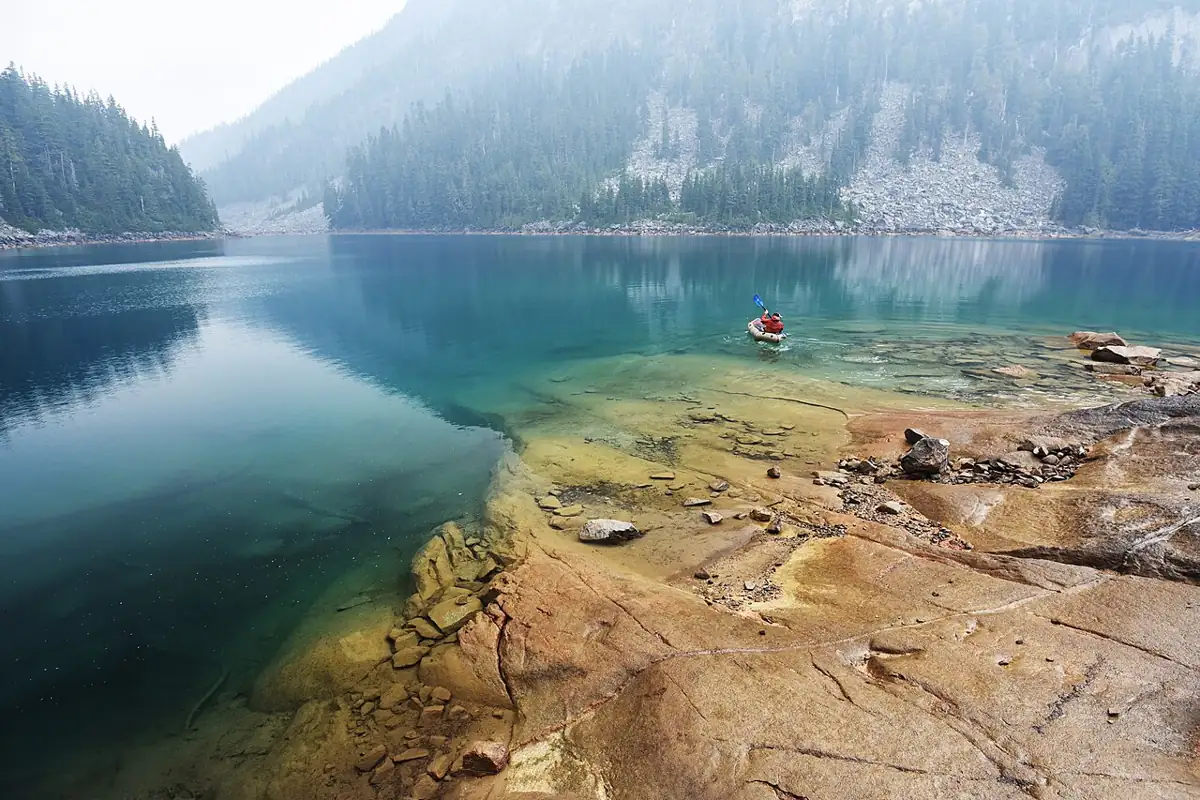
Cold-water safety
The stages of a cold swim, a water-temperature clothing table, rewarming steps and how cold water changes trip planning.
 08
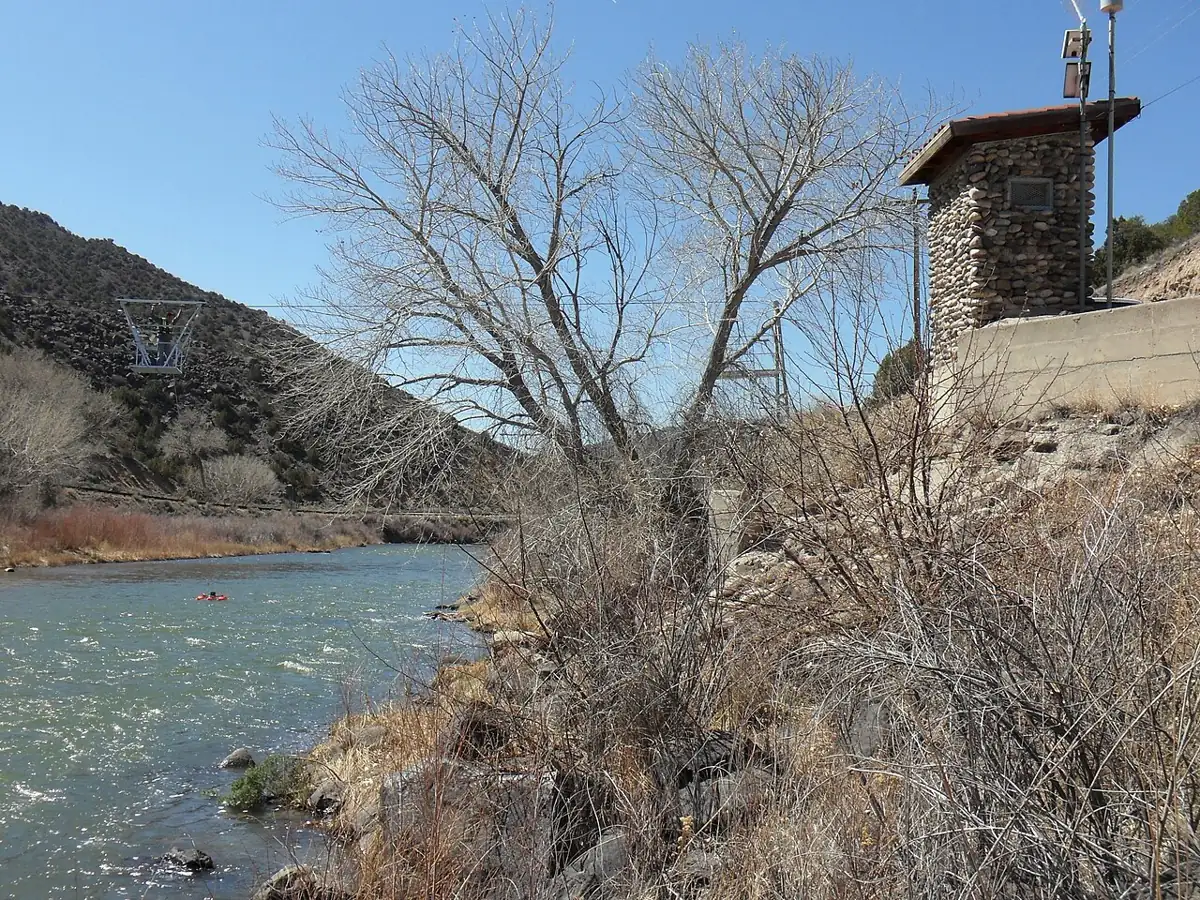
River flows and gauges
Reading cfs and gage height, finding USGS monitoring locations, a worked gauge check and how flows change through the day and season.
 09
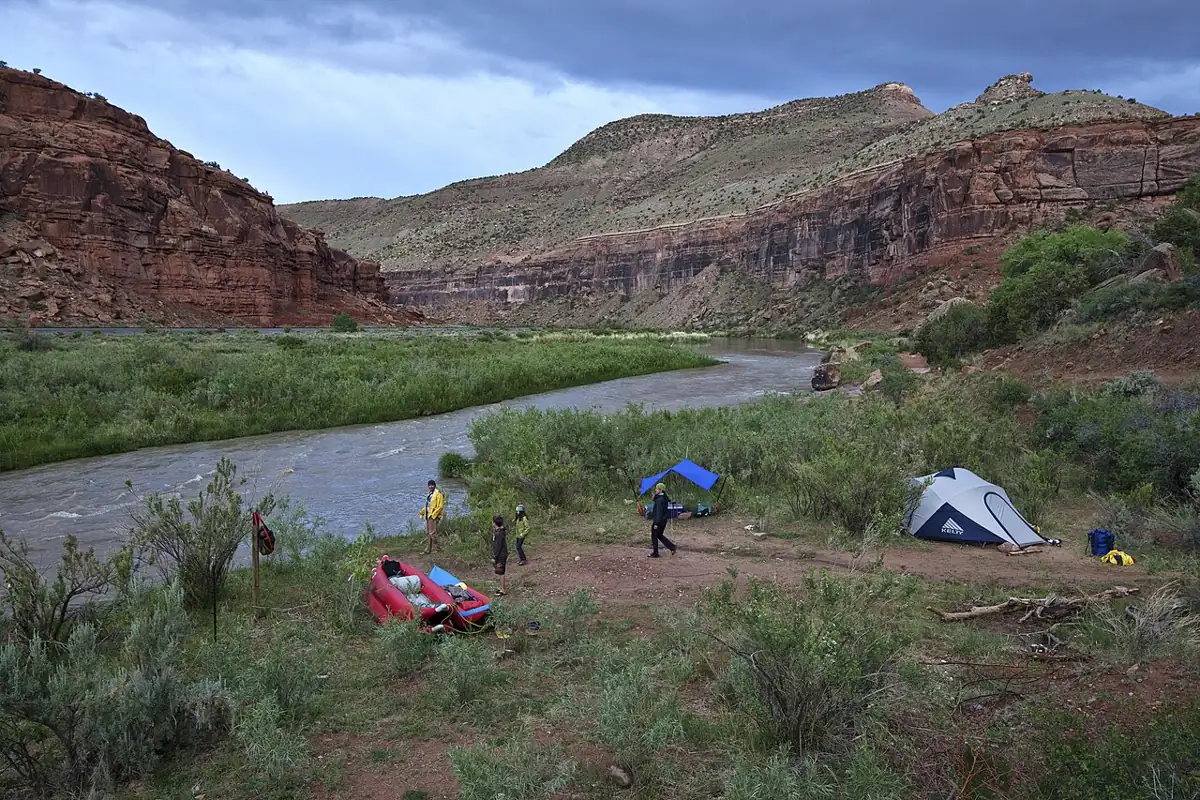
Packrafting with your dog
Teaching a dog to load and settle, dog PFD fit, boat setup, claws, heat and cold, a dog swim plan and where dogs can and cannot go.
 10
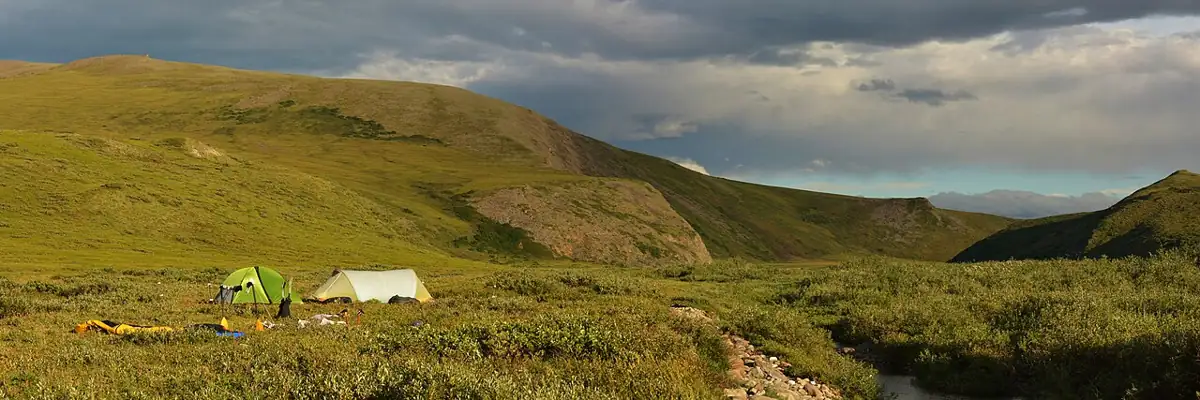
Leave No Trace on the river
Leave No Trace on rivers, from toilet systems and fire pans to choosing a camp on sand and cleaning a boat between watersheds.
 11
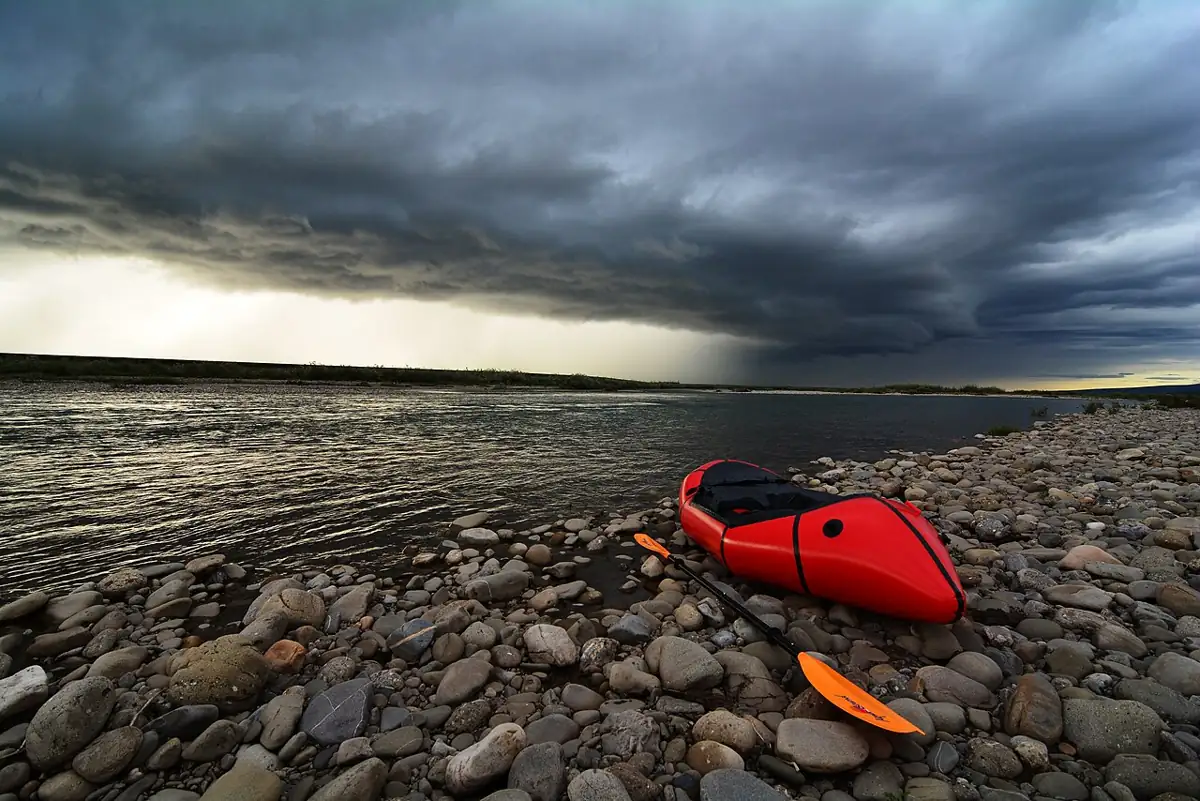
Packraft care and storage
Cleaning and drying after every trip, field care, UV and heat, zippers and valves, long-term storage and a pre-season inspection routine.
 12
Learning with an instructor
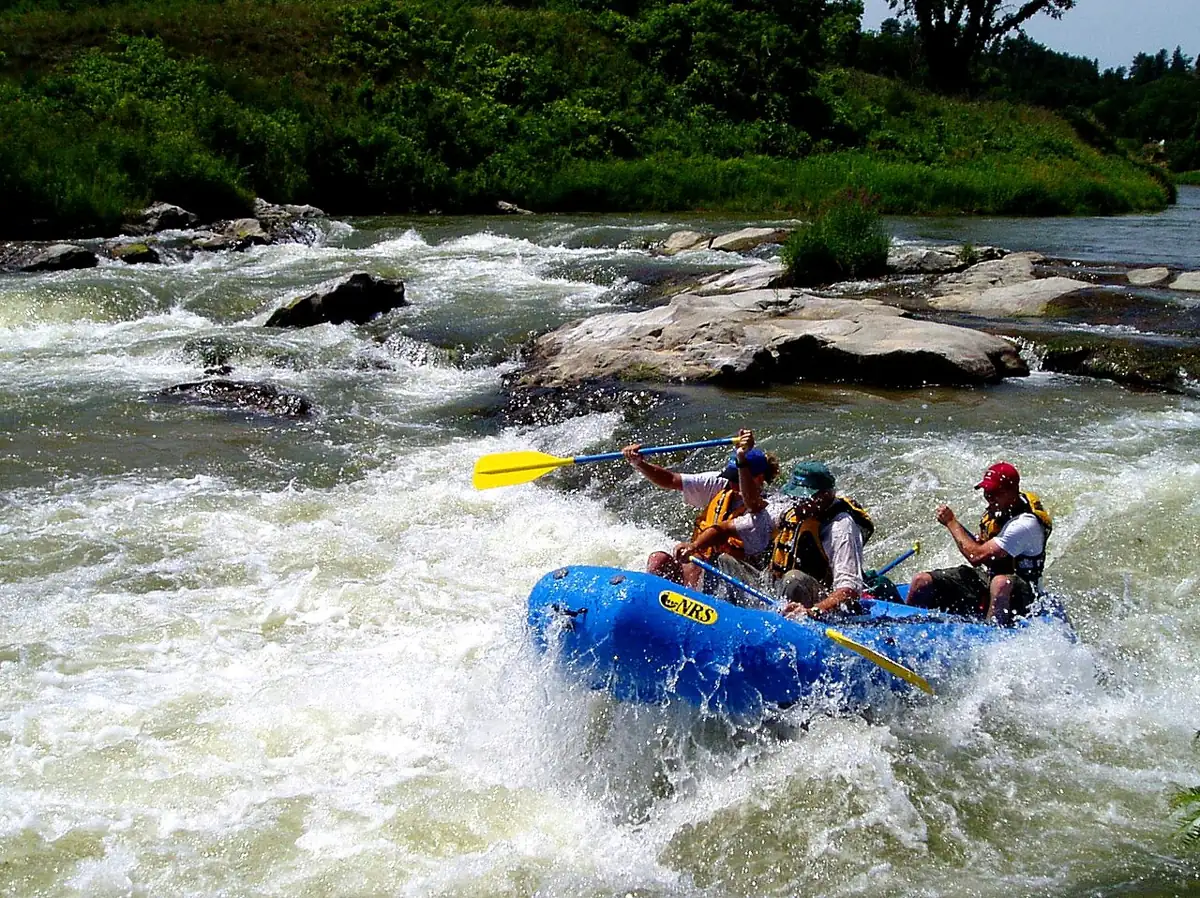
Course types from intro to swiftwater rescue, instructor certifications, how to vet a school, questions to ask and a packing list for class.
 13
Renting a packraft
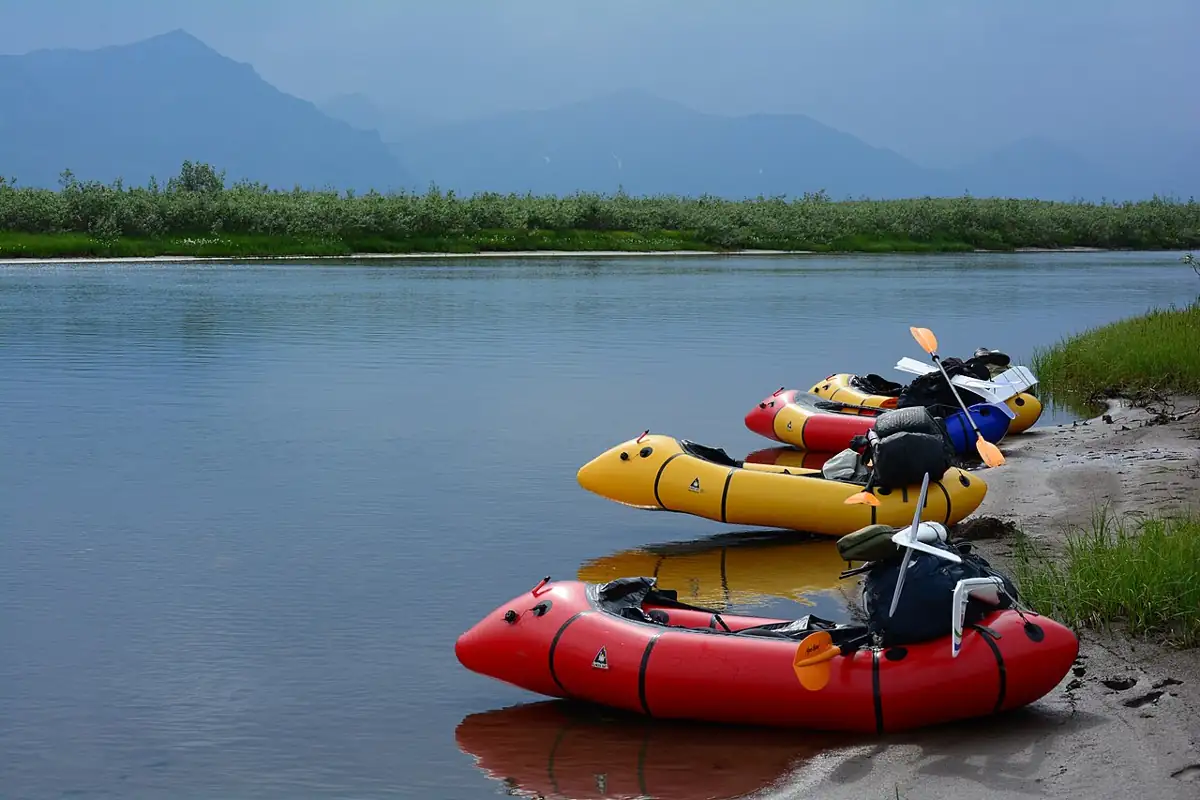
Booking, deposits and waivers, what comes in a rental kit, a pickup checklist, questions for the shop, care while you have it and rent versus buy.