Skills · instruction
Learning with an instructor
A good course packs years of trial and error into a weekend, including supervised swims in real current that are hard to arrange any other way.
Last checked November 2026
Many packrafters arrive from hiking and backpacking rather than from kayaking or rafting. They tend to be fit and at home in the backcountry, yet nobody has ever shown them how moving water behaves. Learning that by trial and error works until the day it doesn't, and a good instructor shortens the process a lot.
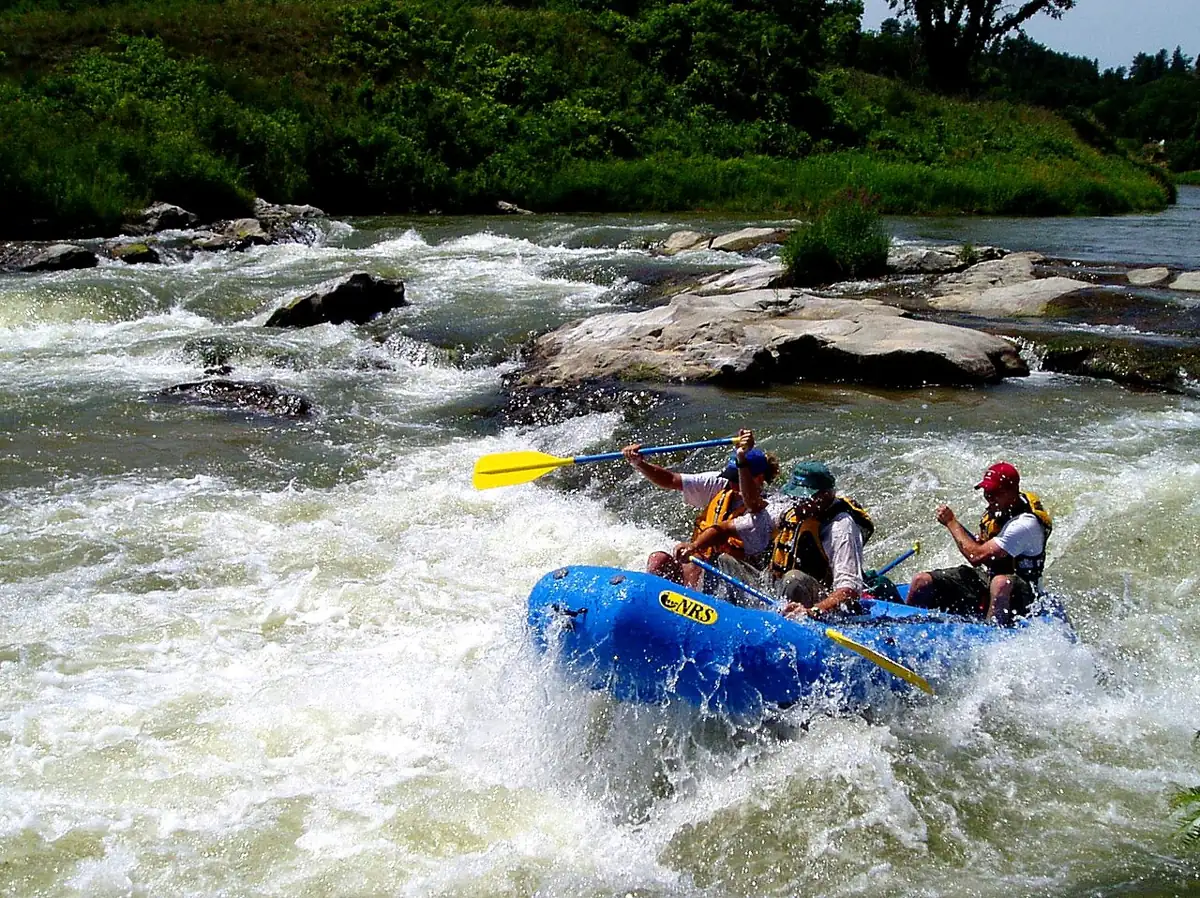
A course also gives you something you can't easily set up on your own: a chance to swim rapids on purpose, with trained people below you holding throw bags. Most paddlers' first real swim happens by accident, cold and surprised. If you have already swum a rapid in class, you are more likely to roll onto your back, find the eddy and keep hold of the boat when it happens for real.
Types of course
| Course | Usually covers | Good for |
|---|---|---|
| Intro to packrafting | Boat setup, strokes, launching and landing, flat-water and Class I practice, basic river reading, wet exits | First-time paddlers |
| Moving water or whitewater skills | Ferries, eddy turns, peel-outs, bracing, line choice, scouting, Class II to III runs | Paddlers who are comfortable on flat water |
| Swiftwater rescue (often packraft-specific) | Defensive and aggressive swimming, throw-bag rescues, re-entry in current, boat-based rescue, entrapment, basic rope systems | Anyone running moving water, especially group leaders |
| Wilderness first aid | Patient assessment, hypothermia, injuries and evacuation decisions far from help | Anyone on remote or multi-day trips |
Course length varies from a single day to several. Rescue courses commonly run two or three days, often starting in a classroom with gear, river features, hand signals and how to find flow data, before moving into the water.
Which course first?
| Your background | Start with | Then |
|---|---|---|
| New to paddling of any kind | An intro course on flat water and easy current | Moving-water skills once you can steer and stop reliably |
| A hiker who already owns a boat and has floated easy rivers | Moving-water skills, or a combined skills and rescue course | Swiftwater rescue before you step up to Class II and above |
| A kayaker or rafter moving to packrafts | A packraft-specific rescue or whitewater day | Practice on rivers you already know |
| Planning remote multi-day trips | Swiftwater rescue plus wilderness first aid | A refresher every few seasons |
If you are not sure, read the packrafting basics and be honest with the instructor about what you have done. Most schools will steer you to the right level.
Certifications and what they mean
In the United States, the best-known paddling certification body is the American Canoe Association (ACA). It runs a tiered packrafting curriculum, from an introduction to packrafting through river packrafting to whitewater packrafting, and a separate river safety and swiftwater rescue track. ACA instructors are certified at a level and can teach courses at that level and below. Becoming an instructor involves a multi-day development workshop and exam, and instructors are expected to hold current CPR and first aid training and to take update courses to keep their certification.
Other organizations run swiftwater rescue programs too, some aimed at professional river guides and emergency responders. A rescue certificate from one of them is a good sign, though it says nothing about how well the person teaches packrafters to paddle. For first aid, the common outdoor courses are wilderness first aid (usually a weekend) and the longer wilderness first responder course.
A certificate shows the instructor met a standard on the day they were assessed. It won't tell you how recently they have taught or how much time they have spent in packrafts, so ask about both.
A typical rescue course day
The morning may be classroom work and rope practice on land. Then the group ferries across a river to a practice site and starts swimming rapids on purpose: defensive position first, then aggressive swimming to eddies, then catching throw bags. Later sessions add flipping the boat in a rapid, swimming it to an eddy with the paddle and climbing back in, plus helping a buddy and herding a loose boat to shore. Many courses finish with paddling practice and a short run, so you leave having used the new skills in your own boat.
Expect to finish cold and a little bruised, with a clearer idea of what you still need to learn. Read the self-rescue page beforehand so the terms are familiar.
What a skills day looks like
A moving-water skills course spends more time in the boat. You will usually start on flat water with forward strokes and turns, then move to a small rapid or an eddy line and practice the same moves over and over: ferrying across the current, catching eddies, peeling out. Instructors often break the group into pairs to watch each other. By the end of the day you should be reading the water ahead of you, which the river-reading guide also covers, and choosing a line before you commit to it.
Judging an instructor or school
- Ask about certifications. Recognized swiftwater rescue and paddling instructor programs exist; ask which one the instructor holds and when they last renewed.
- Ask how much packraft experience the instructors have. Kayak and raft skills carry over, but packrafts behave differently in holes and eddy lines.
- Ask about the student-to-instructor ratio in the water. Lower is better, especially for rescue days.
- Ask what happens if the river is too high or low on the day, and how they choose practice sites.
- Ask about the first aid training of the staff and what emergency plan they use.
- Ask whether boats, paddles, drysuits and helmets can be borrowed, and what condition they are in.
A good school answers these without fuss and will say so if a course is the wrong level for you. Be cautious about anyone who promises to get a beginner running Class III in a weekend.
More questions worth asking
- What are the prerequisites, and how do you check them?
- Which river and which sections will we use, and what class are they at typical flows?
- How much of the day is on the water, and how much in a classroom or on land?
- Is the course run in packrafts only, or mixed with kayaks?
- What is the cancellation policy if the river is unsafe or the weather turns?
- Do you have permits or permission to teach on that river?
Warning signs
- No clear answer about who is teaching or what they are certified in.
- Large groups with one instructor on a rescue day.
- No talk of a safety plan, first aid or evacuation.
- Pressure to run harder water than the course description says.
- Vague or shifting information about location and level.
What to bring
Check every drysuit zipper before each swim and after each break. A relief zipper left partly open will flood the suit on the first cold swim. The cold-water guide and the gear page on drysuit layering cover how to stay warm through a long day in the water.
If you are buying gear before a course, a whitewater helmet and shoes that stay on in a swim are the two items most people underestimate. Sandals and loose sneakers come off in the first swim, and you will be standing on slippery rocks all day.
Getting the most out of a course
- Arrive with your boat set up and your gear already tried on, so class time goes to learning.
- Ask the instructor to watch you specifically for one thing you want to improve.
- Volunteer to go first sometimes. The first swimmer gets the most attention.
- Take notes at lunch and at the end of the day while it is fresh.
- Write down the river, the flow and the features you practiced on; the flows and gauges page explains how to find the number later.
After the course
Skills fade without practice. Practice throw-bag tosses in a park, run ferry and eddy drills on easy water and take a refresher every few seasons. If you do not own a boat yet, a rental lets you practice the new strokes before you buy. The rest of the skills library picks up from here.
Paddling with people you met on the course is one of the easiest ways to keep practicing. Clubs and informal meetups also run practice sessions and easy group floats, and the journal has a note on packraft gatherings and events.
Do I need a course to start packrafting?
Not for calm lakes and easy floats, but anyone planning to run moving water benefits from at least a skills day and a swiftwater rescue course.
What certifications should a packrafting instructor have?
Look for a recognized paddling instructor certification, such as the ACA's packrafting levels, plus current swiftwater rescue and first aid training. Ask when each was last renewed.
How long is a swiftwater rescue course?
Commonly two or three days, mixing classroom and land practice with swims and rescues in current.
Can I take a course without owning a packraft?
Often yes. Many schools lend boats and gear, or you can rent a kit for the course. Ask what is available and in what sizes.
How often should I retake a rescue course?
Many paddlers take a refresher every few seasons, and sooner if they are leading trips or moving up to harder water.