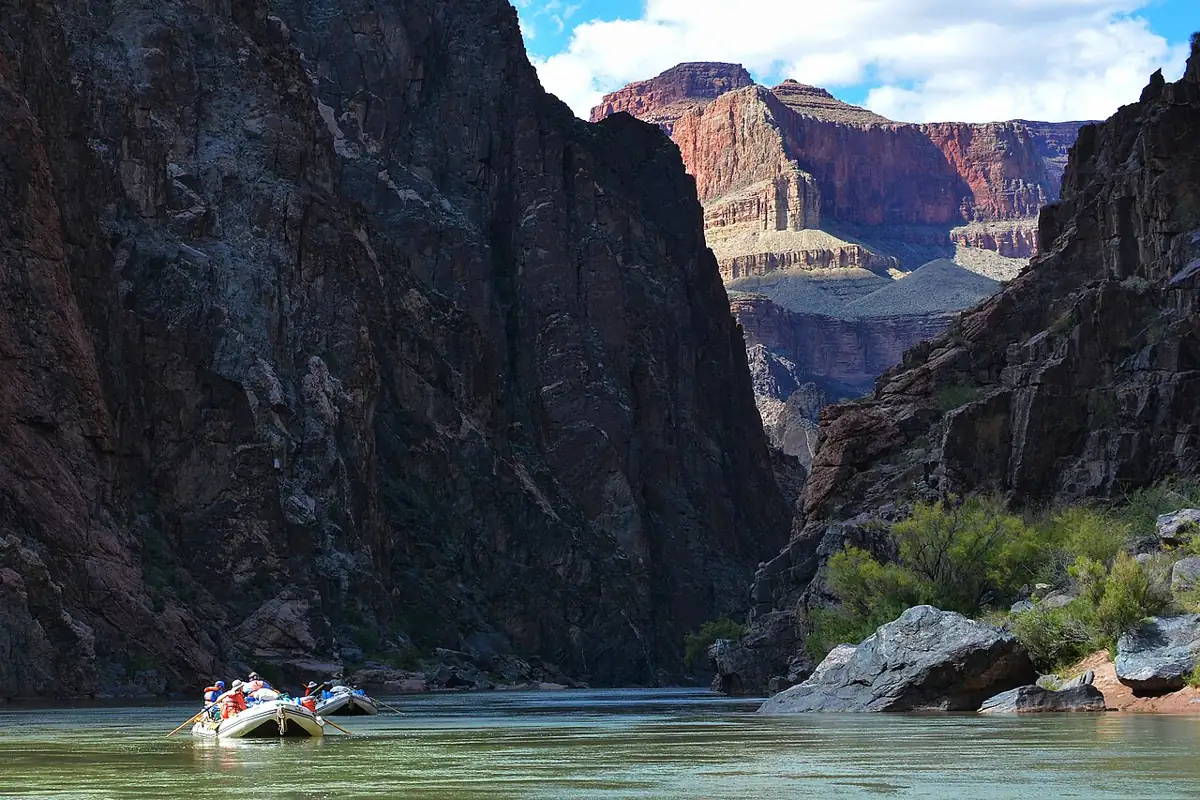
Trips · overview
Packraft trips
A packraft opens up rivers that are too remote, too low or too awkward to reach for any other boat. These trip notes cover where to go, when, and what the managing agency expects of you.
Every packraft trip starts with the same question: what can you and your group paddle safely, at the flow you are likely to find, in the time you have? A good whitewater packraft handles Class III and beyond in skilled hands, and a light open boat will float a desert river for a week, so the boat rarely limits the choice. Your skills, the season, the shuttle and the permit usually do.
How to choose a trip
- Be honest about difficulty. Pick a river at least one class below the hardest water you have run comfortably, especially for a multi-day trip with a loaded boat. The page on river difficulty classes explains what the grades mean in a small inflatable.
- Match the season to the river. Snowmelt rivers peak in late spring, dam-fed rivers run on release schedules, and desert creeks may float for only a few weeks a year. Learn to read a USGS gauge before you commit to dates.
- Check the permit system early. Some rivers need nothing, some use a free self-issue form, and the most popular run lotteries months ahead.
- Plan the logistics: shuttle, water, camps, and how you get out if something goes wrong. The planning guide walks through it.
- Pack for the conditions you expect. Start from the packing list and adjust for cold water, desert heat or required items like portable toilets.
How the trip notes are organized
Each trip page opens with a fact box (section, rough length, typical difficulty, best season, managing agency and whether a permit is needed) followed by notes on access, flows, hazards, camping and packraft-specific advice.
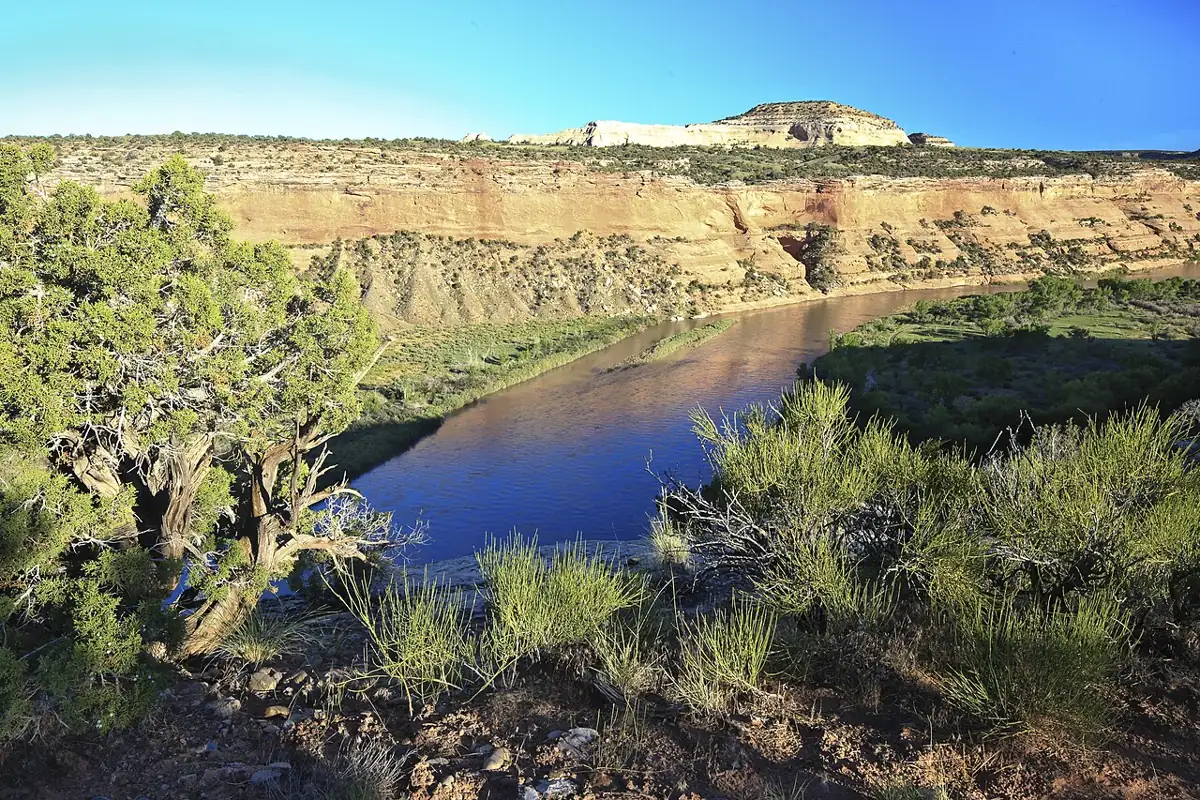
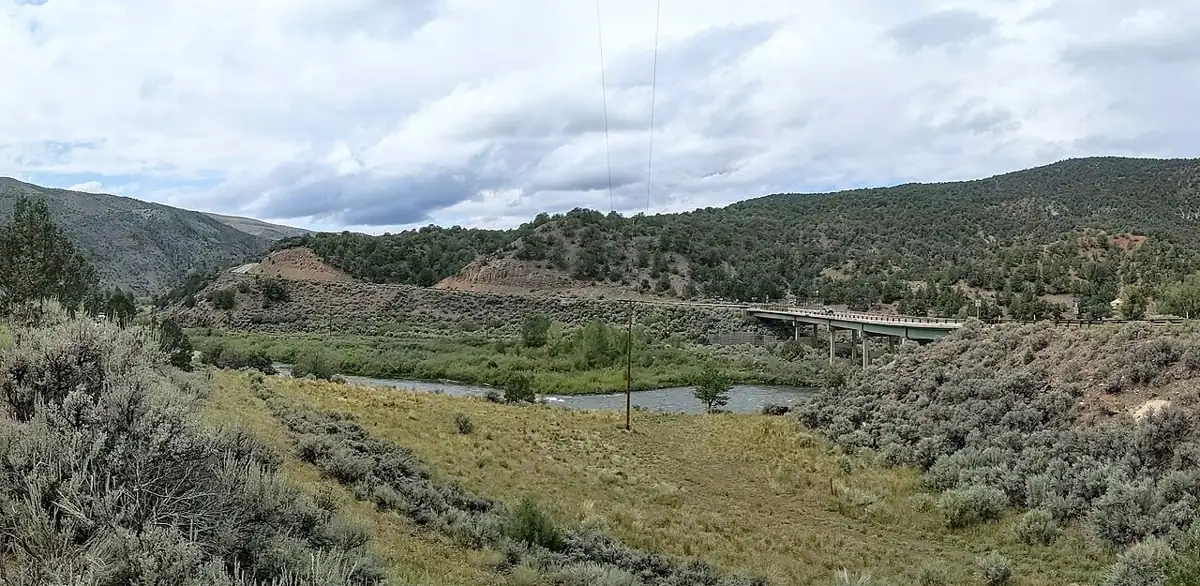
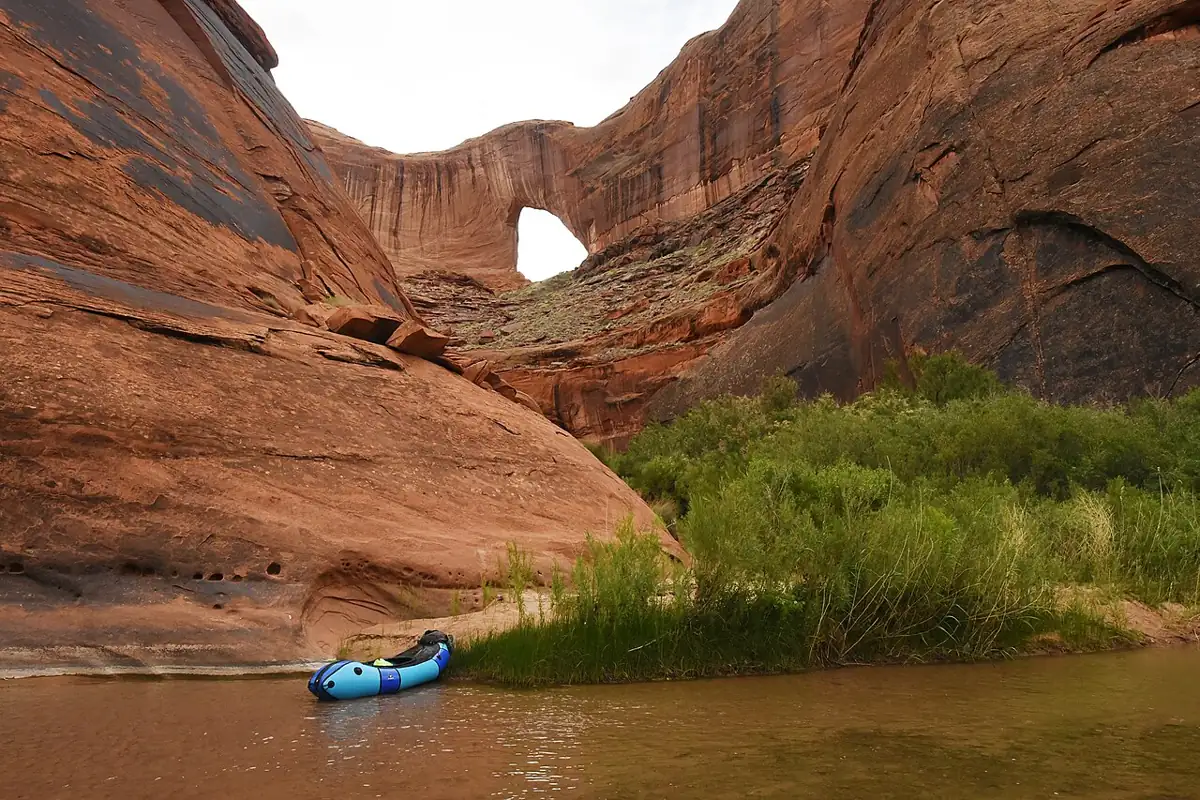
Colorado covers day runs and short overnights fed by snowmelt and reservoir releases: the Foxton run near Denver, Browns Canyon on the Arkansas, the Upper Colorado below Gore Canyon and Ruby-Horsethief Canyon at the Utah line.
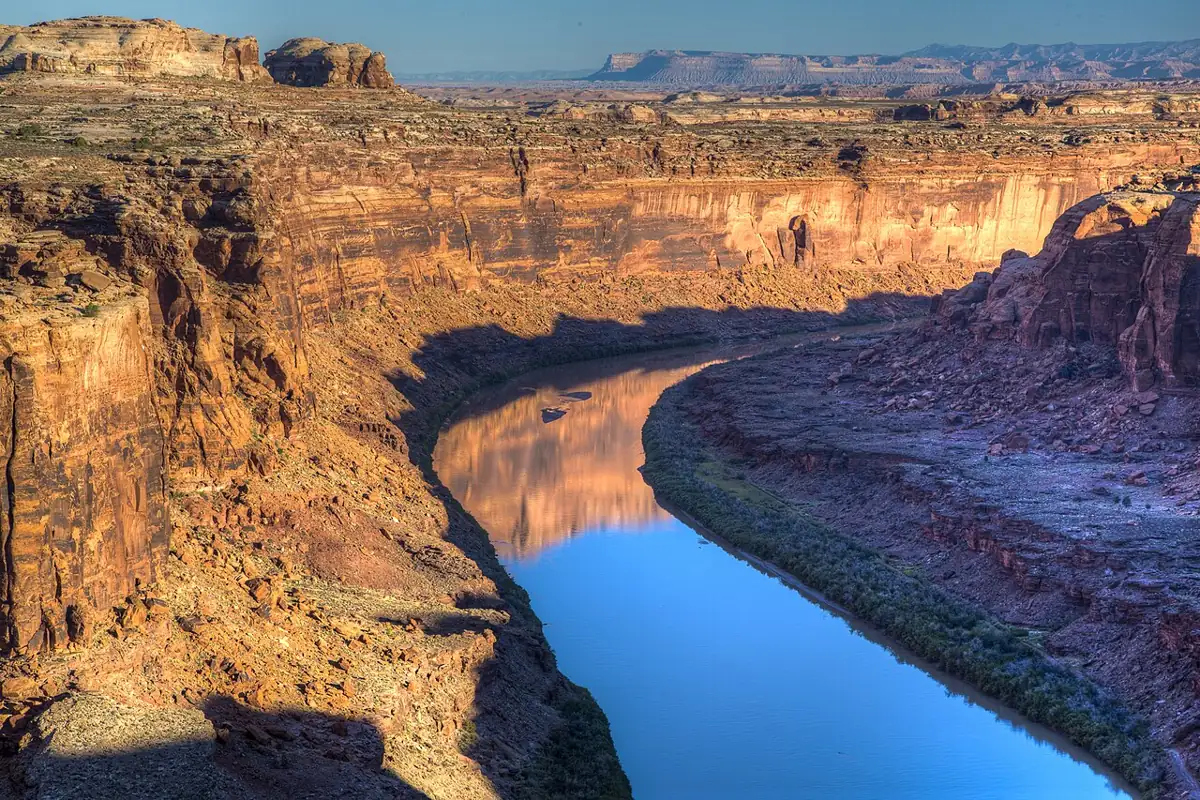
Utah is canyon country. Labyrinth Canyon on the Green River is the classic flatwater float, with Desolation and Gray Canyons, the San Juan and the Escalante for longer or wilder trips.
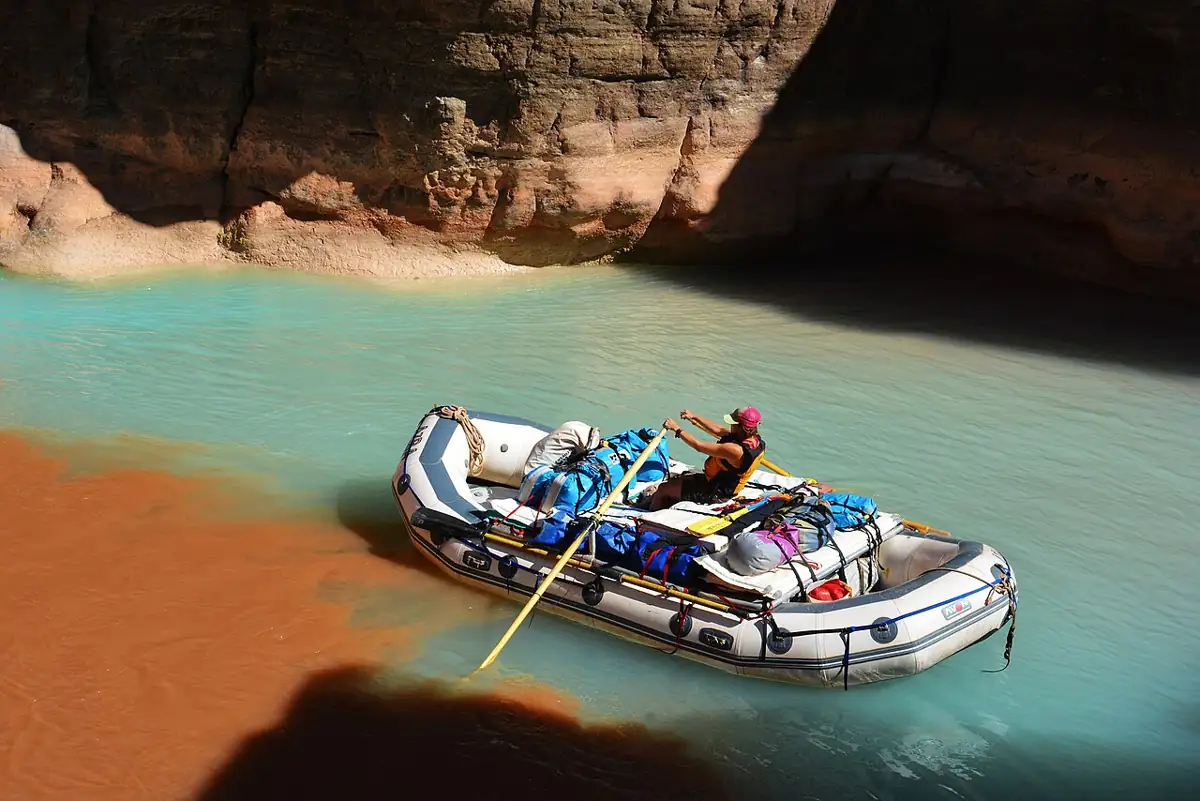
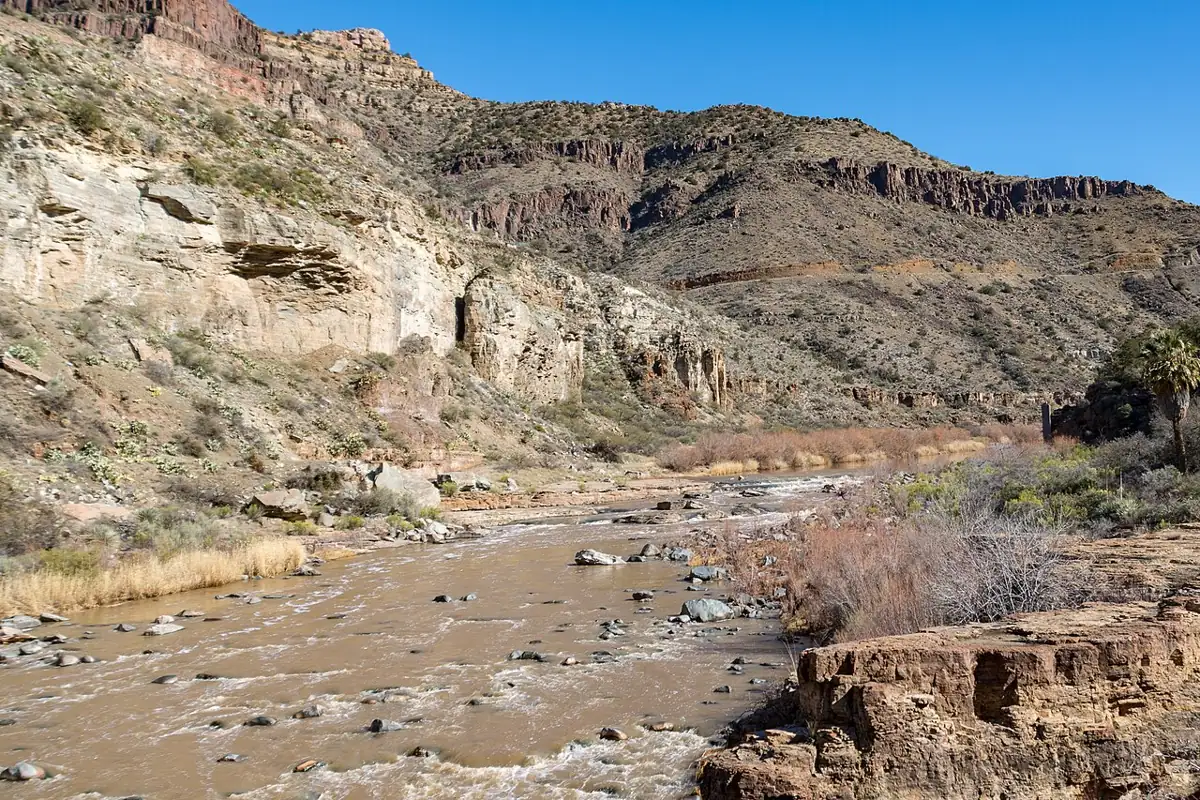
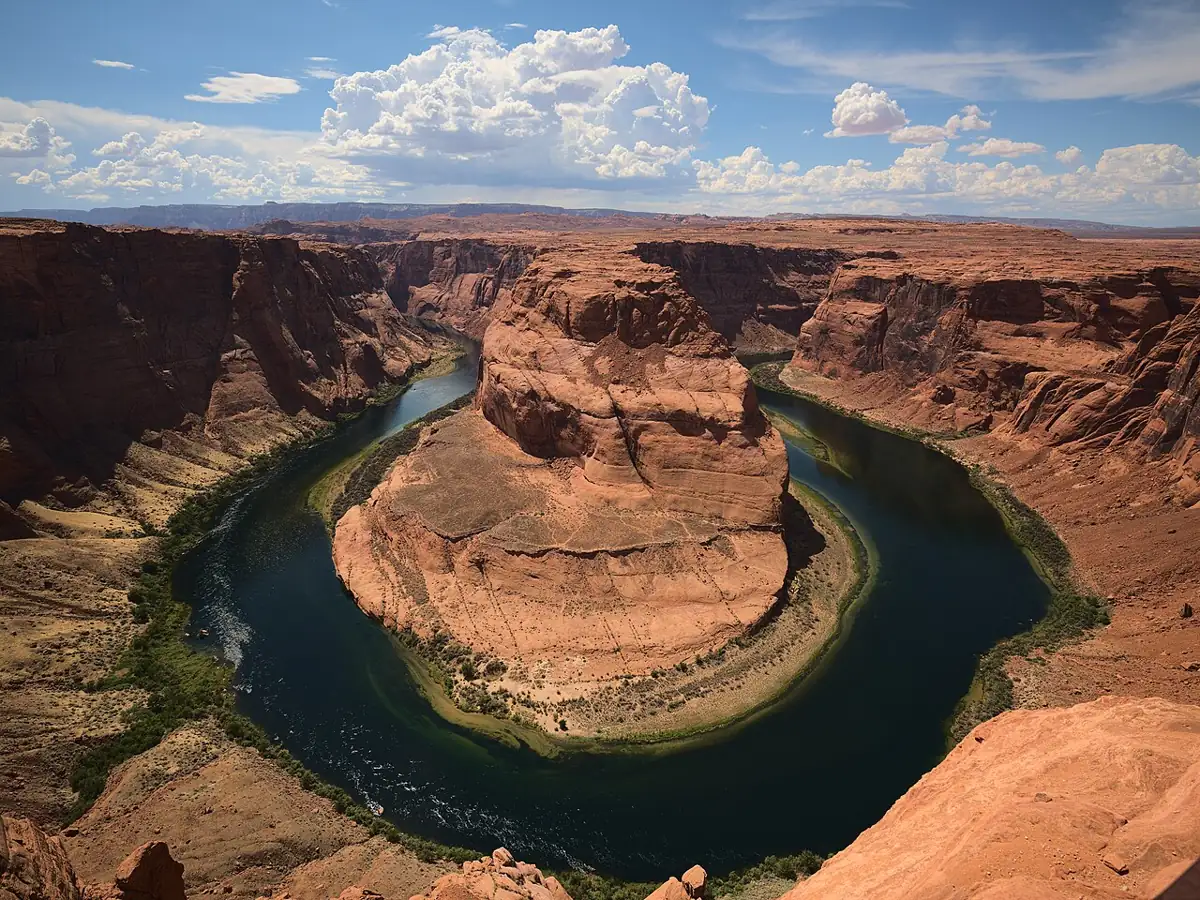
Arizona follows the Colorado River through Glen Canyon and the Grand Canyon and adds the desert whitewater of the Salt.
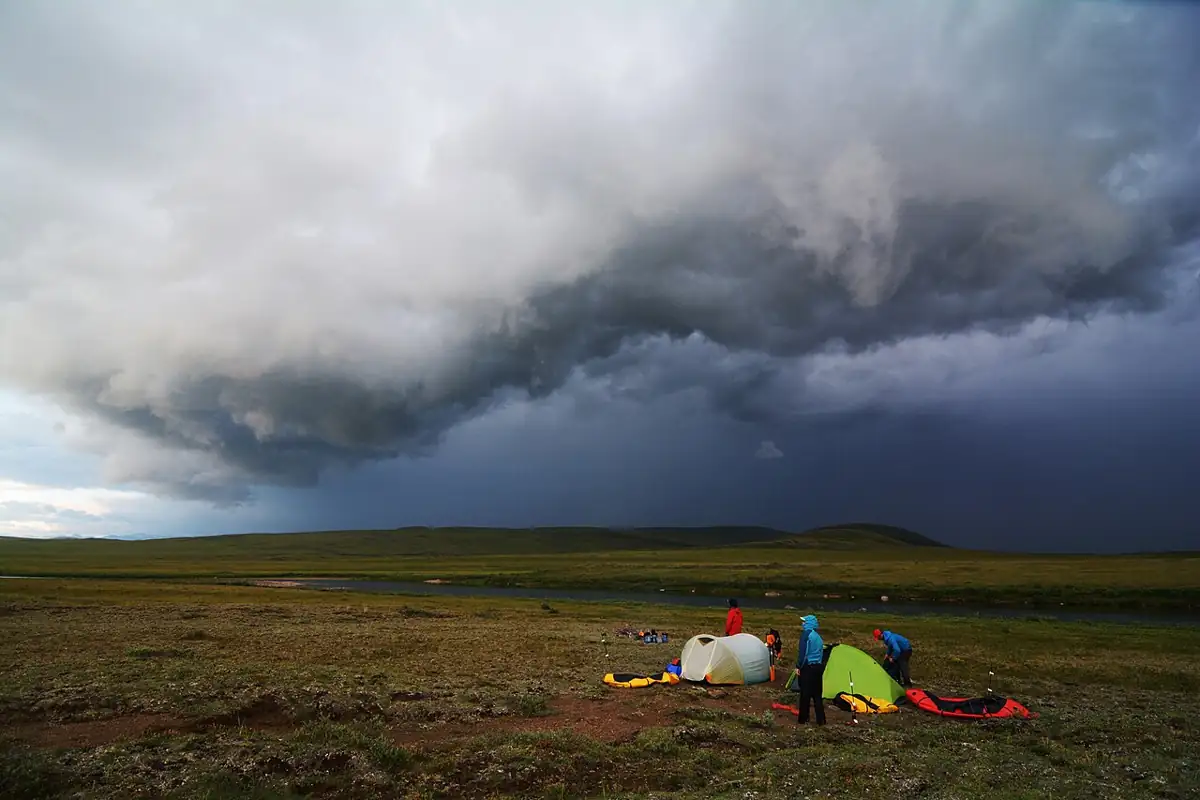
Further afield gathers trips across the West and the North: the Rogue in Oregon, the Rio Grande in Big Bend, the Snake in Grand Teton, wilderness rivers in Montana and Alaska, and the Nahanni in Canada.
A quick comparison
| Trip | Region | Usual days | Typical difficulty | Usual season | Permit |
|---|---|---|---|---|---|
| Foxton run | Colorado | Half day | Class II-III | Late spring to early fall | None |
| Upper Colorado from Pumphouse | Colorado | 1 to 2 | Class II-III | Summer | No river permit; reserved BLM camps |
| Ruby-Horsethief | Colorado | 2 to 3 | Class I-II | Spring, fall | Overnight camping permit (BLM) |
| Browns Canyon | Colorado | 1 | Class III | Summer | No river permit; state park pass |
| Labyrinth Canyon | Utah | Several | Class I flatwater | Spring, fall | Free BLM self-issue |
| Desolation-Gray | Utah | About a week | Class II-III | Late spring to fall | BLM, lottery in peak season |
| Escalante River | Utah | Several | Class II, brushy | Brief spring melt | Backcountry permit for overnights |
| Grand Canyon | Arizona | Two weeks or more | Class III-IV big water, expert | Year-round | NPS weighted lottery |
| Rogue River | Oregon | 3 to 4 | Class III; Rainie Falls (V) usually bypassed | Summer, fall | Required in the controlled season |
Fees, dates and rules change. Always confirm current requirements with the managing agency before you go.
Choosing by time available
With an evening or half a day, the Front Range and other roadside runs make sense, because the shuttle is short and you can stop when you want. A weekend fits a single canyon day like Browns or an easy overnight such as Pumphouse to State Bridge or Ruby-Horsethief. A long weekend or a week opens up the desert classics in Utah, where the miles are easy but the shuttles are long. The Grand Canyon needs two weeks or more, plus a lottery win.
How permit systems work
Western river permits fall into a few broad types, and the type sets how far ahead you need to plan.
| Permit type | How it works | Plan ahead by | Examples in these notes |
|---|---|---|---|
| None | Launch when you like; follow site and land rules | Days | Foxton run, Browns Canyon (parking pass only) |
| Campsite reservation | Book designated camps on Recreation.gov | Weeks to two months | Ruby-Horsethief, Pumphouse and Radium campgrounds |
| Self-issue or free registration | Fill in a form at the trailhead or online | Days | Labyrinth Canyon |
| Lottery | Apply in a set window, then wait for results | Months | Desolation-Gray in peak season, Grand Canyon |
Each trip page names the managing agency and links to the official source where it helps. Agencies change booking windows, fees and group limits, so read the current page before you apply.
A skill ladder
If you are building up to bigger trips, a sensible order is flatwater first, then short rapids with easy recovery, then longer whitewater and finally remote multi-day trips where help is far away. In this guide that might mean an overnight on Ruby-Horsethief or Labyrinth Canyon, then the Pumphouse run, then Foxton and Browns, and only then a long wilderness river. A course with a qualified instructor gets you there sooner; the page on packraft courses explains what to look for.
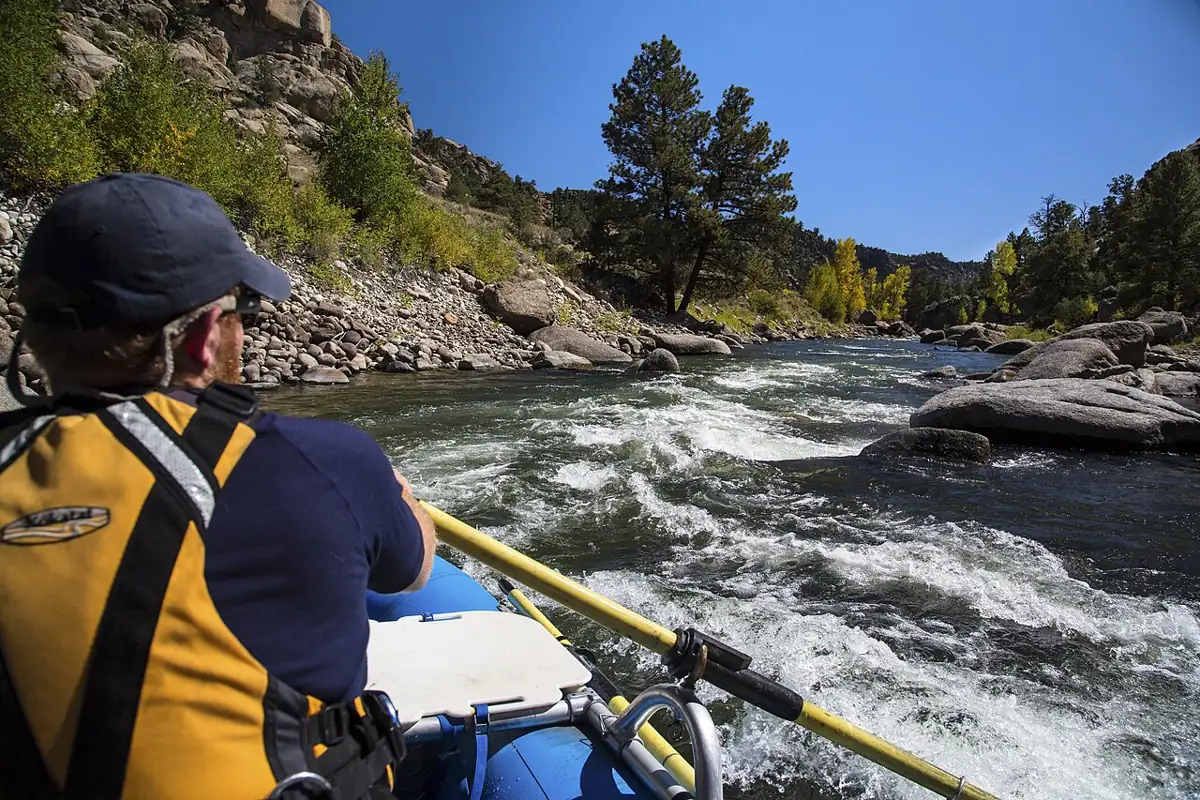
Packrafting in Colorado
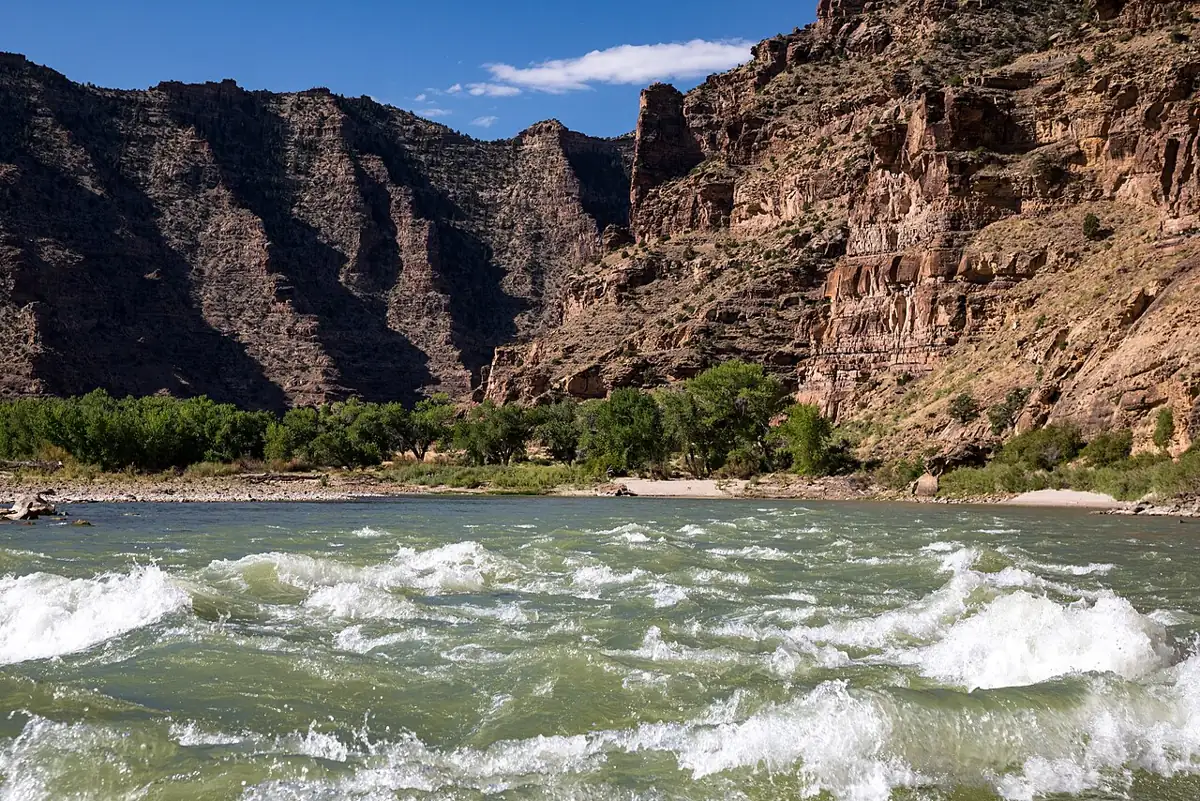
Four Colorado river trips for packrafters, from a Class III run near Denver to a two-day desert float on the Colorado.
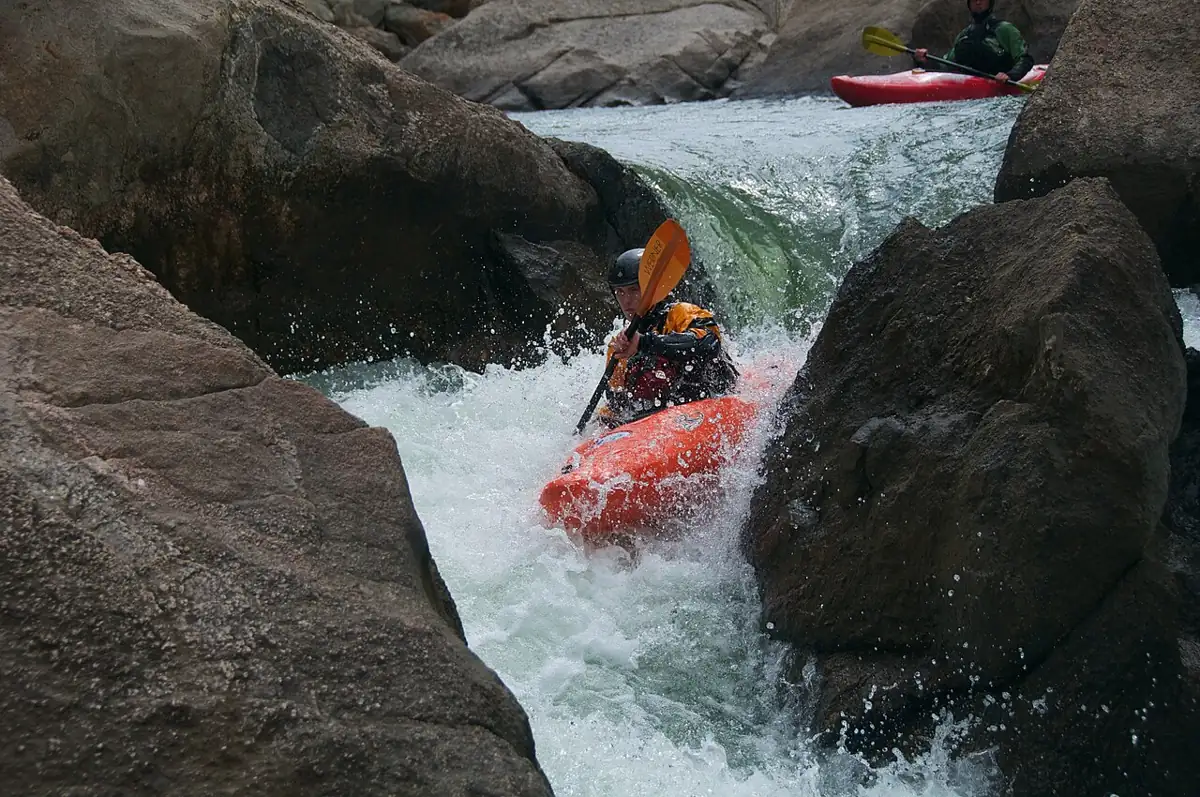
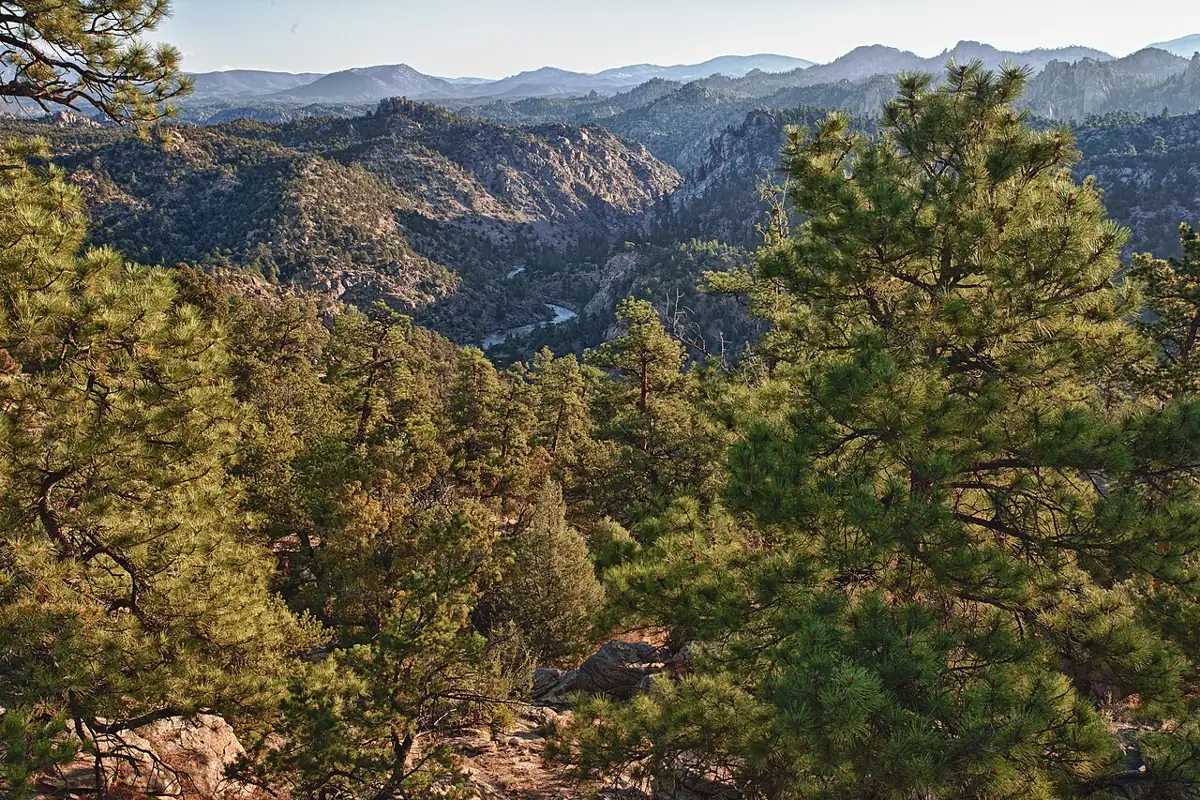
Packrafting in Utah
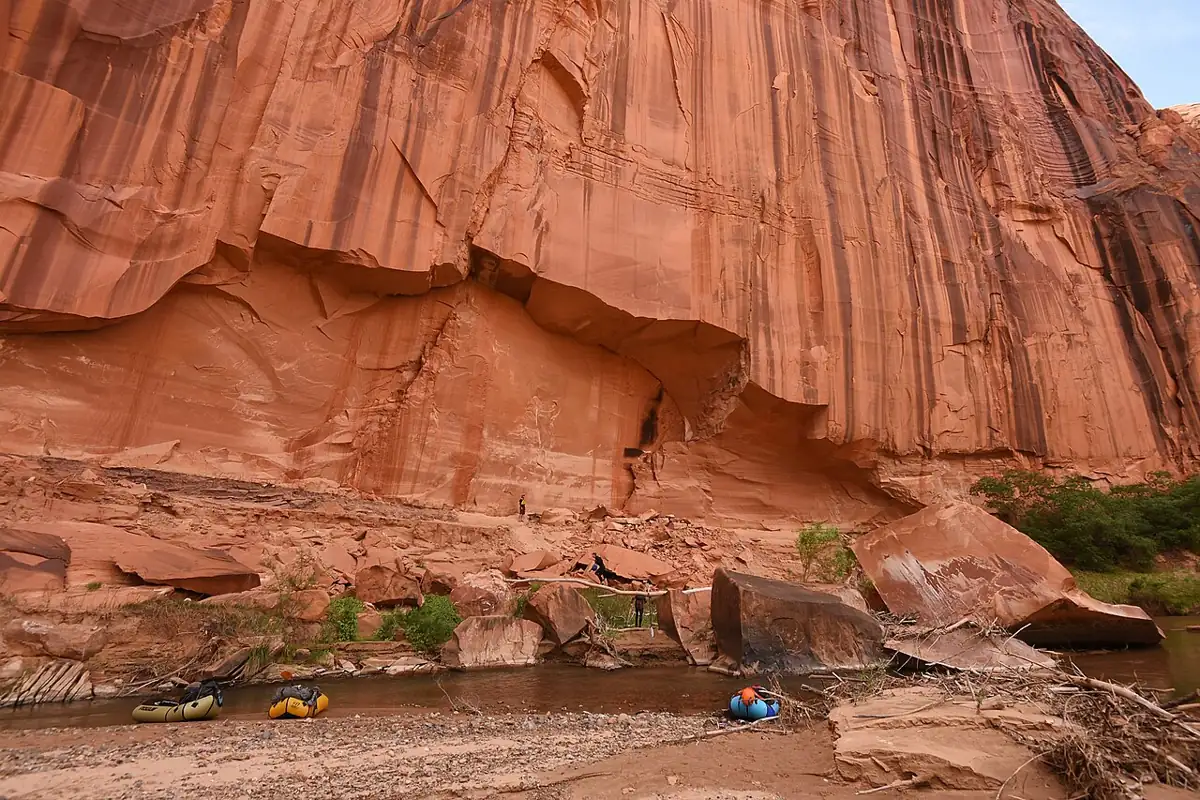
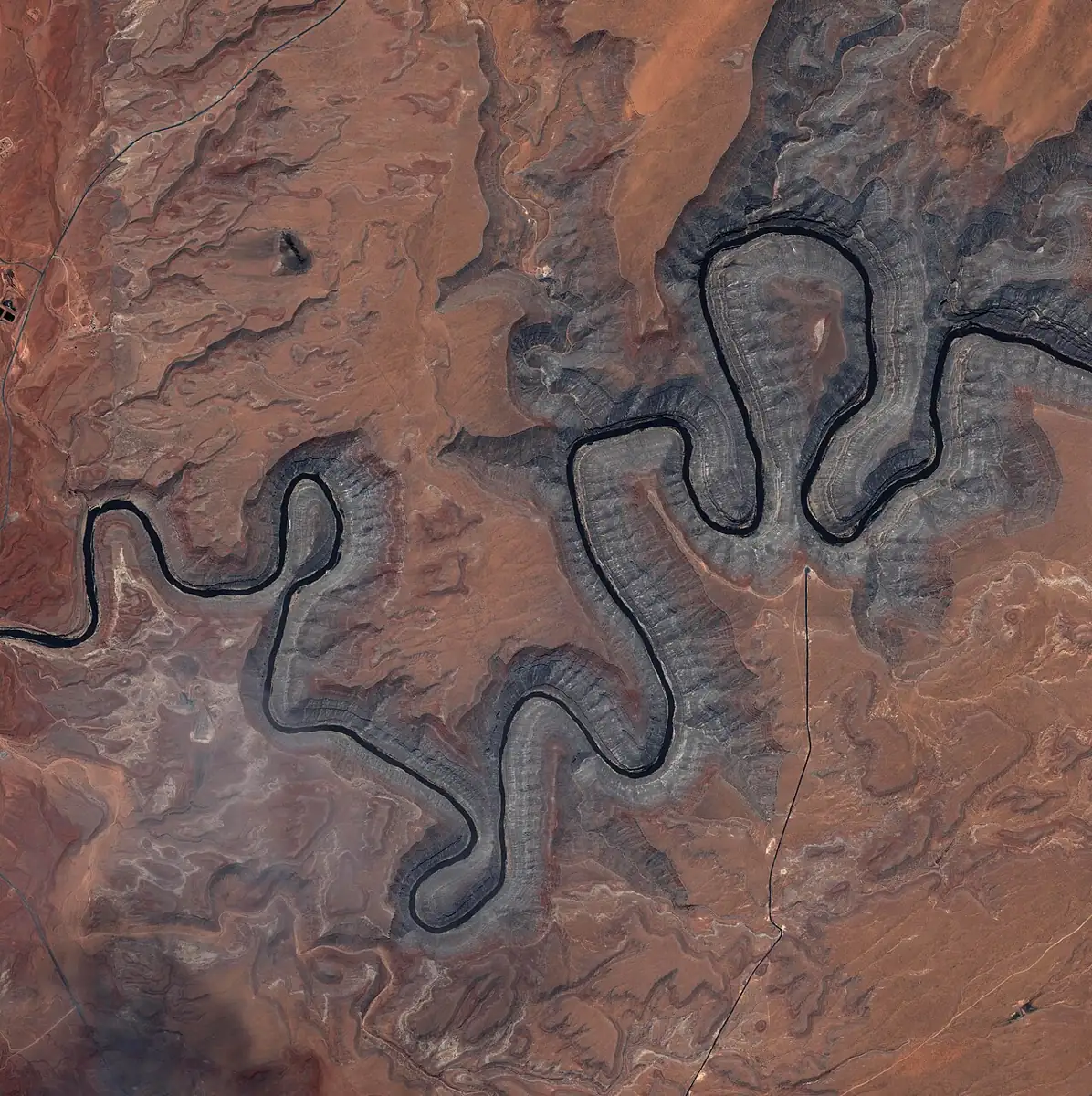
Desert canyon rivers of southern and eastern Utah, from the flatwater of Labyrinth Canyon to the brief spring float on the Escalante.
Packrafting in Arizona
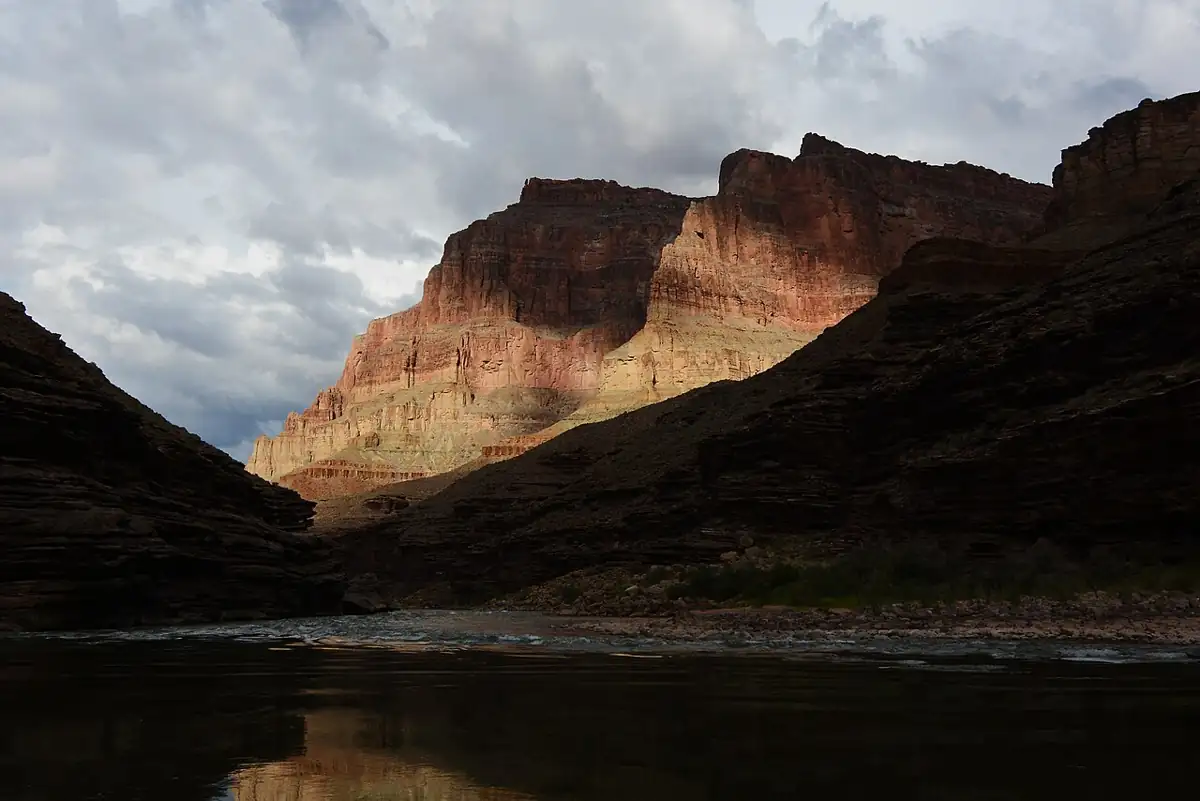
Three Arizona waters for packrafters, from big-canyon permit trips to an easy desert float near Phoenix, compared side by side.
Further afield
Six destinations outside the Southwest, from a lottery river in Oregon to fly-in wilderness in Alaska and northern Canada.
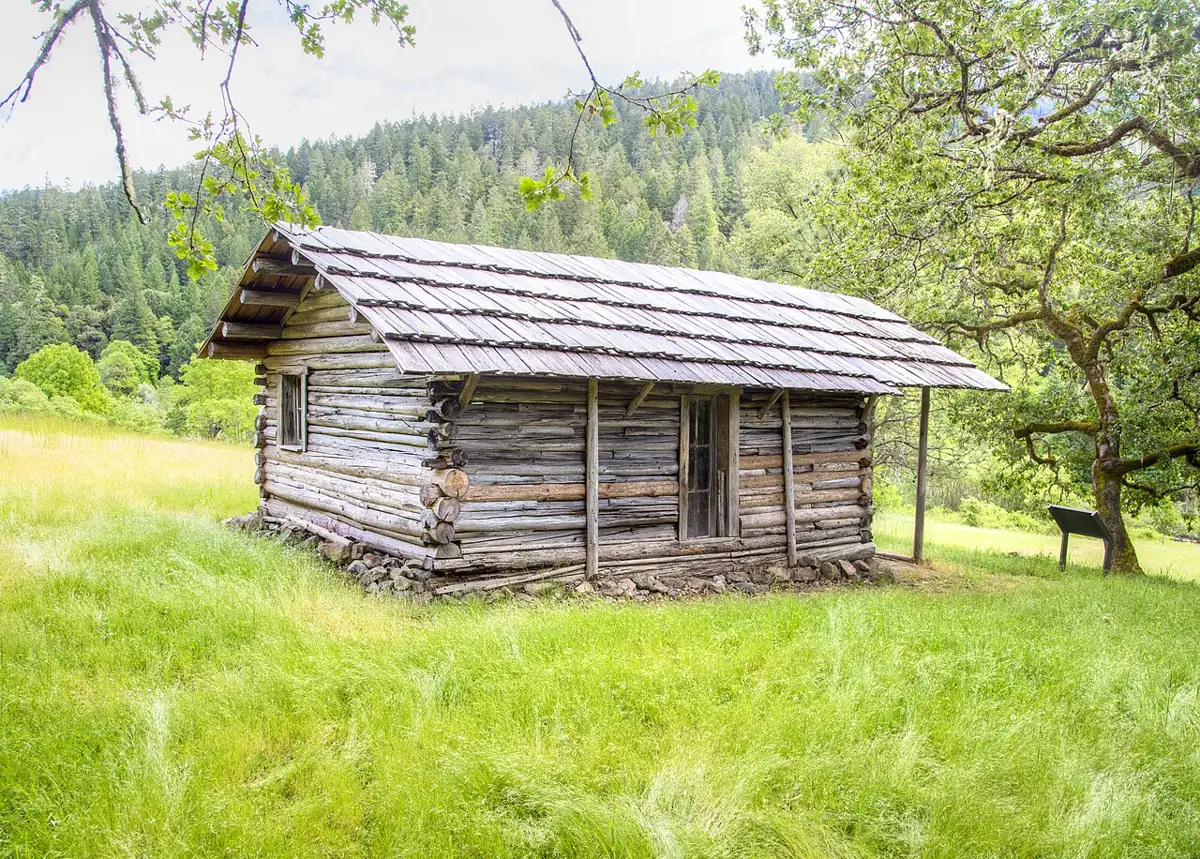
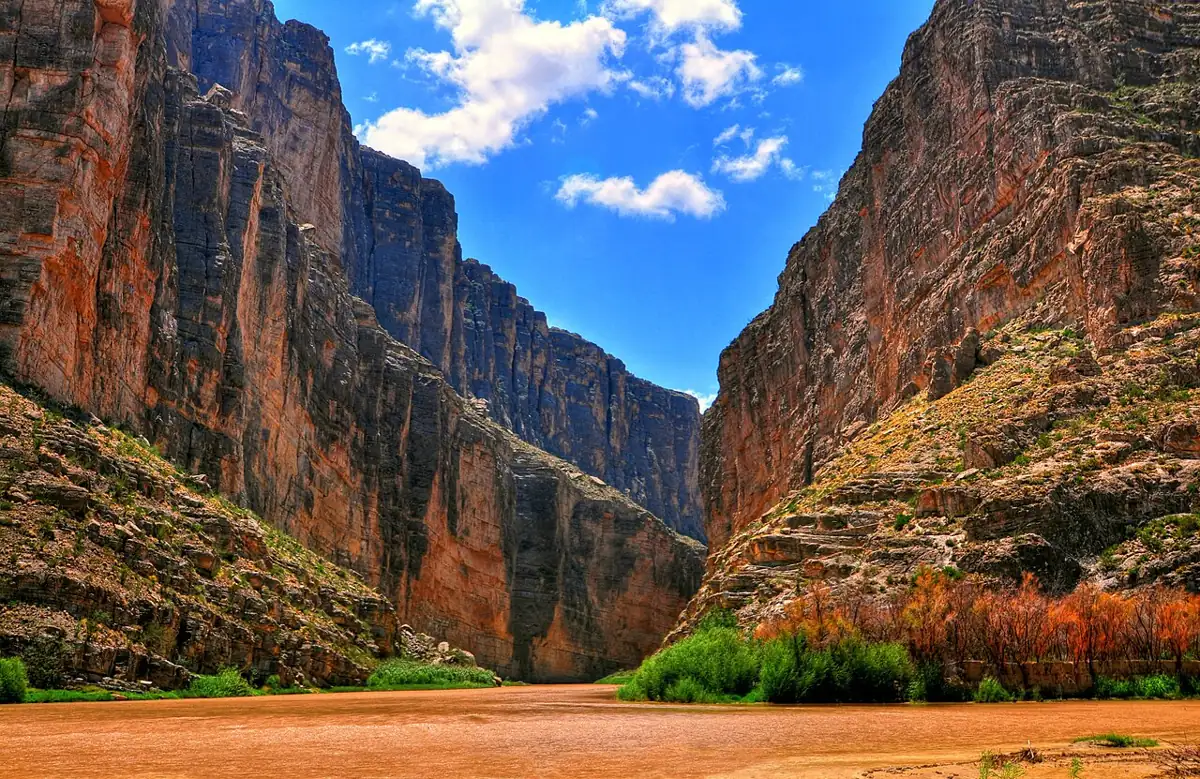
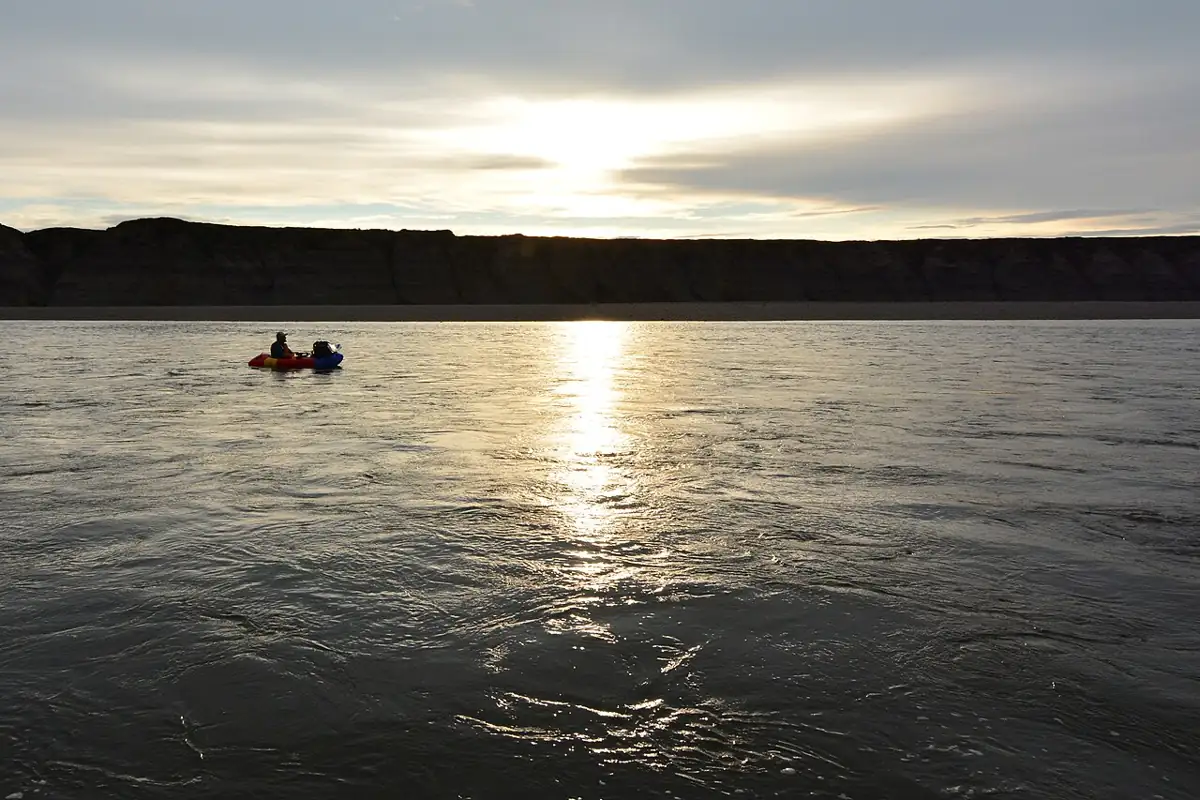
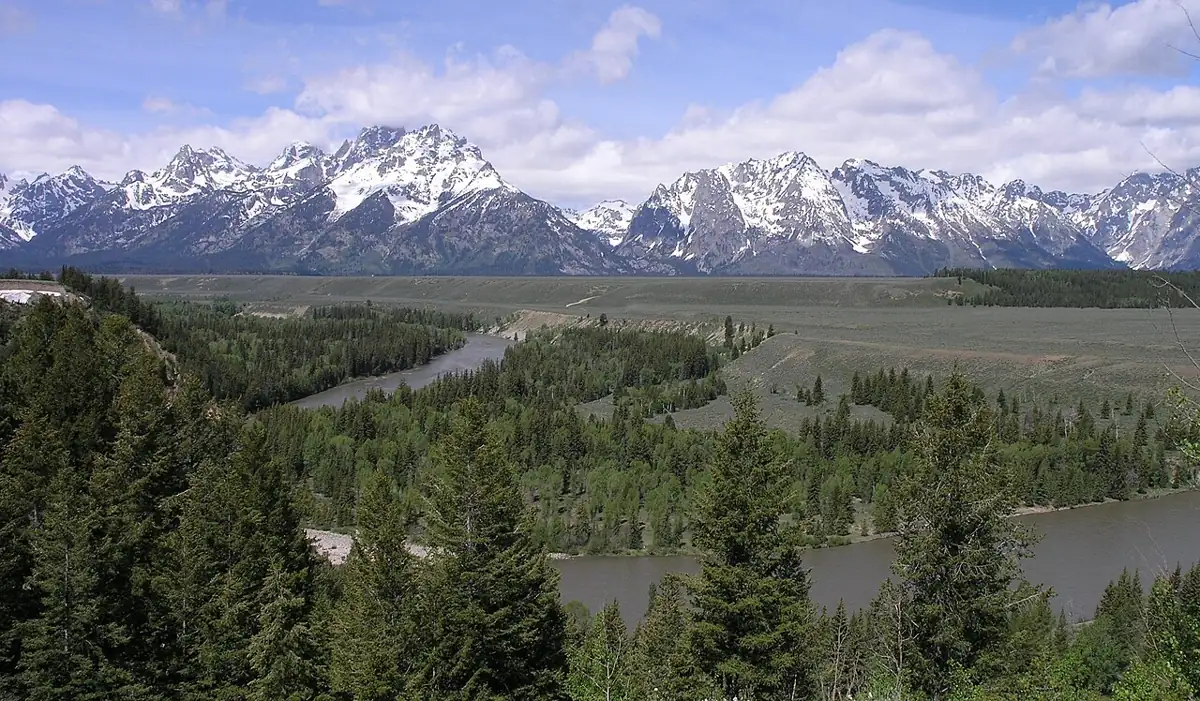
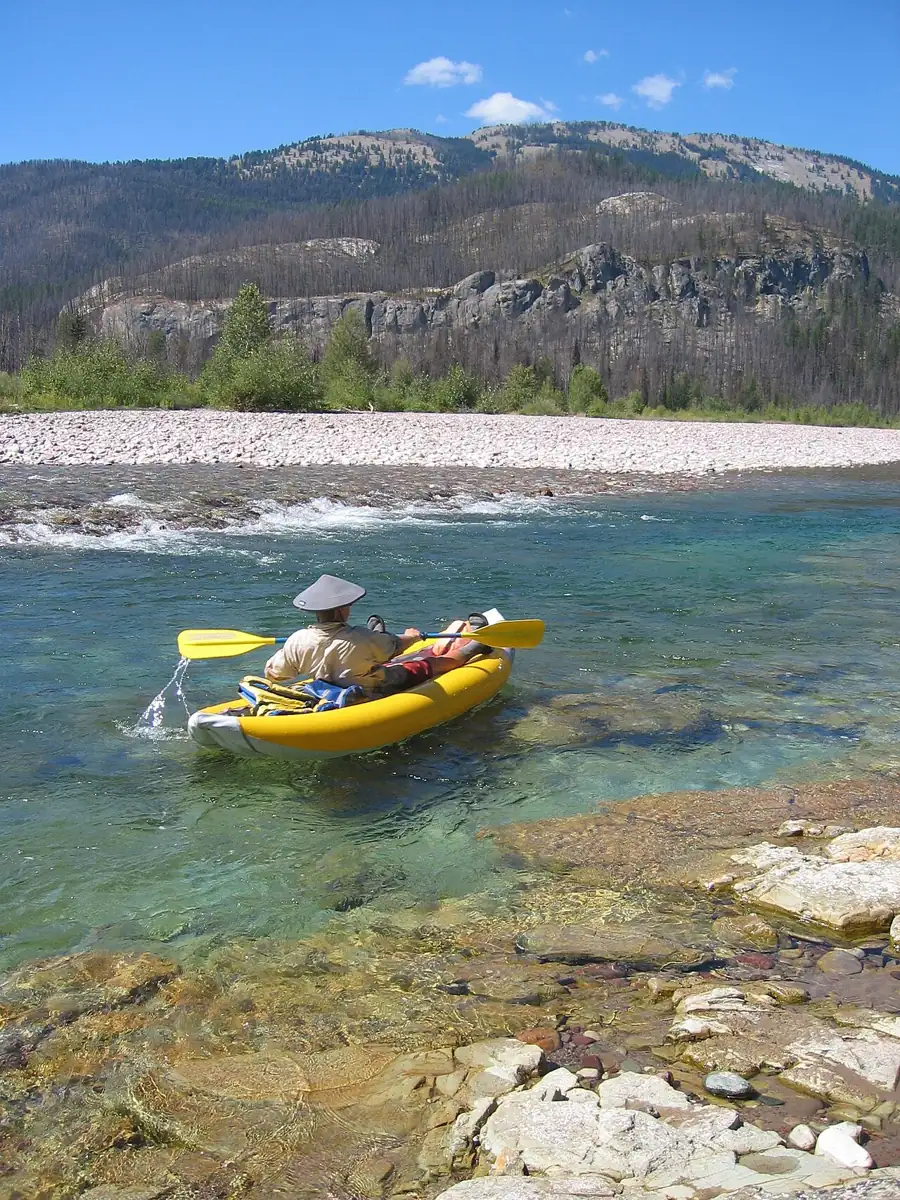
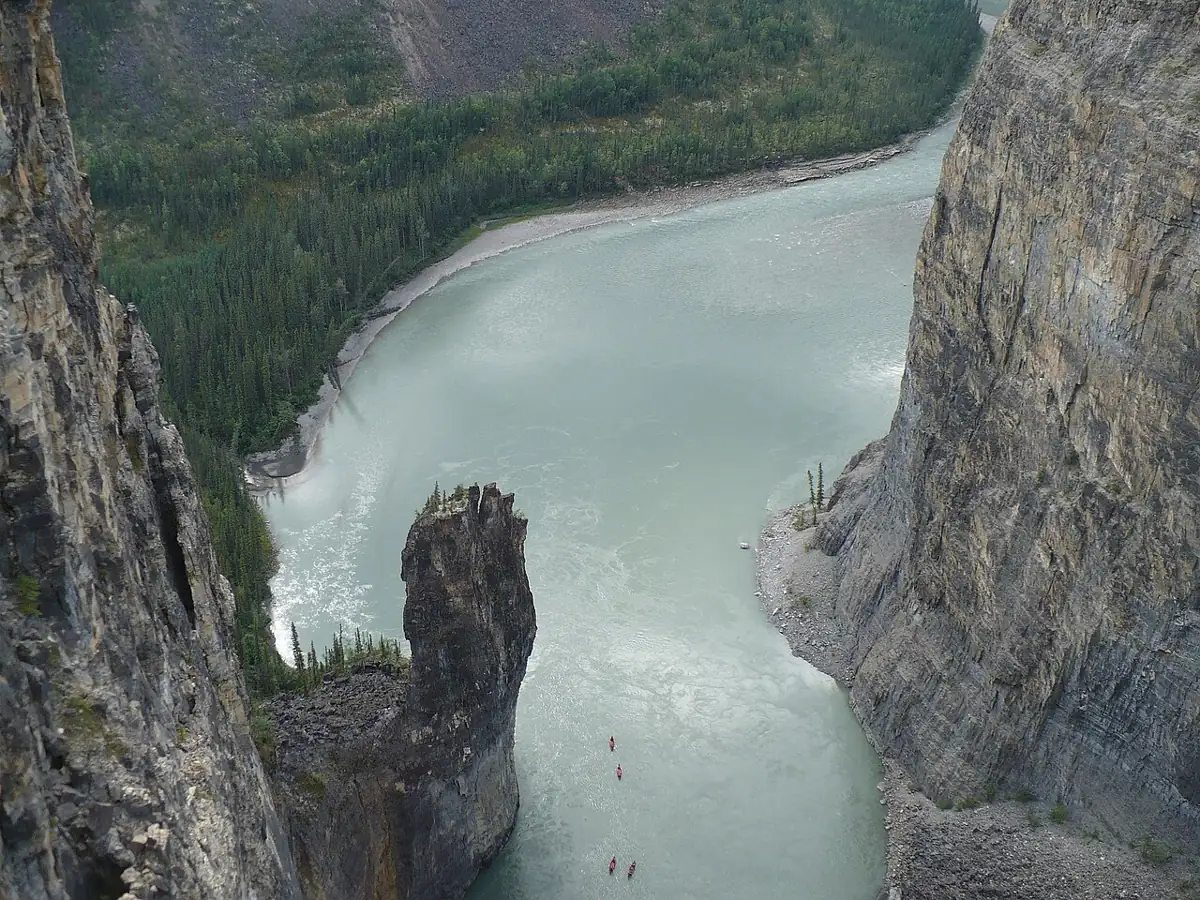
Pictures from several of these rivers, including Alaska, the Utah canyons and the Grand Canyon, are on the river photo notes page.