Trips · Colorado
Packrafting in Colorado
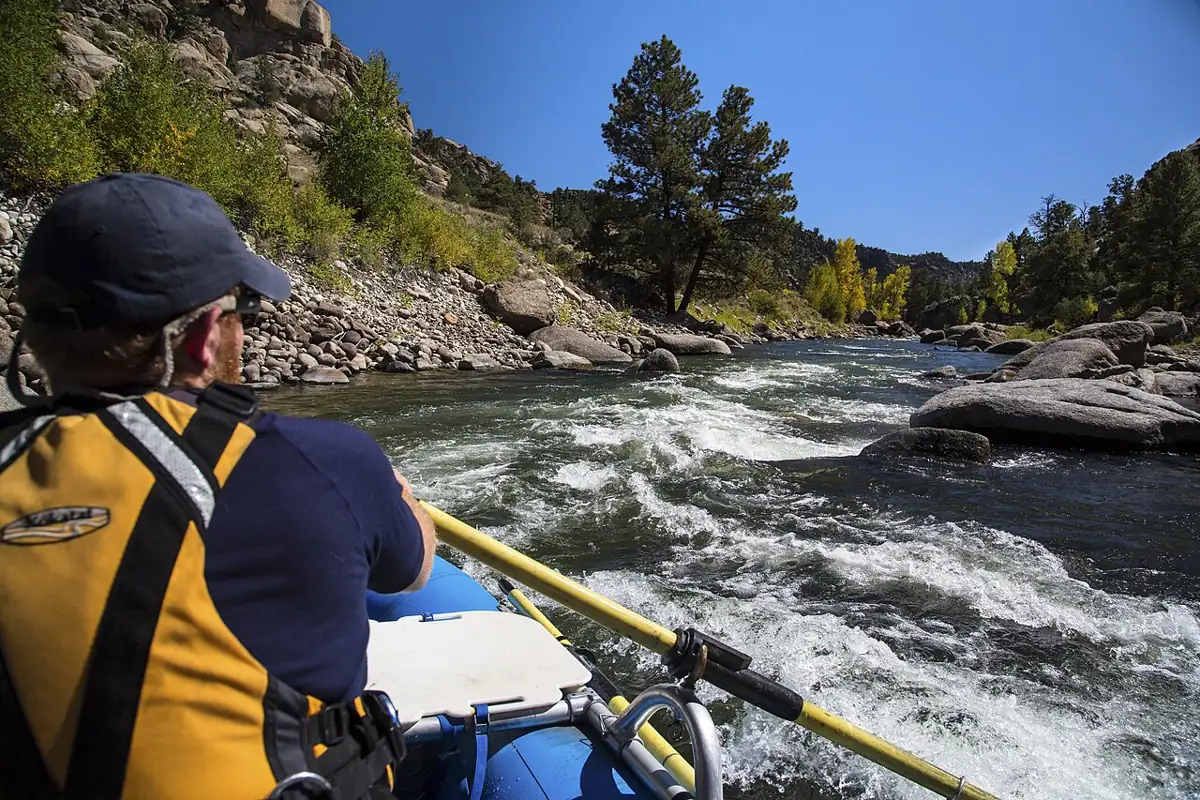
Colorado packrafting runs on snowmelt. The trips here cover a roadside creek near Denver, the state's busiest Class III canyon, a high-country overnight and a red-rock float at the Utah line.
Colorado suits packrafting well. Most rivers sit close to roads and trailheads, and many carry water all summer thanks to reservoir releases and transmountain diversions. Within a few hours' drive you can go from granite creeks on the Front Range to the canyons of the Arkansas, or out to the slickrock along the Utah border.
The four trips below cover that range. Each page lists the section, rough mileage, typical difficulty, season and managing agency, and says whether you need a permit. Flows, fees and rules change from year to year, so check with the agency and the gauge before you go.
Which Colorado trip fits
| Trip | Type | Difficulty | Time | Permit |
|---|---|---|---|---|
| Foxton run, North Fork South Platte | Roadside day run | Class II-III | Half day | No |
| Browns Canyon, Arkansas | Canyon day run | Class III | Full day | No river permit; CPW parks pass to park |
| Upper Colorado from Pumphouse | Day or overnight | Class II-III | 1 to 2 days | No; BLM site fees, reserved campsites |
| Ruby-Horsethief Canyon | Desert overnight | Class I-II | 2 to 3 days | Yes, for camping |
If you are new to moving water, start with Ruby-Horsethief or the lower part of the Pumphouse run, where the river forgives a missed eddy. The Foxton run near Denver is a good place to learn Class III moves in small doses, with the road beside you the whole way. Browns Canyon is the step after that: longer rapids, more consequence, and a lot of commercial traffic you need to share the river with.
Season, gauge and agency at a glance
| Trip | Best months | Gauge to watch | Who manages it |
|---|---|---|---|
| Foxton run | Late spring to early fall, flow dependent | North Fork South Platte at Bailey; USGS 06706000 at Grant | Mostly private banks; Pike National Forest and Denver Water near the confluence |
| Browns Canyon | July to September | Arkansas River near Nathrop, USGS 07091200 | CPW's Arkansas Headwaters Recreation Area on the river; BLM and USFS for the monument |
| Pumphouse | July to September | Colorado River near Kremmling, USGS 09058000 | BLM Kremmling and Colorado River Valley field offices |
| Ruby-Horsethief | April to June, September to October | Colorado River near Colorado-Utah state line, USGS 09163500 | BLM, McInnis Canyons NCA |
How to choose between them
Four questions settle most choices.
- How much whitewater can your weakest paddler handle? If anyone in the group has not swum a rapid and climbed back in, pick Ruby-Horsethief or Radium to State Bridge.
- How many days do you have? A free evening points to Foxton. A Saturday fits Browns or Pumphouse to Radium. A long weekend opens up Ruby-Horsethief or an overnight from Pumphouse.
- Can you plan ahead? Ruby-Horsethief camps open two months out and the Pumphouse and Radium campgrounds need reservations, while Foxton and Browns need no advance booking at all.
- What month is it? In June, the snowmelt rivers run big and cold. Late summer favors the dam-fed runs, and spring and fall favor the desert.
A natural progression
Many Colorado packrafters build skills in roughly this order. A first overnight on Ruby-Horsethief teaches packing, camp routine and long flatwater days. Pumphouse to Radium adds short Class II-III rapids with recovery water below. Foxton sharpens rock-garden technique with the road close by. Browns Canyon puts it together on a busier, longer run. Each trip adds one new demand, so you meet a weakness in your skills on easy water before it matters on harder water.
When to go
Most Colorado rivers peak between late May and late June. The water is high, cold and fast then, which makes it a poor time for a first packraft trip. July through early September brings warmer water and steadier flows on the dam-fed rivers, along with afternoon thunderstorms in the mountains. Spring and fall are the comfortable seasons on the desert reach of the Colorado below Grand Junction.
Before any trip, look up the relevant USGS gauge and compare it to recent reports. The guide to river flows and gauges explains how. If you are unsure how a rating like Class III translates to a small inflatable, read the page on river difficulty classes first.
Permits and passes in Colorado
None of these four trips uses a lottery, which makes Colorado much lighter on paperwork than the big Utah and Arizona rivers. Ruby-Horsethief needs a BLM camping permit for any overnight, booked on Recreation.gov. The Pumphouse and Radium campgrounds on the Upper Colorado are reservation-only, and BLM day-use fees apply at its river sites. Browns Canyon has no private river permit at present, but you need a Colorado Parks and Wildlife parks pass to park at the main access sites. Foxton needs no permit, though much of its bank is private land. Colorado boating law also requires a properly sized life jacket for everyone on board, and on any of these runs you should be wearing it.
Gear for Colorado rivers
Mountain snowmelt is cold well into summer, even when the air is hot. For June trips or any run with real rapids, plan for immersion with a drysuit or a solid cold-water layering system. Add a helmet for Foxton, Browns and Little Gore Canyon. Desert trips need sun protection, a fire pan and a plan for human waste.
Beyond these four
The state has plenty more packraft water: the Gunnison Gorge below the Black Canyon, the Dolores in a good snow year, and countless lakes and creeks you can reach on foot. When you are ready to cross the border, the Utah trip notes pick up with Labyrinth Canyon and the Green River, and the main Trips section compares routes across the whole Southwest. For gear, the packing list is a sensible starting point for any of these.
 01
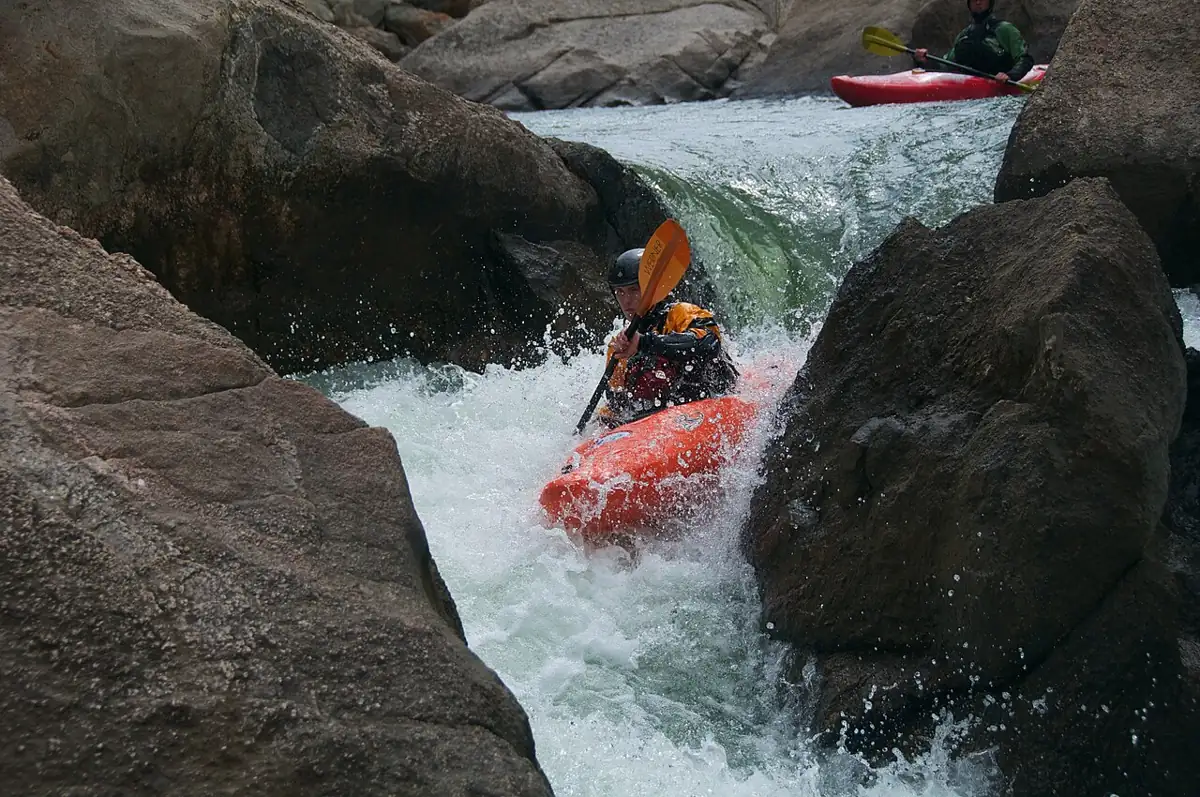
The Foxton run on the North Fork of the South Platte
A roadside Class II-III day run southwest of Denver on the North Fork of the South Platte, with easy scouting and a reliable summer flow.
 02
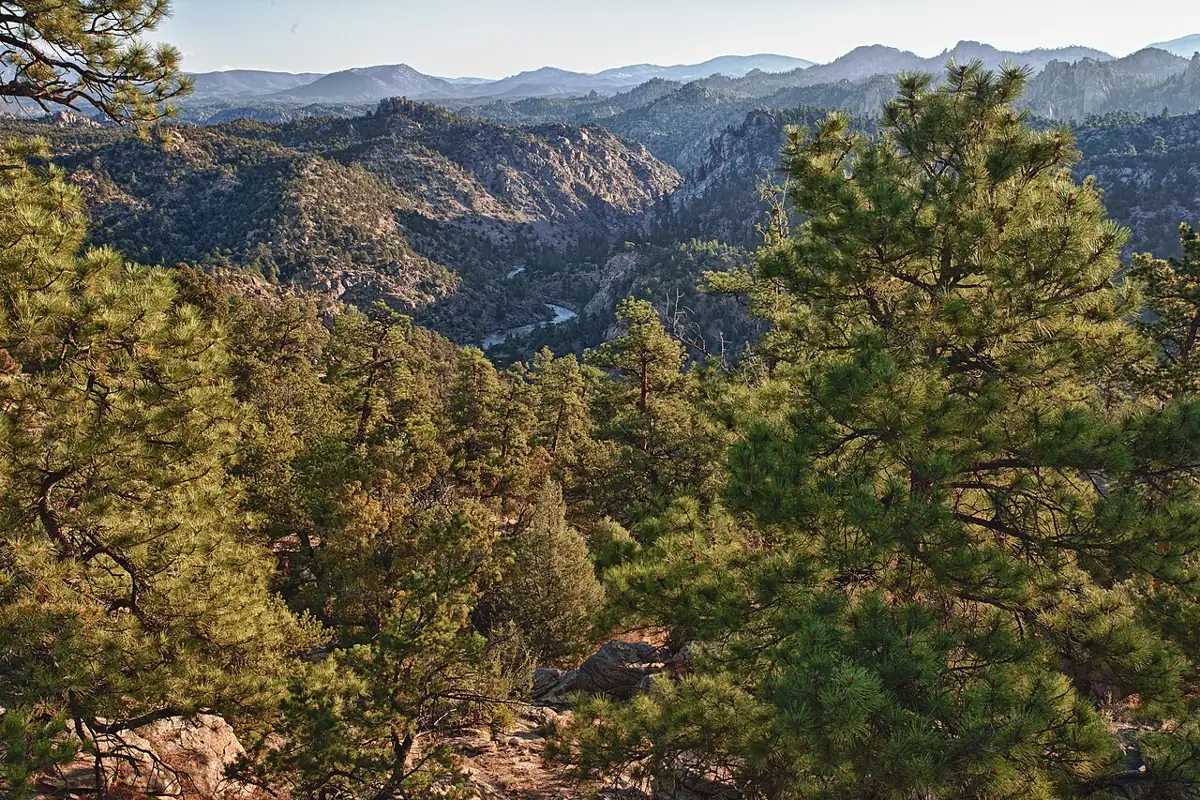
Packrafting Browns Canyon on the Arkansas
Colorado's busiest Class III canyon, run in a day from Ruby Mountain to Hecla Junction, with granite rapids and plenty of company.
 03
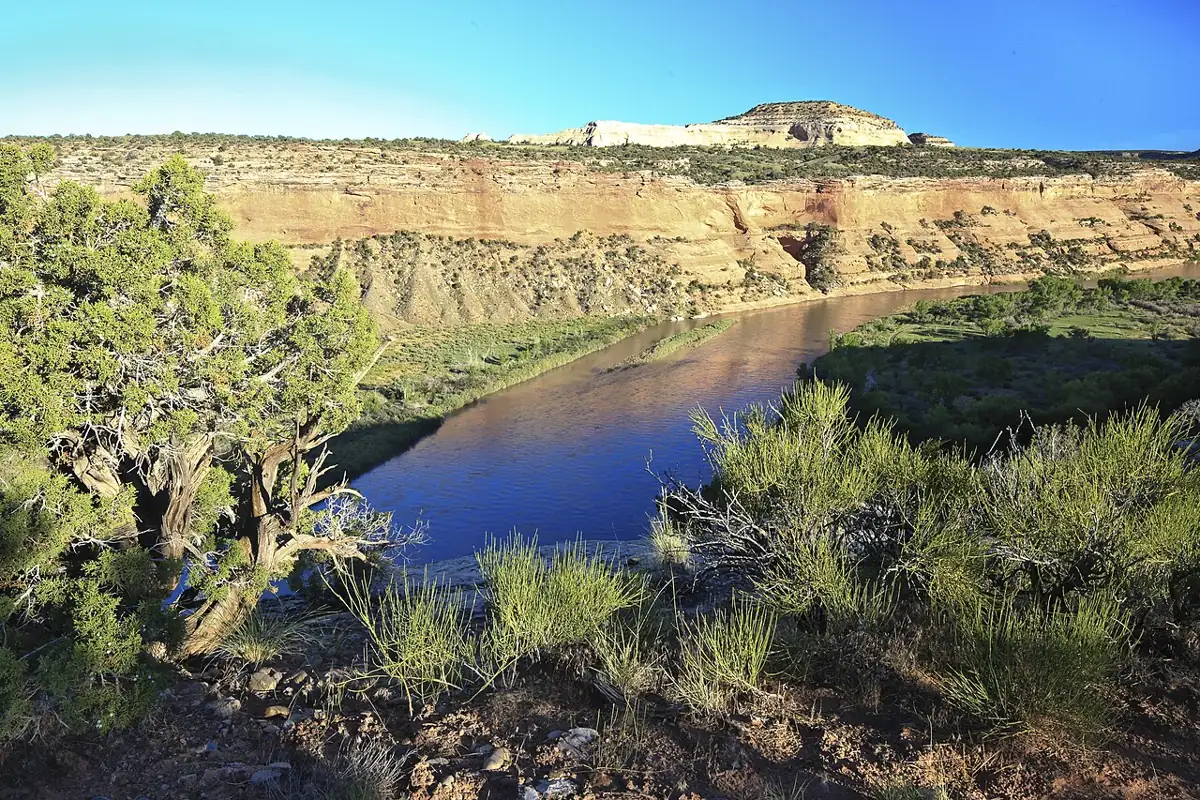
Ruby-Horsethief Canyon on the Colorado River
A gentle 25-mile Colorado River float from Loma, Colorado, to Westwater, Utah, with designated camps and a BLM permit for overnights.
 04
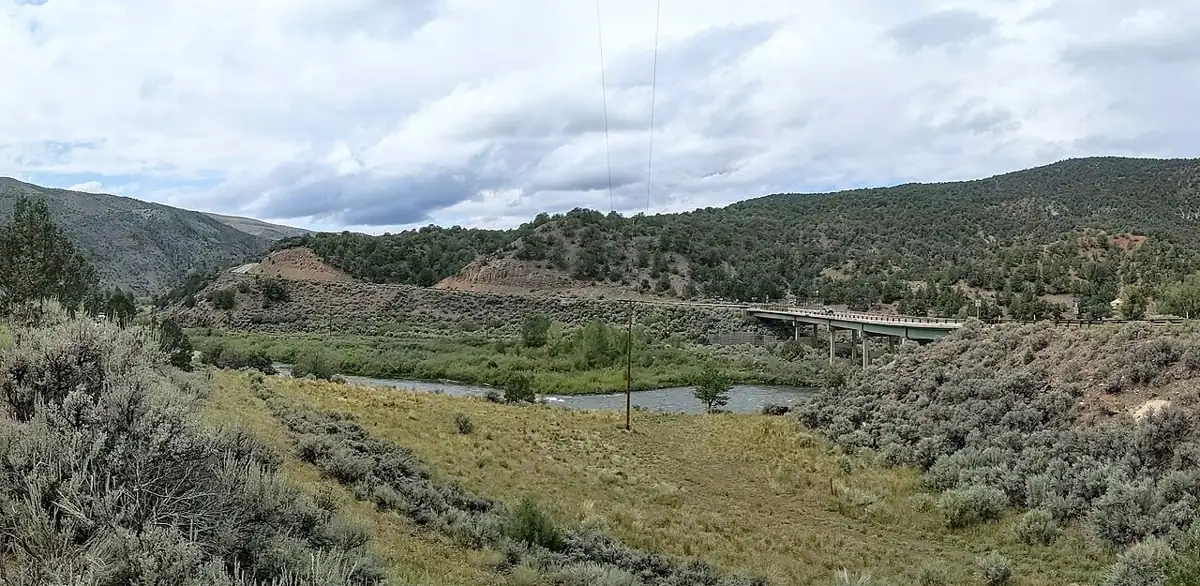
The Upper Colorado from Pumphouse to State Bridge
A summer-long Class II-III run below Gore Canyon with BLM camps, a riverside hot spring and an easy overnight option to State Bridge.