Trips · Utah
Packrafting in Utah
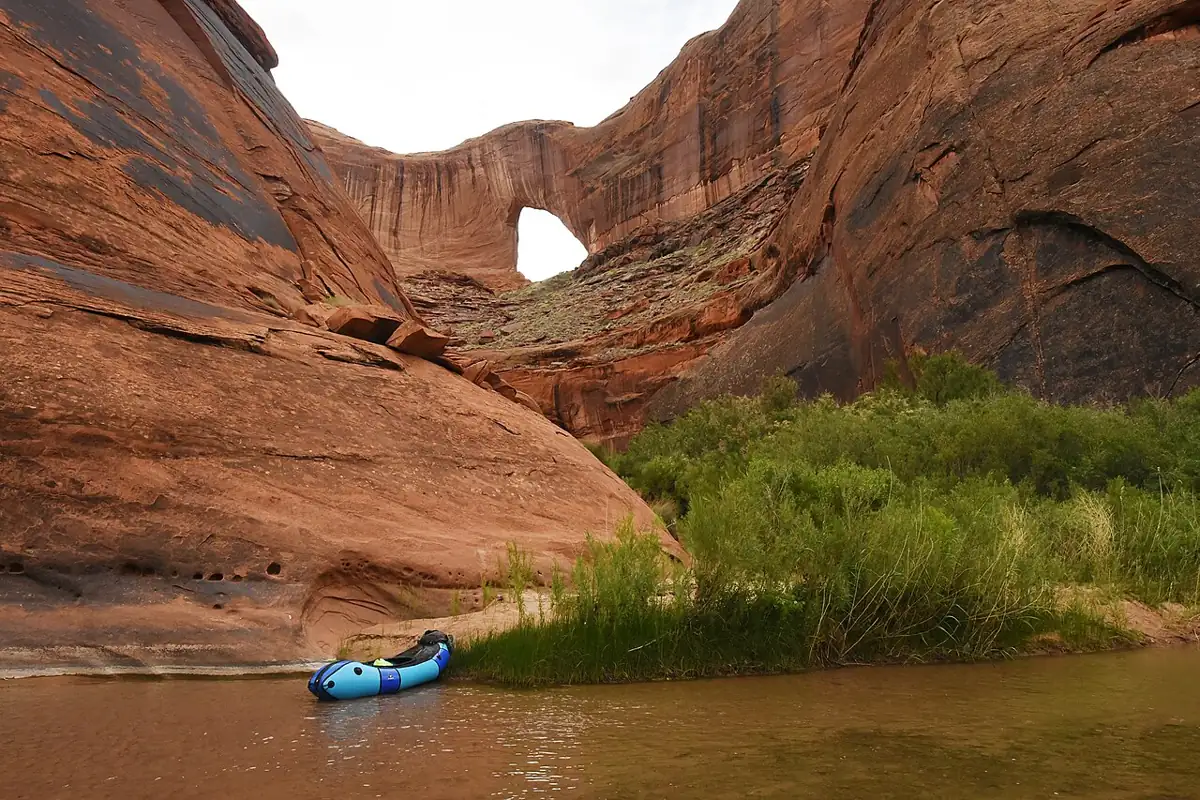
Utah's canyon rivers are where a packraft makes the most sense: long approaches, low water and walls that rule out anything bigger than a backpack. Most trips here run several days and need a permit.
Southern and eastern Utah hold some of the most remote river canyons in the lower 48. The big rivers, the Green, the Colorado and the San Juan, flow through sandstone gorges that are hundreds of feet deep, and a network of smaller drainages such as the Escalante feeds them only when snowmelt or storms allow. A packraft fits this country well. You can carry it down a trail, float the stretch that has water, and walk out a side canyon when the river runs out or the take-out is a day's hike away.
The trips in this section are multi-day by nature, and almost all of them sit on land managed by the Bureau of Land Management or the National Park Service. That brings permits, required gear and rules about camping and waste.
The trips
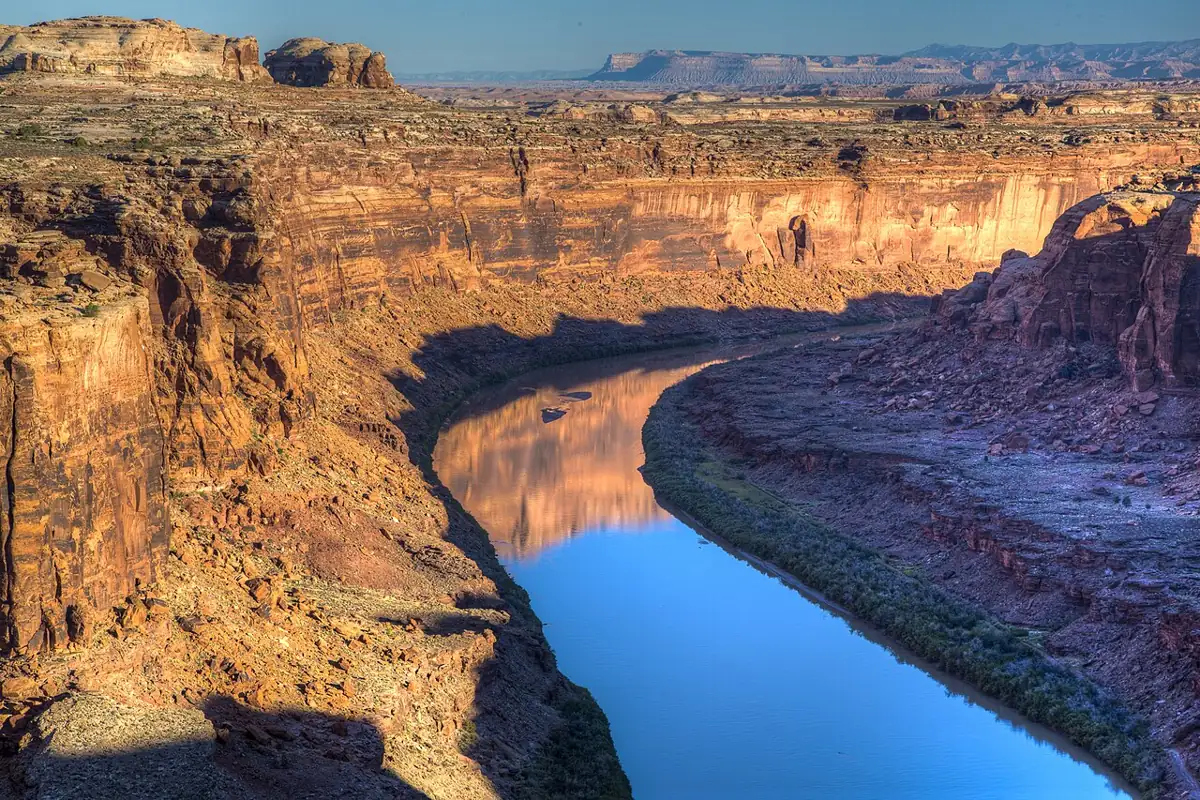
Labyrinth Canyon on the Green River is the gentlest of the four: about 45 to 68 miles of flatwater depending on where you launch, with a free BLM permit and no lottery. It is the obvious first desert trip.
Desolation and Gray Canyons, upstream on the same river, is about 84 miles with dozens of Class II-III rapids and a lottery for peak-season permits.
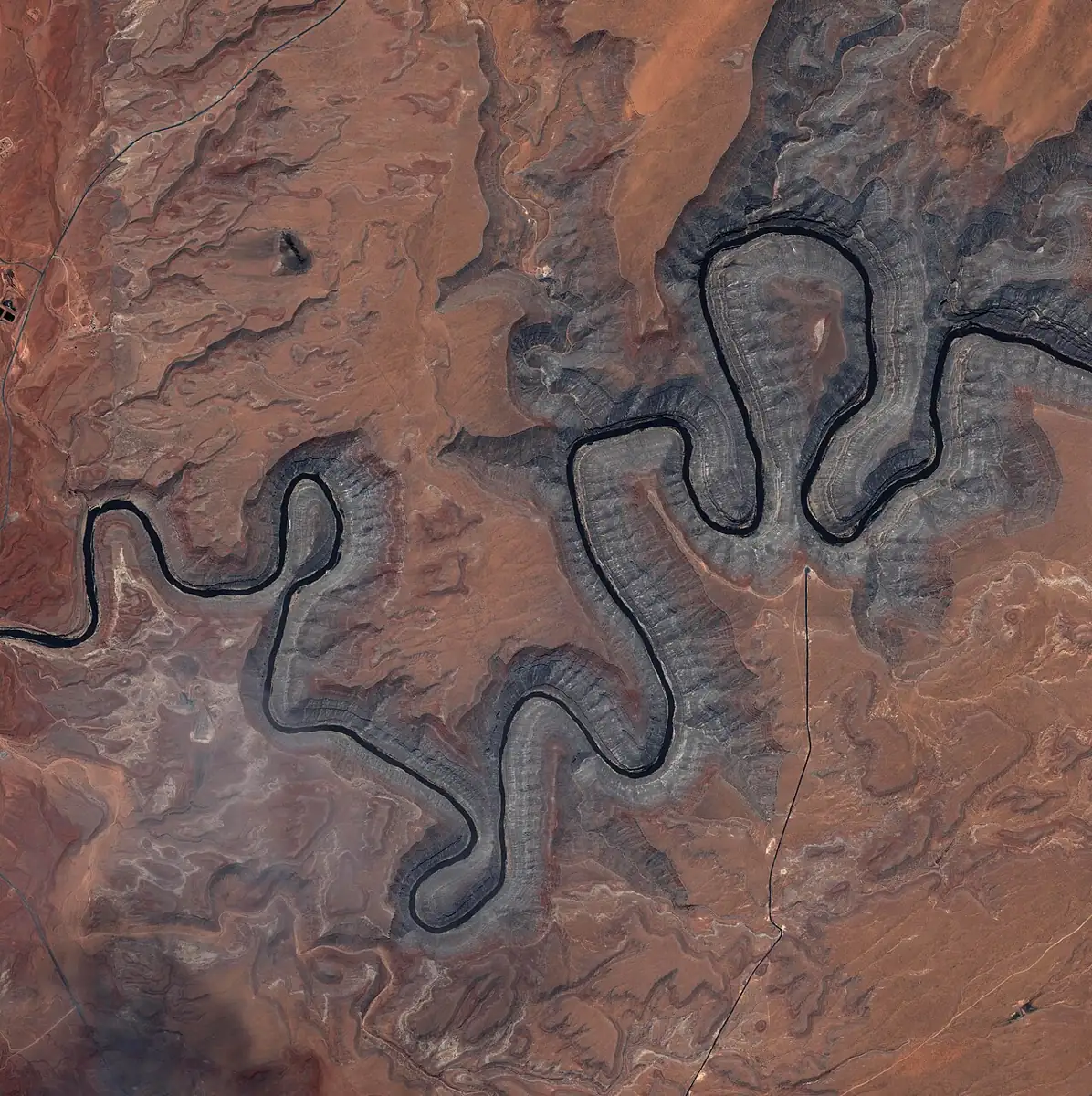
The San Juan River near Bluff runs on dam releases, so it floats for much of the year. Its rapids are mostly Class II, and rock art and cliff dwellings sit within a short walk of many camps on the upper section.
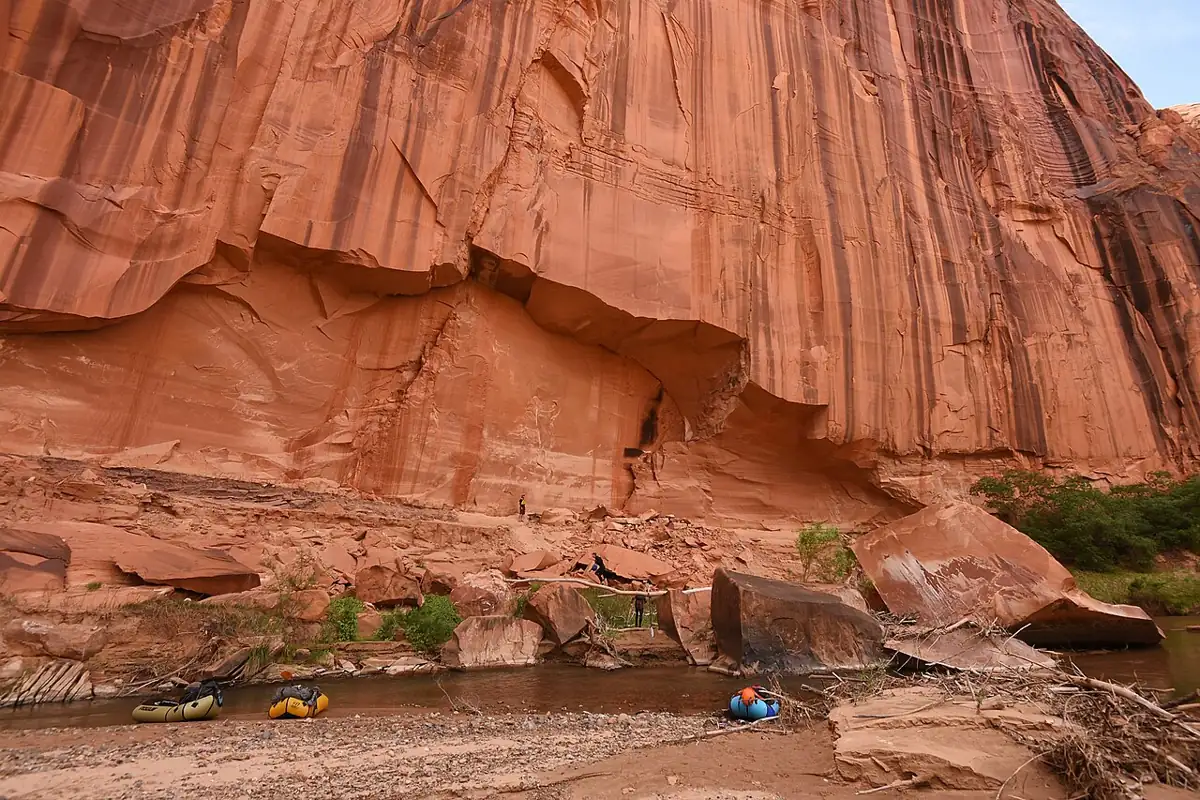
The Escalante River floats only during a short spring melt and involves a lot of dragging and walking. Few boats of any kind get down it.
Utah trips compared
| Labyrinth Canyon | San Juan | Desolation-Gray | Escalante | |
|---|---|---|---|---|
| River | Green | San Juan | Green | Escalante |
| Typical section | Ruby Ranch or Green River to Mineral Bottom | Sand Island to Mexican Hat or Clay Hills | Sand Wash to Swasey's | Highway 12 to Coyote Gulch |
| Miles | about 45 to 68 | about 27 or 84 | about 84 | about 76 plus hike out |
| Difficulty | Class I flatwater | Class II, Government Rapid harder | Class II-III, many rapids | Class II, boulder jams, wood |
| Typical days | 2 to 5 | 2 to 7 | 5 to 8 | 6 or more |
| Agency | BLM Moab | BLM Monticello | BLM Price | NPS and BLM |
| Permit | Free, no lottery | Lottery for April 15 to July 15 | Lottery for May to September | Free overnight permit |
| Flow source | Snowmelt, Flaming Gorge Dam | Navajo Dam | Snowmelt, Flaming Gorge Dam | Snowmelt only |
| Best window | Spring and fall | Spring and fall | Late May to September | A few weeks in spring |
| Dogs | Check stipulations | Prohibited | Prohibited | Leashed; not in Coyote Gulch |
Choosing your first Utah trip
Match the river to your skills first, then to the permit calendar.
- If you have only paddled flatwater or easy day trips, start with Labyrinth Canyon. The permit is a form you email, and the hardest parts are the wind and the dirt road at the take-out.
- If you can run Class II with a loaded boat, the upper San Juan from Sand Island to Mexican Hat is a two- or three-day trip with a short shuttle and easy rapids.
- If you have done a multi-day river trip and are comfortable in Class III water, Desolation-Gray is the next step: a week on the river with dozens of rapids.
- If you are a strong backpacker who also packrafts, and you can drop everything when the snowmelt arrives, the Escalante is the remote option.
For the two lottery rivers, the calendar is set months ahead. San Juan and Desolation-Gray applications open on December 1 and close at the end of January, so plan those trips in early winter. Labyrinth and the Escalante need no lottery, which makes them the easier trips to fit around work or a changing forecast.
What the Utah trips have in common
Do I need a permit?
For overnight trips on all four, yes. Labyrinth uses a free BLM form you email to the Moab office, Desolation-Gray and the San Juan use Recreation.gov with lotteries in peak season, and the Escalante needs a free backcountry permit from the interagency visitor center in Escalante or a trailhead.
Do I really have to carry a toilet in a packraft?
On the permitted river trips, yes. Labyrinth and the San Juan require a portable toilet system, and the San Juan accepts engineered waste bags kept in a hard-sided container. Desolation-Gray's printed stipulations call for a washable, reusable system, so check with the Price office. On the Escalante, solid waste goes out in waste bags inside Glen Canyon.
Do I need a fire pan?
On Labyrinth, the San Juan and Desolation-Gray, yes, even if you only cook on a stove. Fires are banned altogether in the Escalante corridor.
When is the best season?
April to early June and September to October on most rivers. Midsummer brings heat, insects and flash-flood risk. The Escalante has its own short window during spring melt.
Is wind a problem?
Often. Upstream afternoon wind is common on the Green and San Juan, and a loaded packraft is easily stopped by it. Paddle early and plan buffer days.
Can I bring my dog?
Rules differ by river and change over time. Dogs are prohibited on the San Juan between Sand Island and Clay Hills and on Desolation-Gray. Check the current permit stipulations before planning a trip with a dog.
Practice the river version of Leave No Trace everywhere in this country. Desert soils and cultural sites recover slowly, and many canyons hold rock art, granaries and historic inscriptions within a short walk of camp.
Gear that Utah trips add
Most desert river trips need more than a standard packrafting packing list. Plan for:
- a waste kit that matches the river's stipulations, and a metal fire pan where one is required
- a non-inflatable Type I, III or V life jacket, since Utah river permits do not accept inflatable PFDs
- extra water capacity and a way to settle silt before you filter
- a sun hoody, a shade hat and a light layer for cold canyon mornings
- a satellite messenger, because cell service is rare in these canyons
Planning a Utah trip
Start with the permit calendar, since lotteries and booking windows decide your dates more than the weather does. Then check the gauge history for your river and month; the flows and gauges guide explains how. The trip planning notes cover shuttles, food and group size in more detail. Book shuttles early: the drives between put-in and take-out run from an hour to most of a day, and only a few companies serve each river.
For trips across the border in Colorado, see the Colorado trip notes. The Arizona trips continue down the Colorado River to Lees Ferry and the Grand Canyon, and the Trips overview compares routes across all regions.
 01
Packrafting Labyrinth Canyon on the Green River
Utah's classic flatwater canyon float to Mineral Bottom, with worked 2-day and 5-day plans, permit steps, shuttle notes and wind tactics.
 02
Packrafting the Escalante River
A remote red-rock canyon that floats only in a short spring window, with a hard hike-out exit, a free overnight permit and strict waste rules.
 03
Packrafting the San Juan River
A dam-fed desert river near Bluff with two classic sections, Class II-III rapids, rock art and a BLM Monticello permit lottery on Recreation.gov.
 04
Desolation and Gray Canyons of the Green River
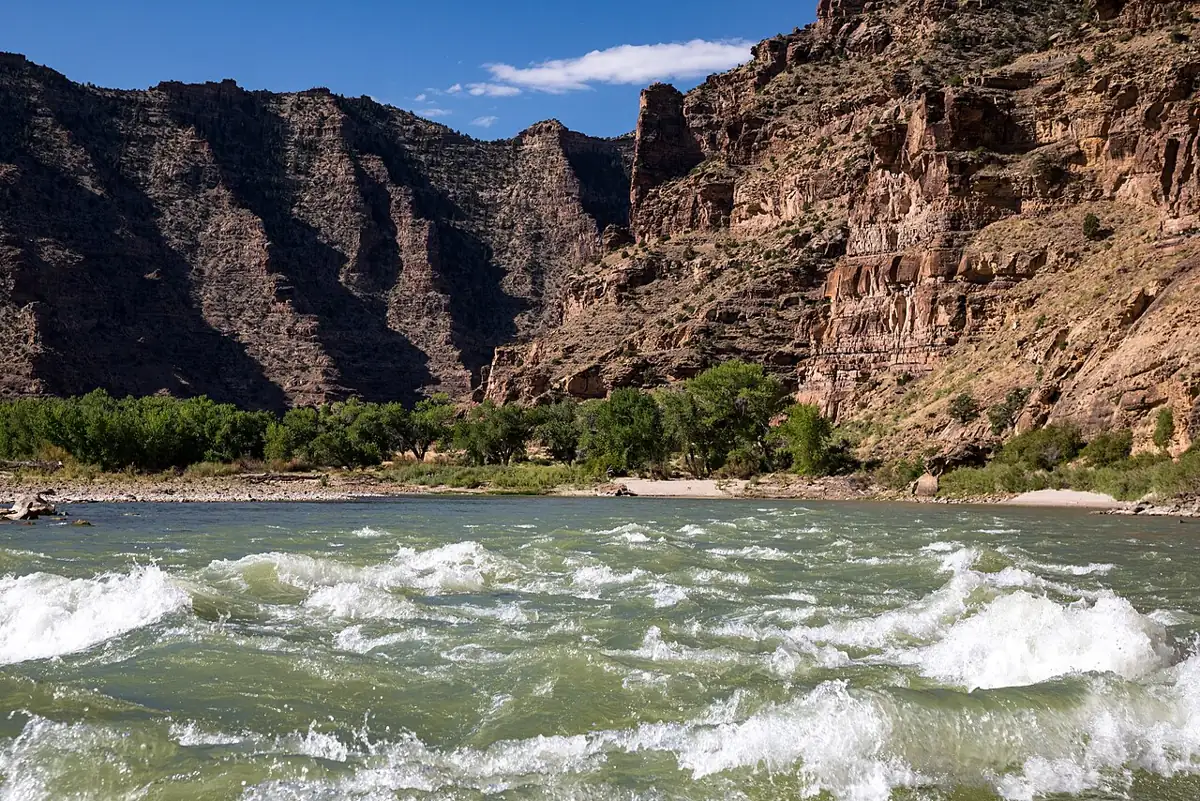
An 84-mile, week-long Green River trip from Sand Wash to Swasey's with dozens of Class II-III rapids and a year-round BLM Price permit.