Reference · gallery
Packrafting photos
Boats on rivers, in canyons and on backs, from desert sandstone to glacial gravel bars.
A packraft looks strange in a photo until you see it in context. On a gravel bar it is a bright, overstuffed tube. Strapped to a pack, it looks like a sleeping pad that got out of hand. On the water it sits low and wide, and the paddler's knees and shoulders are almost the whole picture. The photos below try to show all three stages, because carrying the boat is as much a part of packrafting as paddling it.
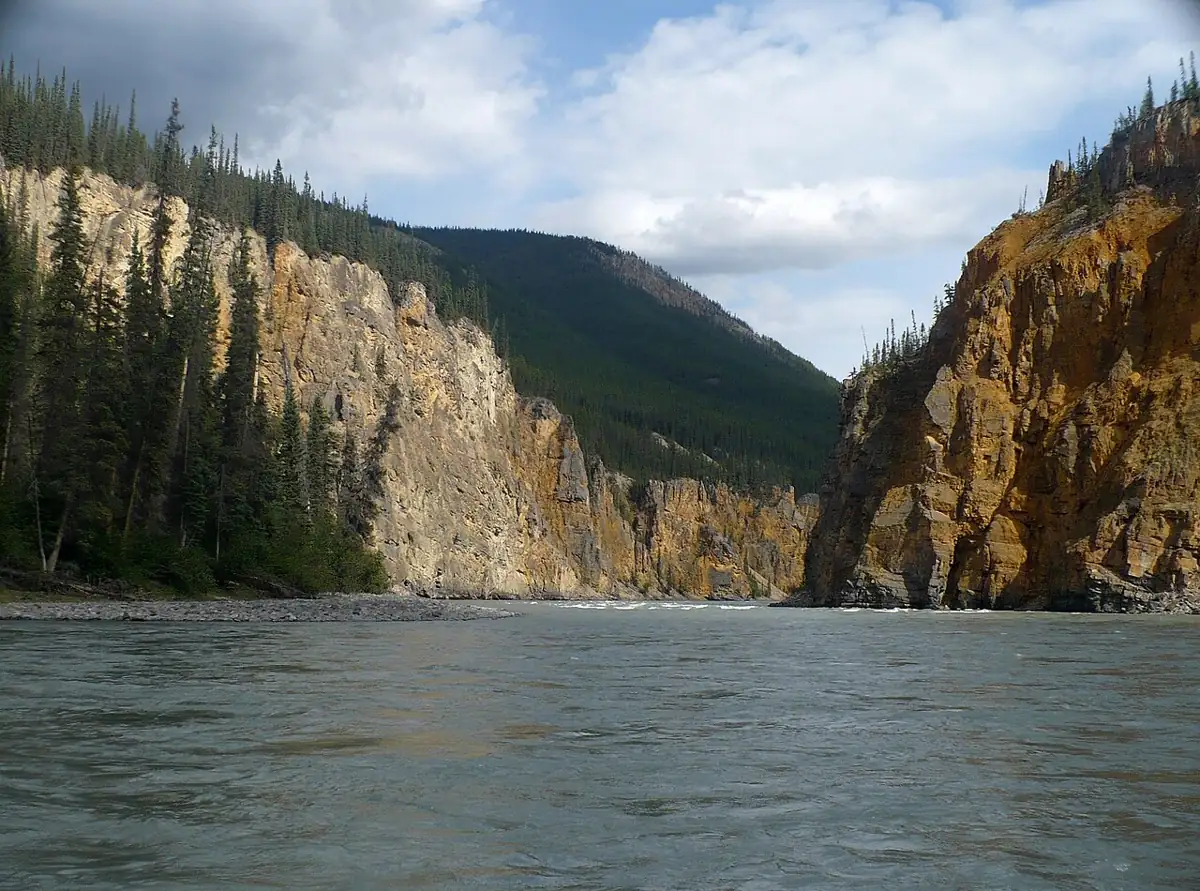

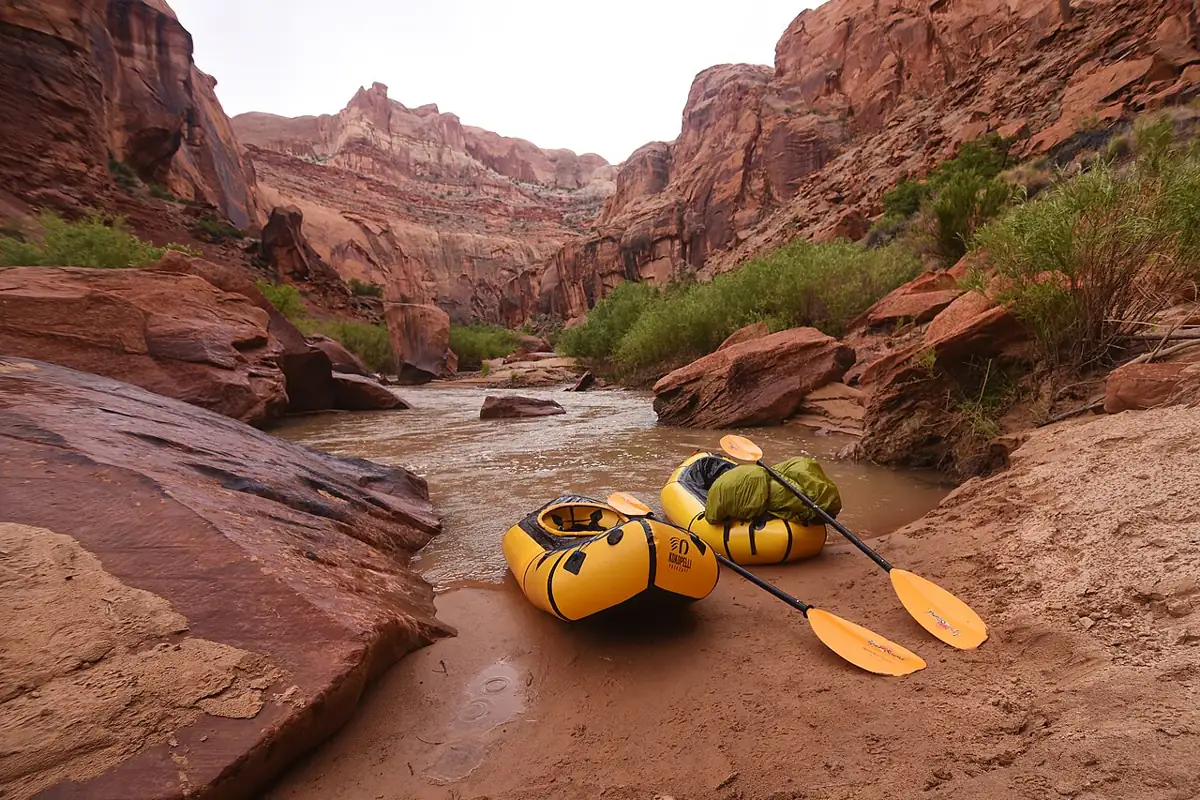
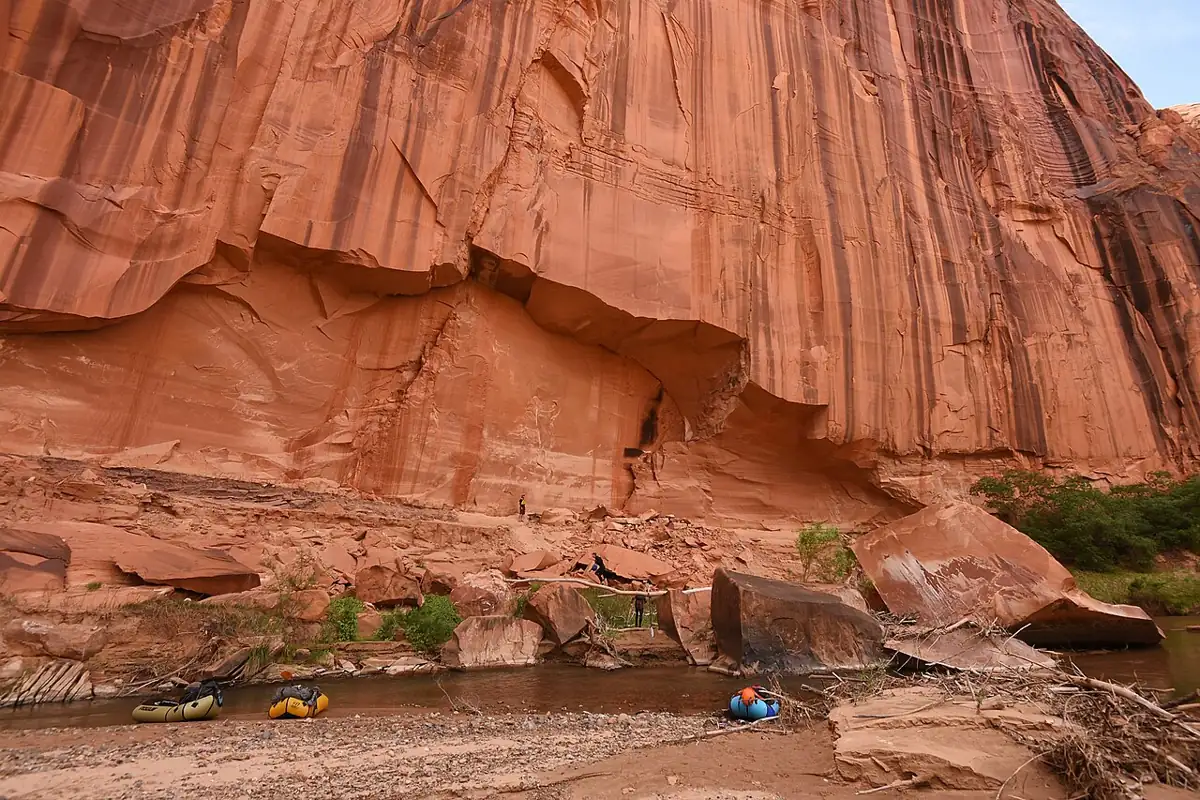
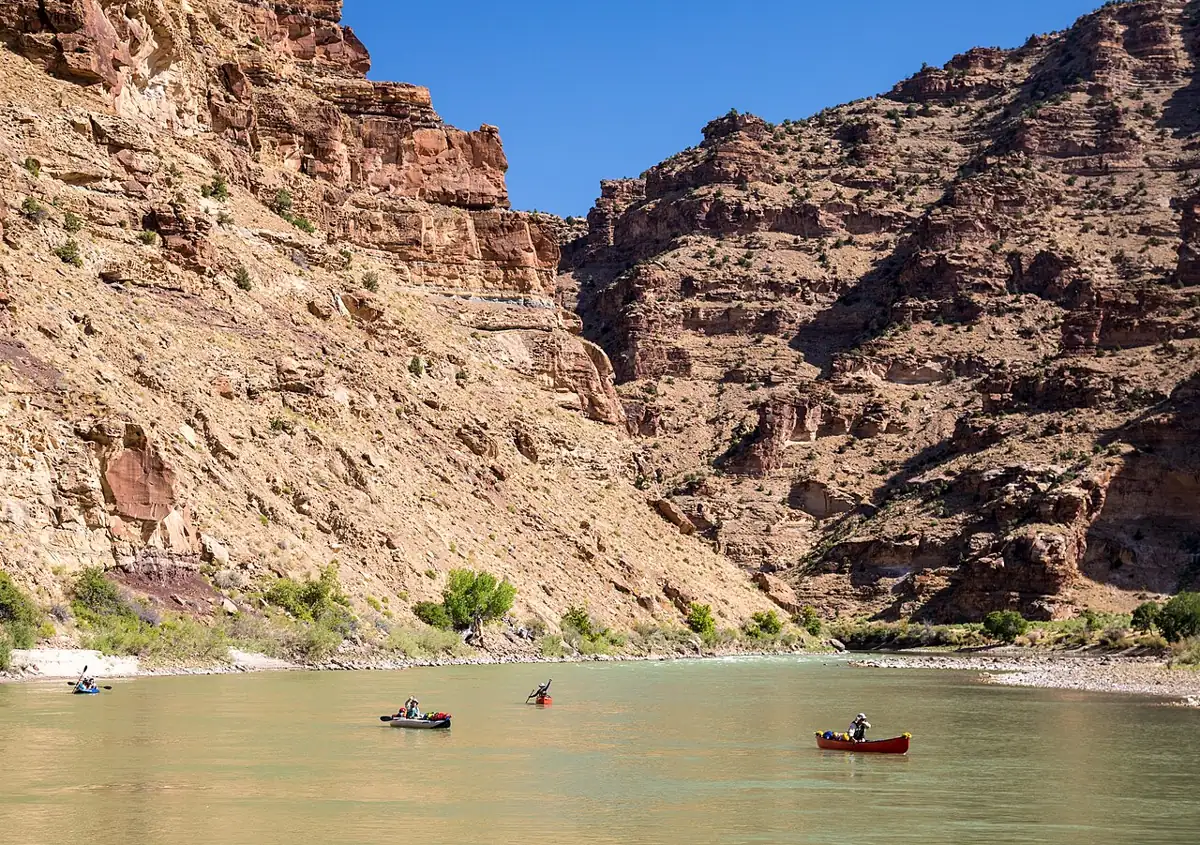
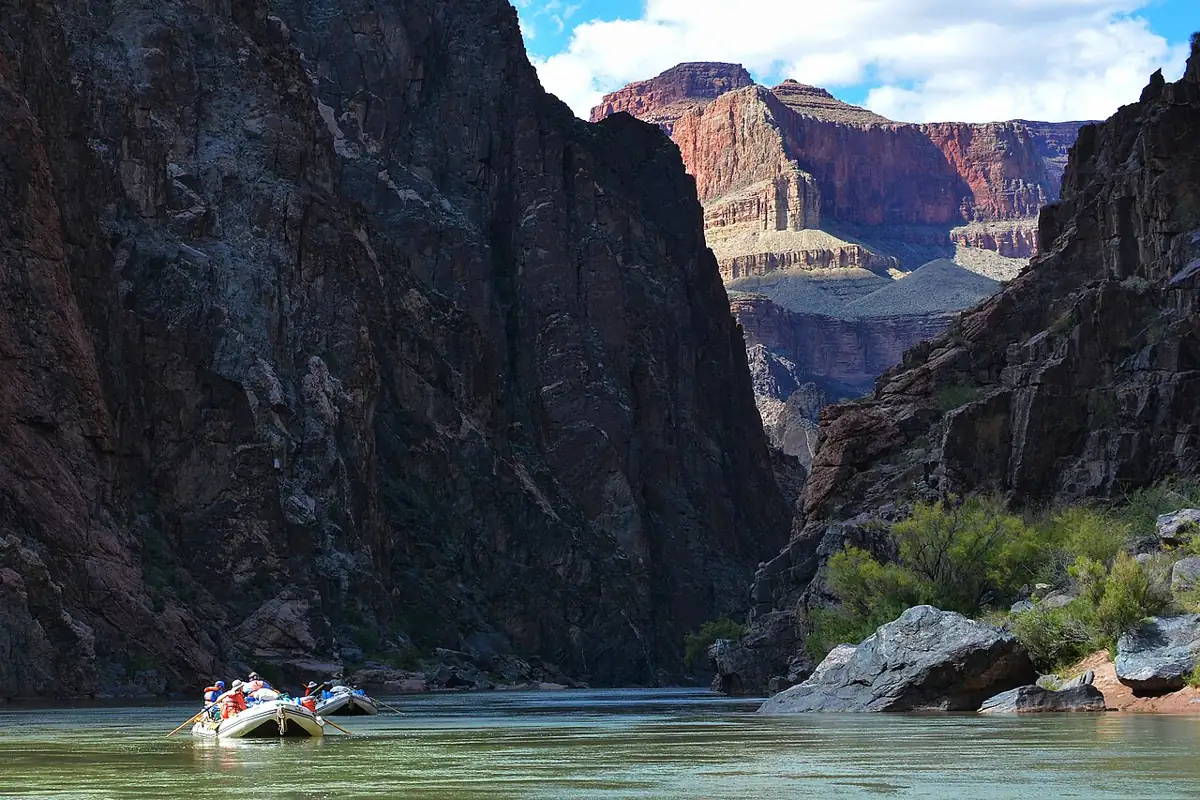
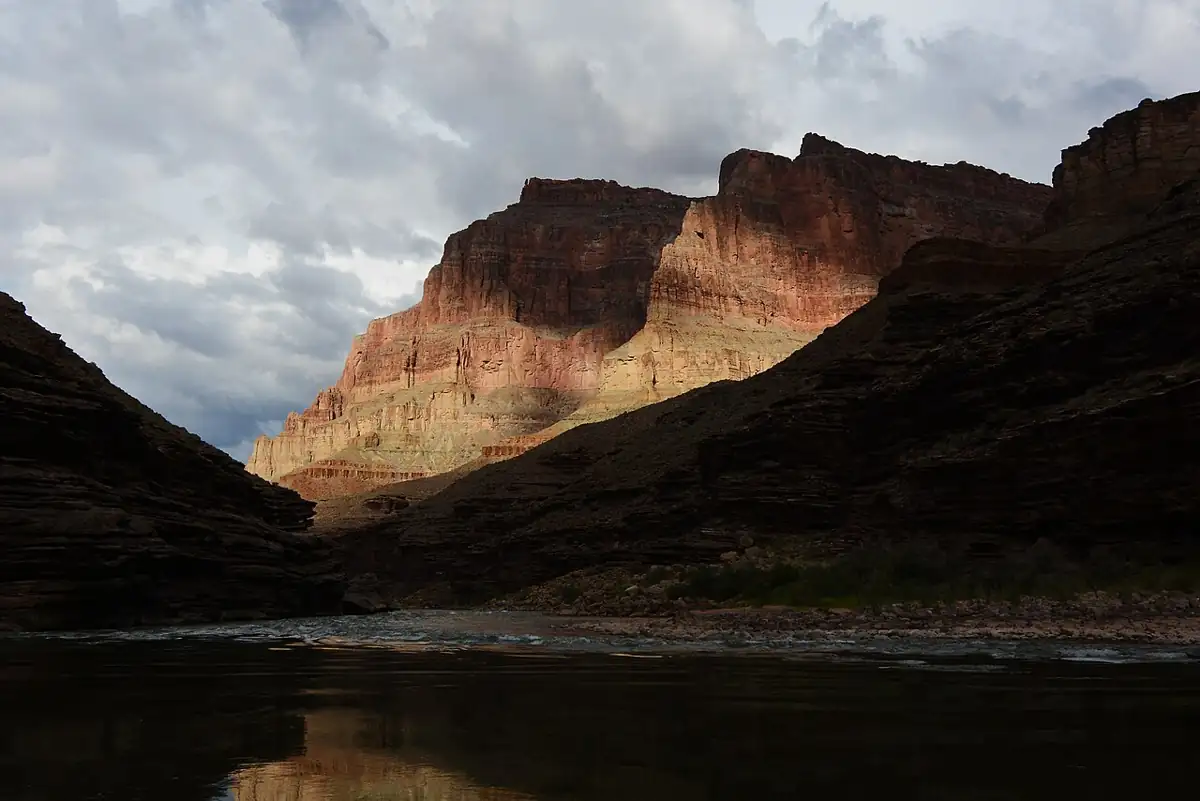
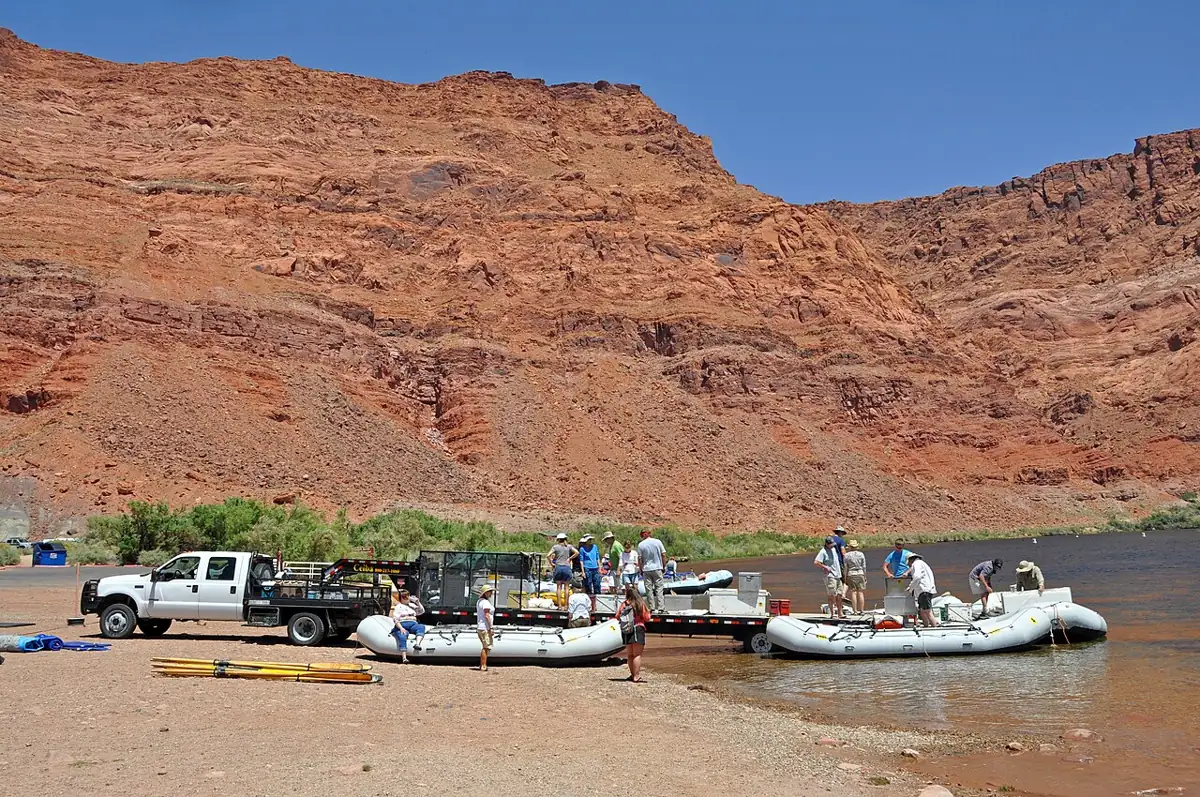
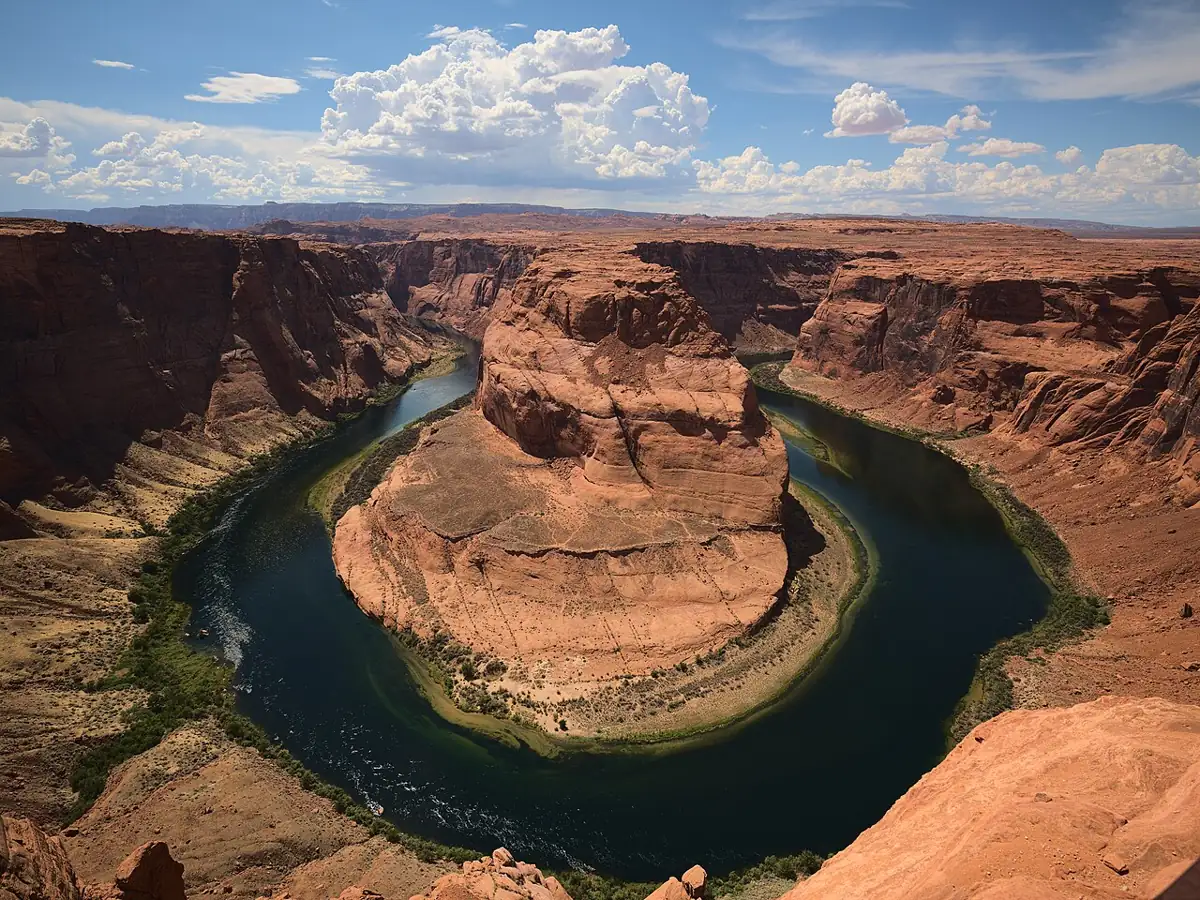
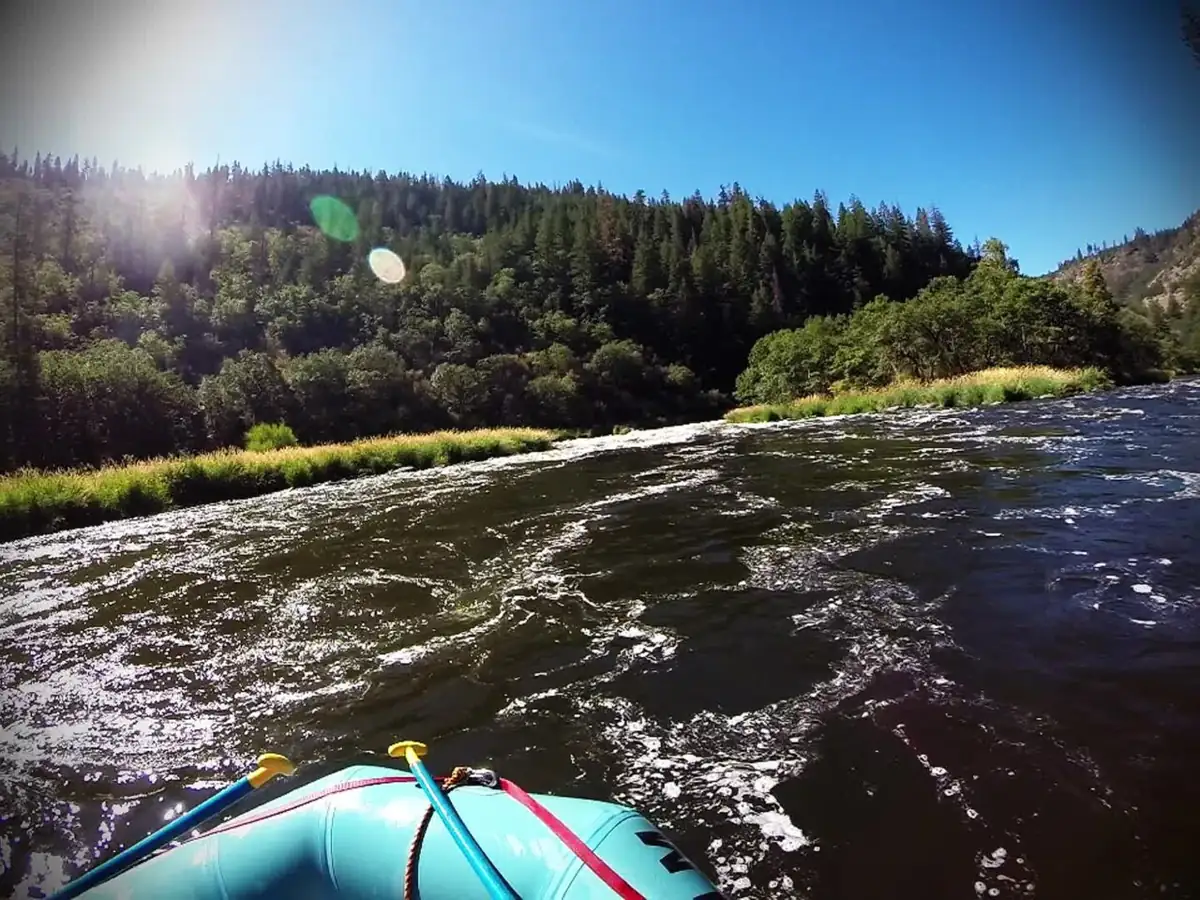
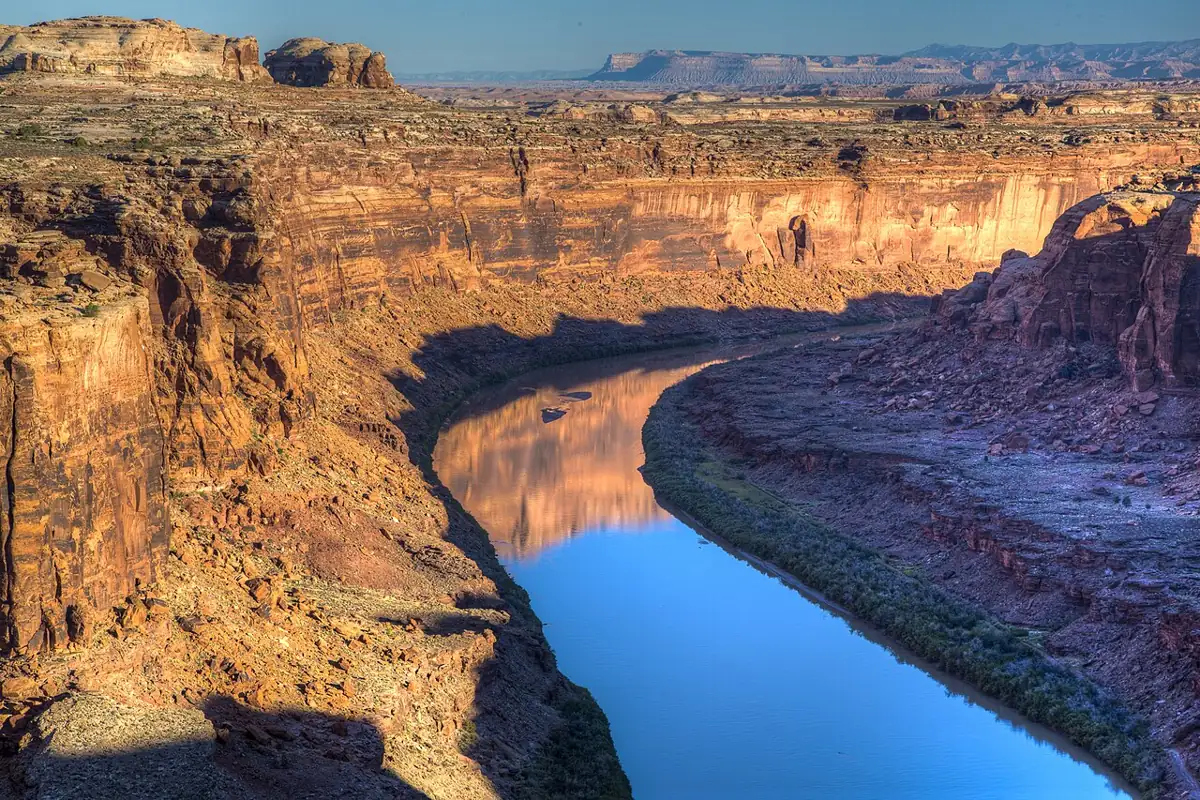
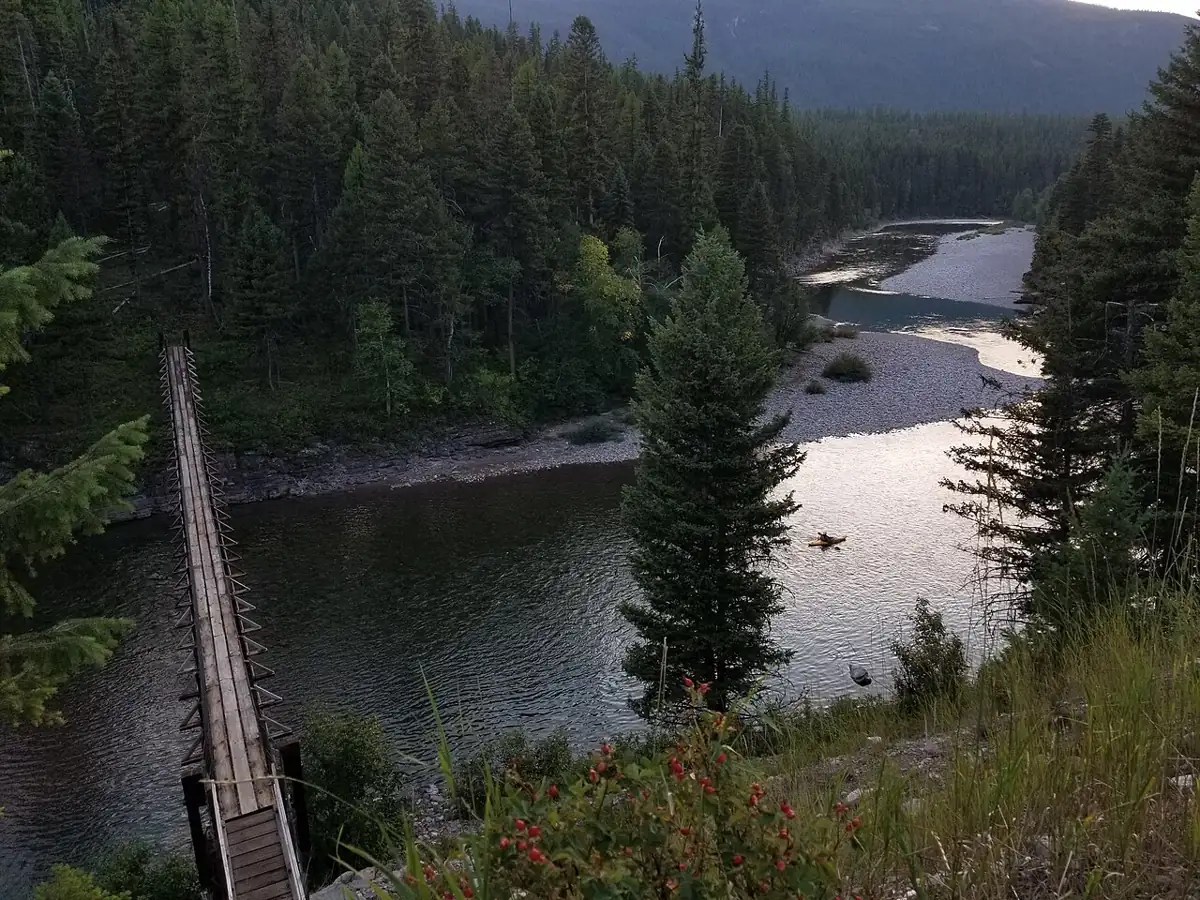
There are boats on braided Alaska rivers, where the walk to the put-in can take days and the water is grey with glacial silt. In Utah they sit in sandstone narrows or drift through the long flat bends of the Green River, with red walls stacked several hundred feet overhead. Colorado shows up in snowmelt whitewater, where paddlers wear drysuits and helmets and the boats carry thigh straps and spray decks. The Grand Canyon shots show packrafts dwarfed by big-water rapids and side canyons. Lake scenes are quieter: a single boat crossing still water toward a far shore, usually because the trail on the other side is the real destination.
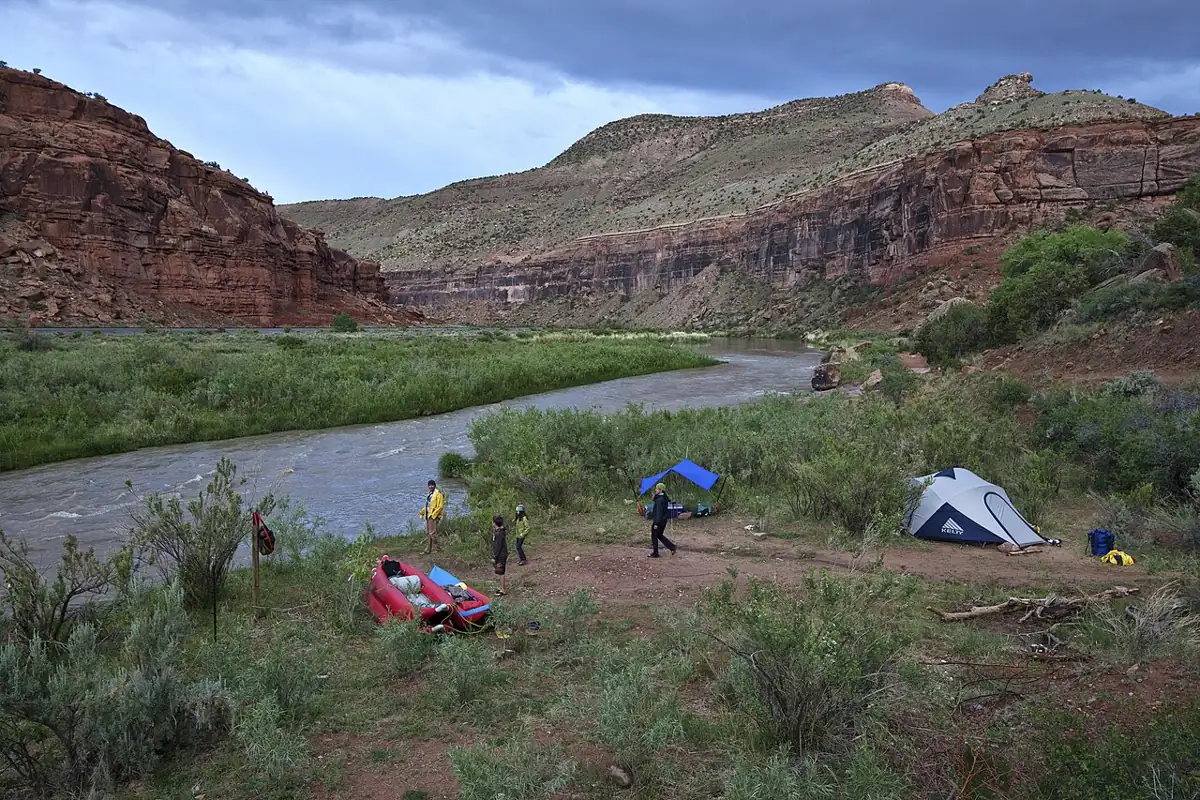
The gear is worth a second look. Paddle halves ride in the side pockets of packs, dry bags are lashed to the bow, a dog sits between a paddler's legs, and on bikerafting trips a whole bicycle balances across the front tube. If a picture raises a question about setup, the bikerafting page and the notes on dry bags answer most of them.
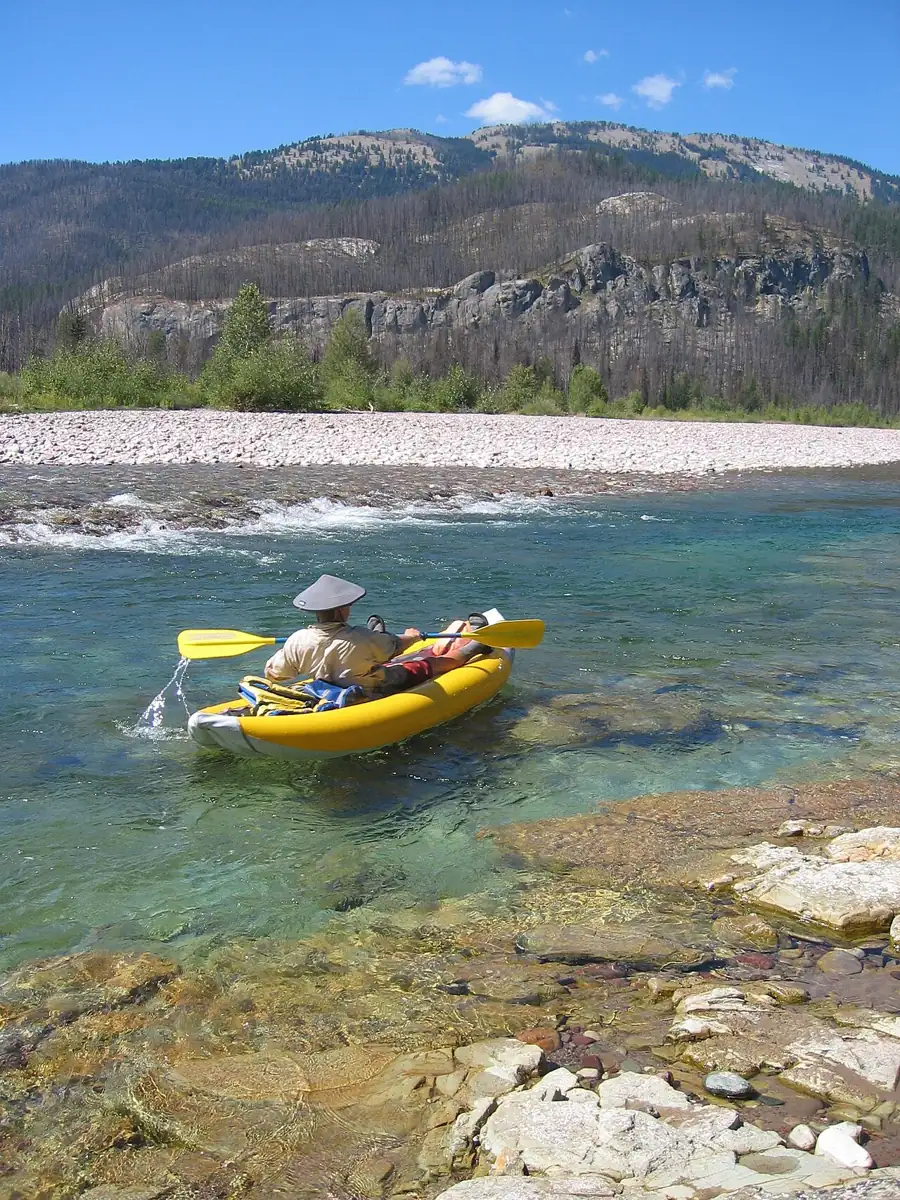
Look at how people sit, too. A paddler on flat water often lounges against a backband with legs stretched out. In whitewater the same paddler sits upright, knees locked under thigh straps, feet braced against the bow. That change in posture is most of the difference between a float boat and a river-running setup, and it is easier to see in a photo than to describe.
















Reading a packrafting photo
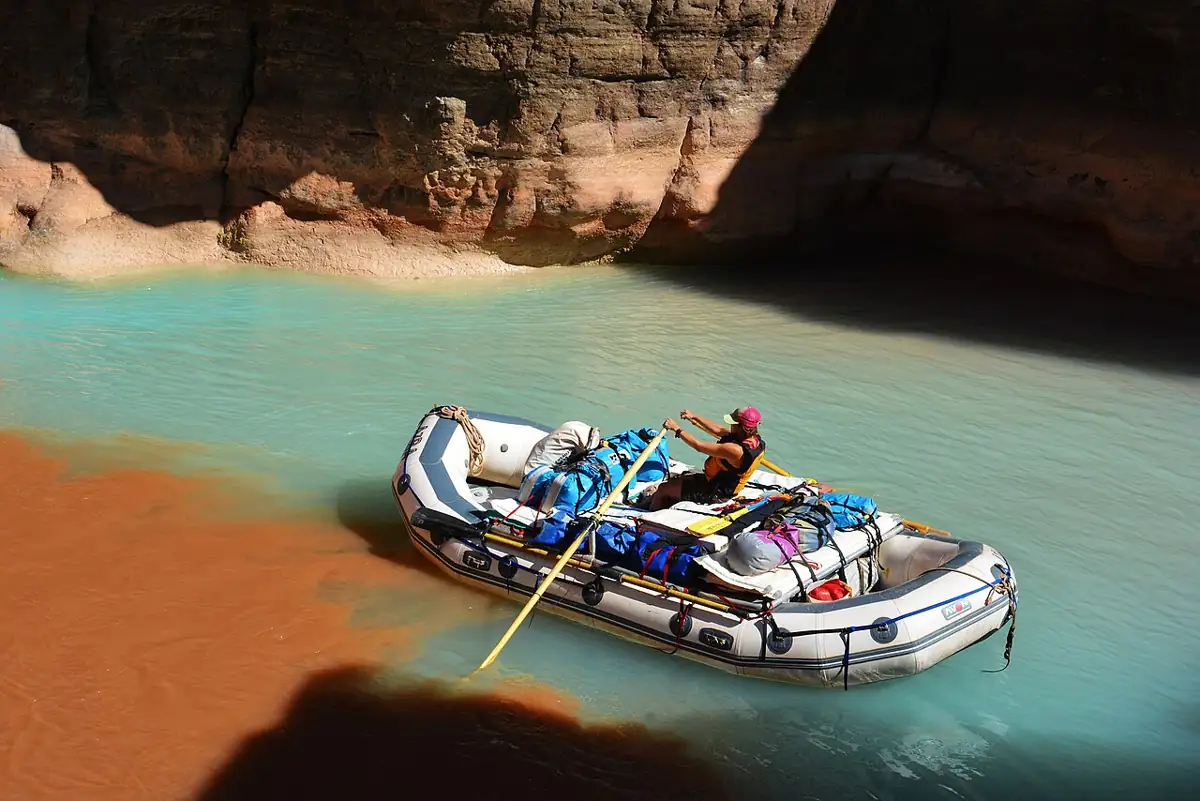
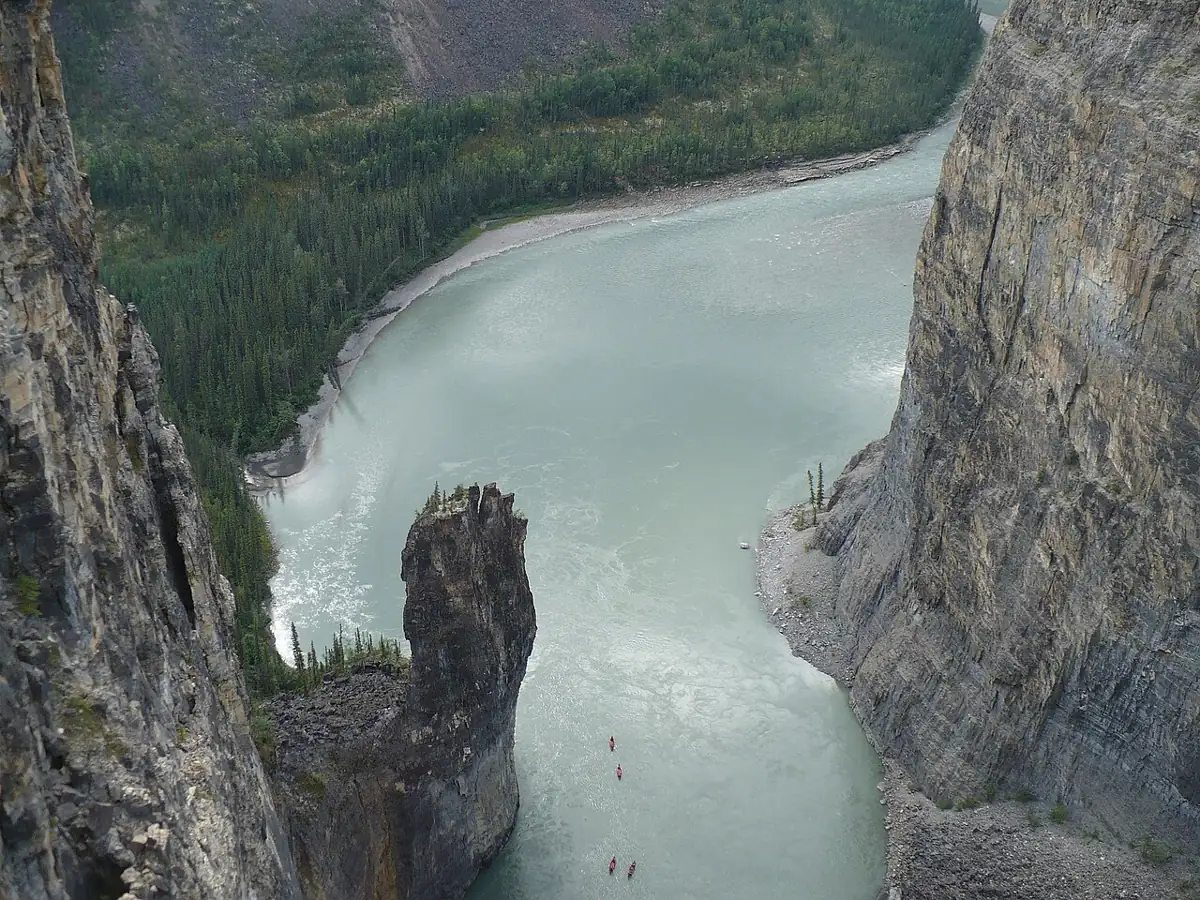
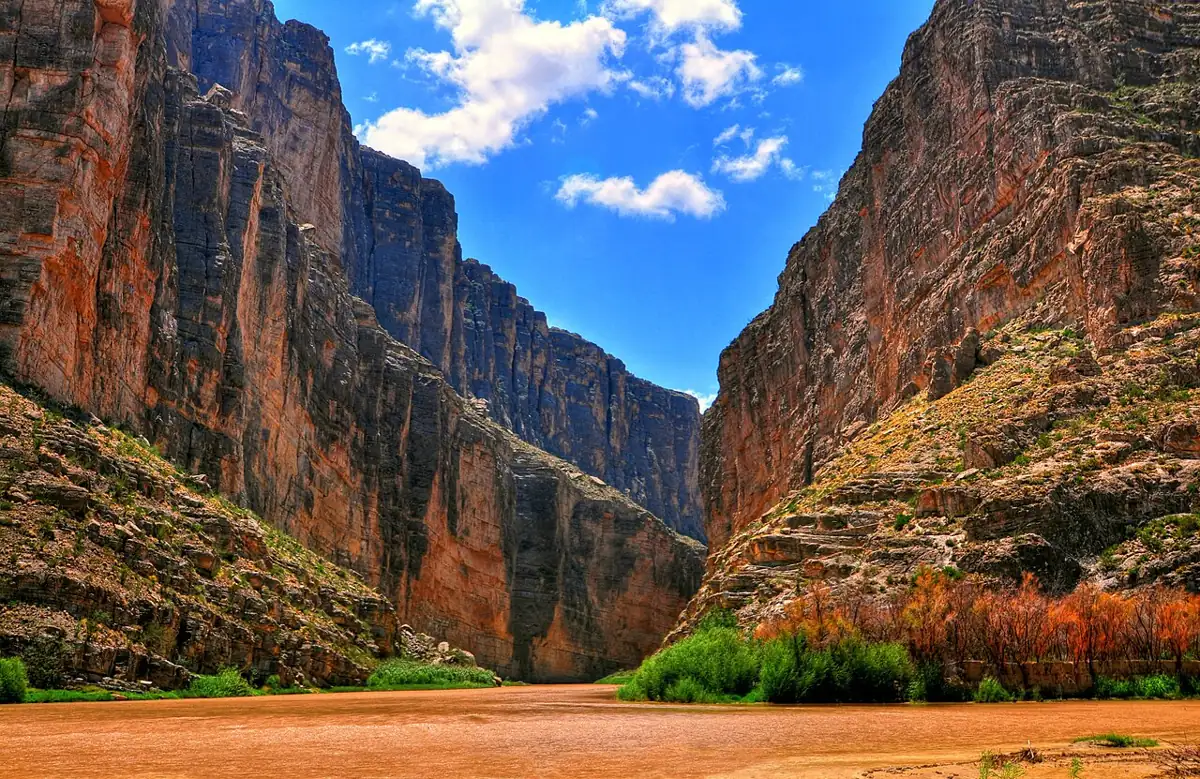
Small details in a picture say a lot about the trip behind it. Water color hints at the source: milky grey or turquoise usually means glacier melt, brown means a desert river carrying sediment, and clear green often means a dam-release river or a spring-fed creek. The paddler's clothing hints at water temperature. A full drysuit in July usually means snowmelt, while shorts and a sun hoody suggest a warm desert float. Gear on the bow tells you whether it was a day run or a multi-day trip. A single small dry bag means a few hours on the water. A stack of bags lashed down with straps, or a boat that rides noticeably low, means camp is on board.
The water surface says something too. Smooth, glassy tongues lead into rapids, and white, broken water marks waves, holes and rocks. A paddler pointed upstream behind a rock is sitting in an eddy, the calm pocket below an obstacle where boats stop to rest or scout. The whitewater reading guide explains what each of these features means for your line.
Some shots also show mistakes worth avoiding, such as a boat left in full sun on hot rock, which raises internal pressure fast. The inflation page explains why paddlers let a little air out on shore and top it up again once the tubes have cooled in the water. Other things to spot: a paddler without a life jacket on moving water, a bow line trailing loose where it could snag, or a boat parked on sharp rock in the sun.
Taking your own river photos
If you want to bring home photos like these, a few habits help. Keep the camera or phone in a waterproof case clipped to your life jacket, not loose in the boat, so it stays with you if you swim. Take most pictures from eddies and the shore, where you can stop and steady yourself, and leave the camera stowed in rapids. A partner standing below a drop gets better shots than anyone paddling it.
Morning and evening light suit canyon walls, while midday sun flattens them and glares off the water. A red, orange or yellow boat stands out against grey gravel and green water. If you have to choose between the shot and your paddle stroke, take the stroke.
If you post photos from a river trip, think before tagging exact camp spots or fragile places such as small side canyons and archaeological sites. The leave no trace notes cover why some locations are better left unnamed.
Where these rivers are
Most scenes match a route with its own trip page. Start with the Utah canyon floats, the Colorado rivers and the notes on packrafting the Grand Canyon. For the far north, read the Alaska trip notes, and for a gentle first desert overnight, the Labyrinth Canyon float.