Trip notes · Further afield
Further afield
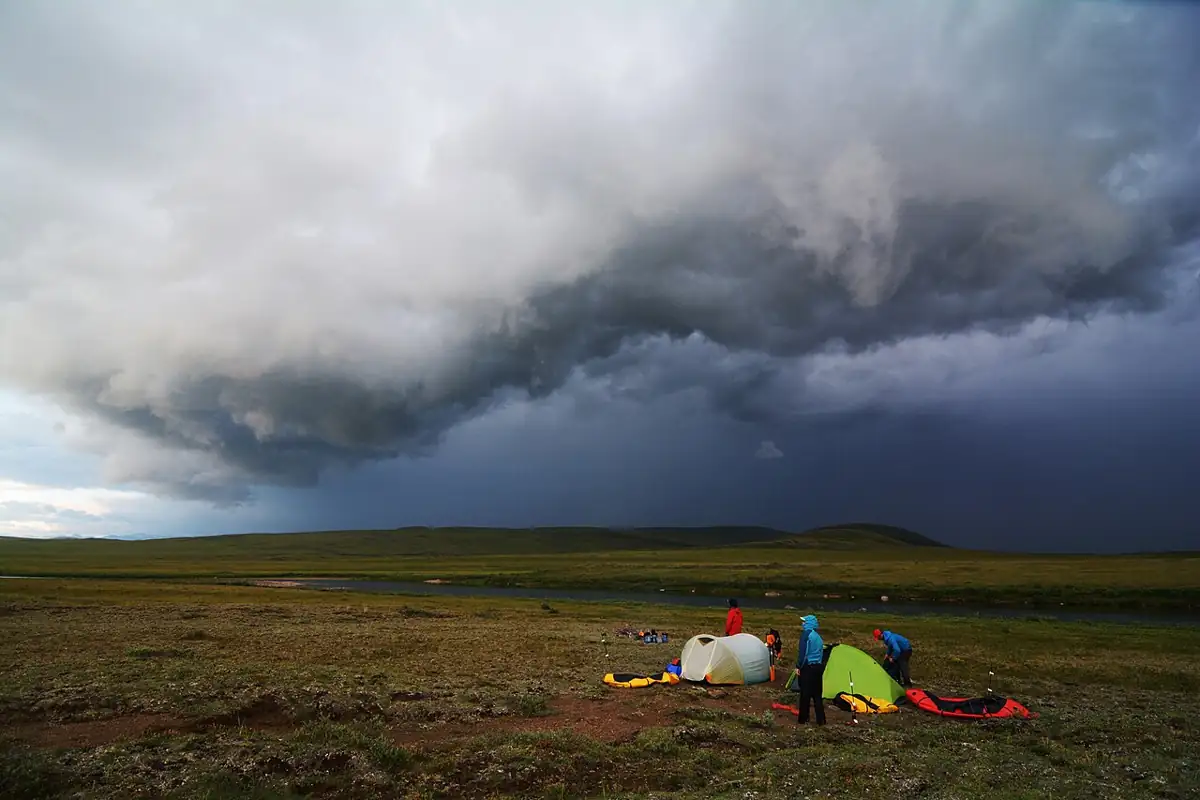
The rivers here are a long way from the Four Corners and usually a long way from help, which is where a boat that fits in a pack earns its place.
A packraft that fits in a backpack or an airline bag changes which trips are realistic. A river that would otherwise mean a trailer and a shuttle company can be reached with a bush plane or a long walk. The pages in this section cover six such places. They are spread across the country and over the border into Canada, and they get more remote as the list goes on.
The six trips side by side
| Trip | Region | Typical length | Whitewater | Season | Permit / agency | Remoteness |
|---|---|---|---|---|---|---|
| Rogue Wild Section | Oregon | About 34 miles, 3 to 4 days | Class III, one Class IV | Summer, early fall | Lottery in the regulated season; BLM and USFS | Trail along much of the river |
| Rio Grande Lower Canyons | Texas border | 83 miles, 7 to 10 days | Mostly flat, Class II-III, one harder drop | Late fall to early spring | NPS backcountry permit | No road exits for a week |
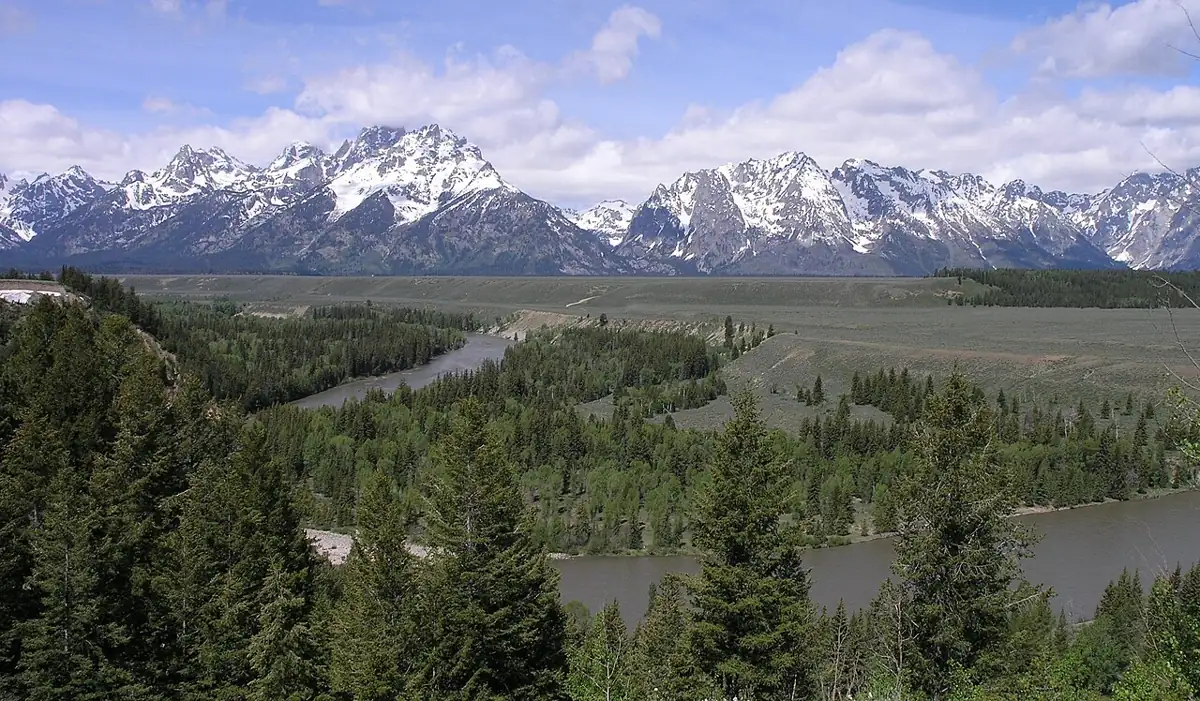
| Grand Teton | Wyoming | Day trips and short overnights | Flatwater; braided Snake channels | Summer | NPS boat permit and AIS inspection | Roadside |
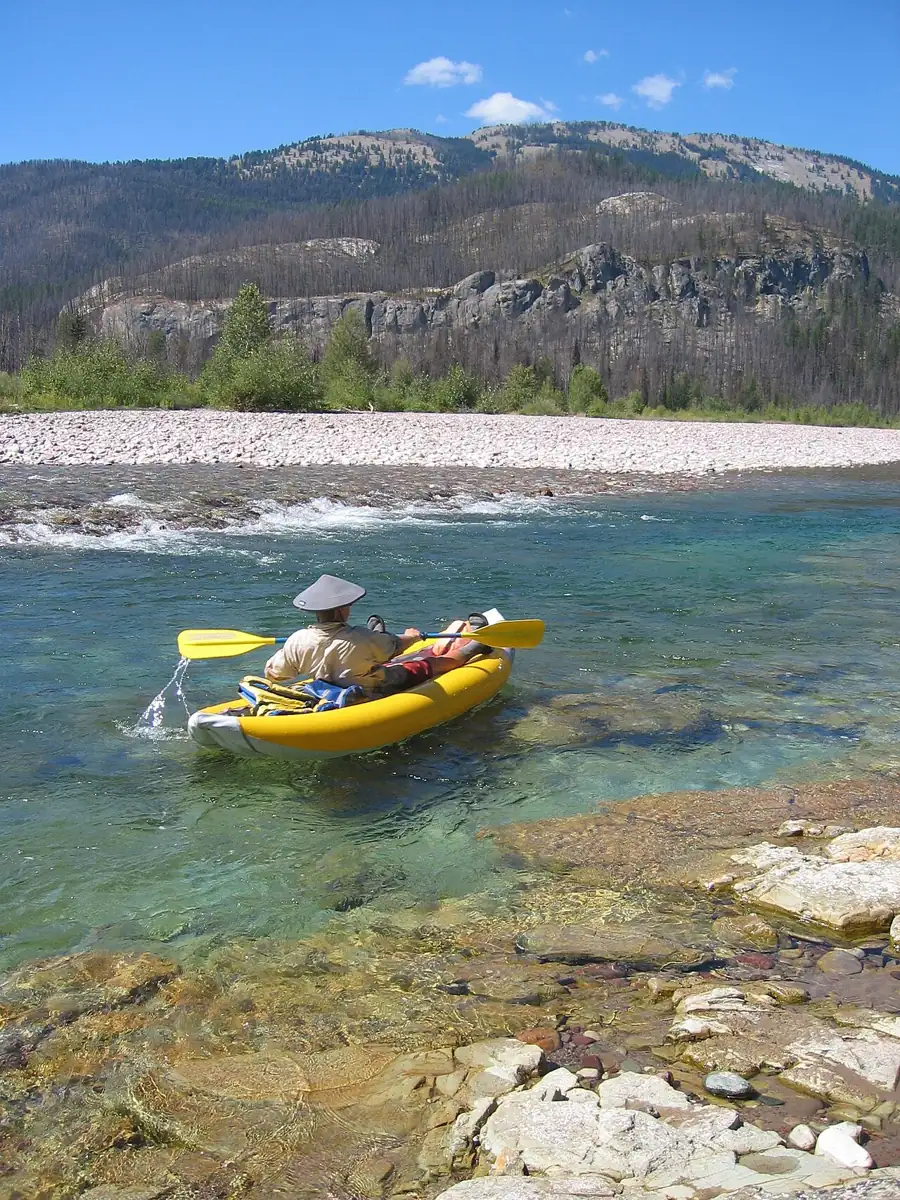
| South Fork Flathead | Montana | About 37 floatable miles plus a long walk in | Class I-II; gorge usually walked | Mid-June to late August | USFS wilderness rules | Days from a road |
| Alaska | Several regions | Weekend to several weeks | Class I to glacial Class IV | Mid-June to early September | NPS, USFWS, BLM, USFS, state | Often fly-in only |
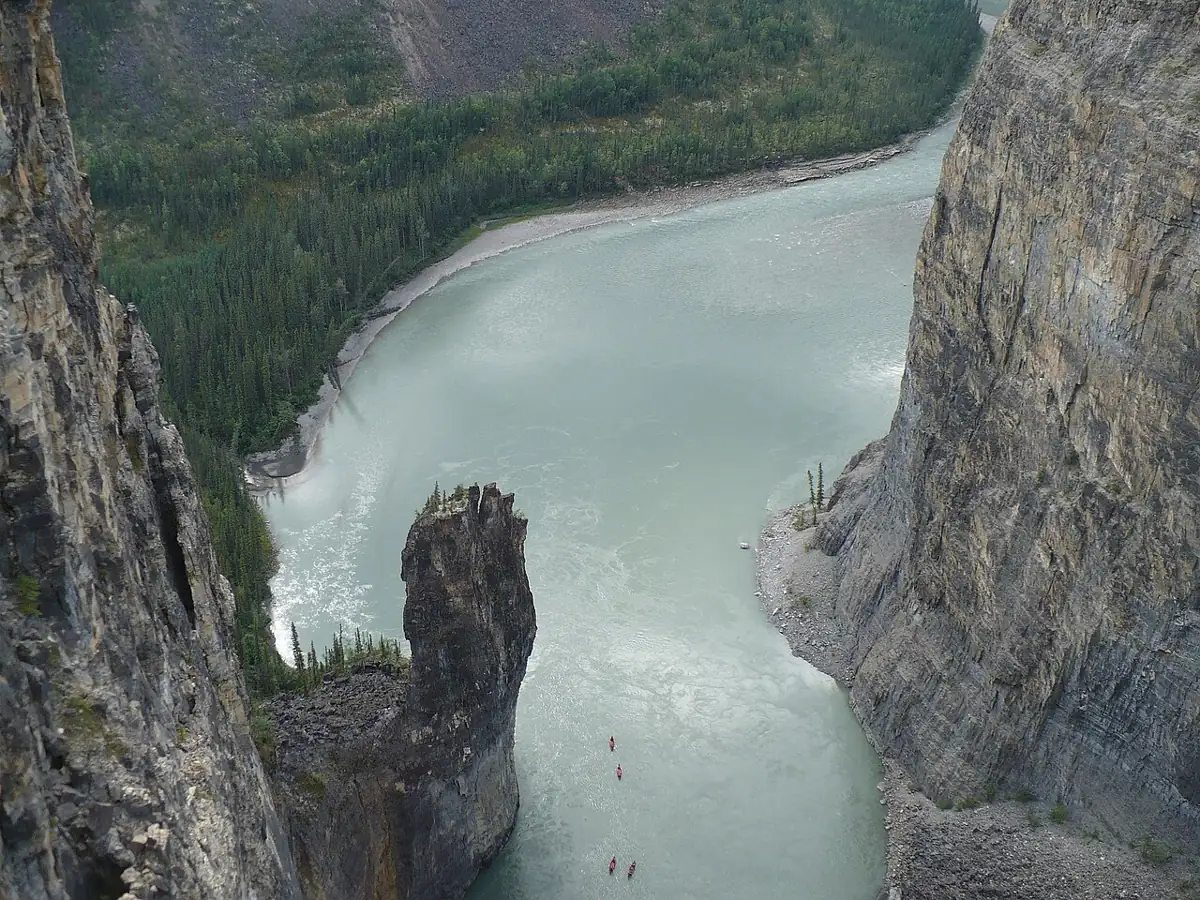
| Nahanni | Northwest Territories | 1 to 3 weeks | Big-volume Class III, harder tributaries | June to early September | Parks Canada reservation and registration | Fly-in, days from help |
Put-ins, flows, rules and hazards for each trip are on its own page.
Lottery rivers and park permits
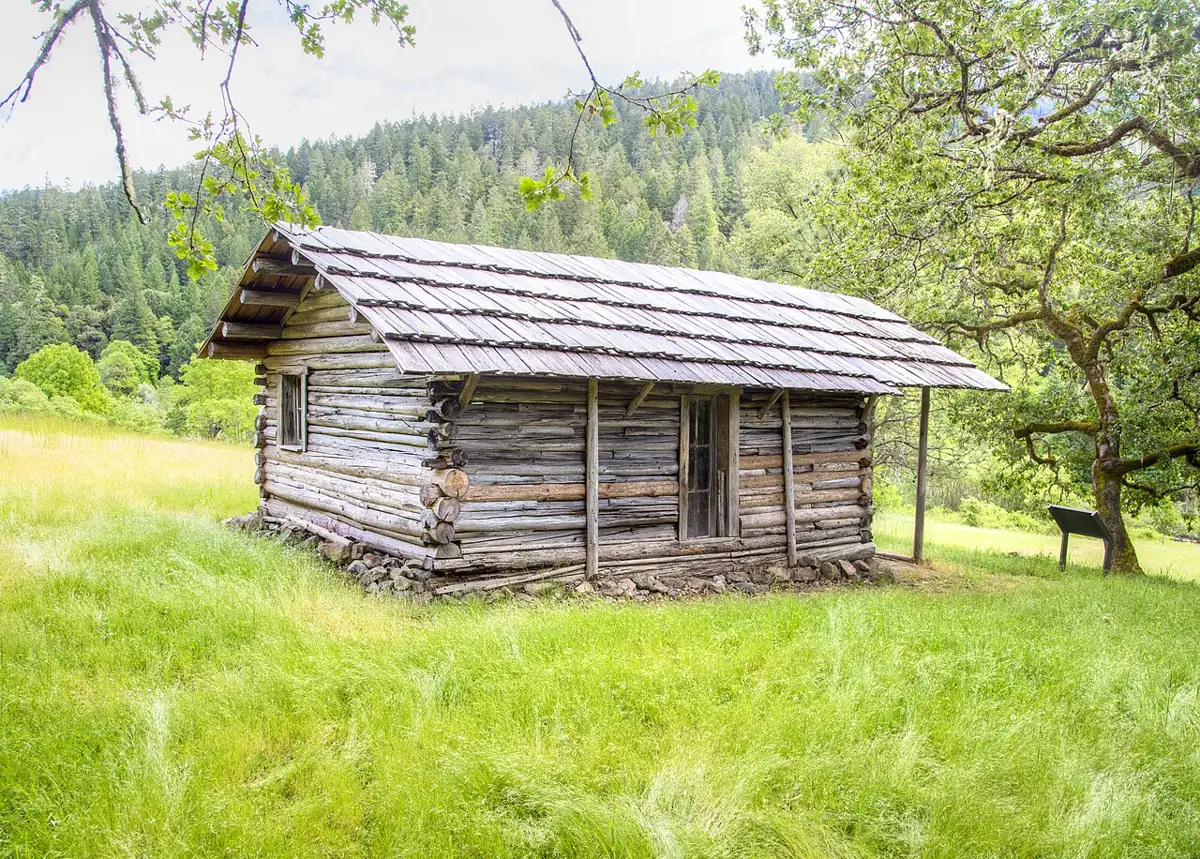
The Rogue River's Wild Section in southern Oregon is a classic three- to four-day trip with forested canyon walls, bear boxes in camps, and a few rapids you must scout. During the main season the BLM and Forest Service limit launches through a lottery, so a packraft trip here starts months ahead.
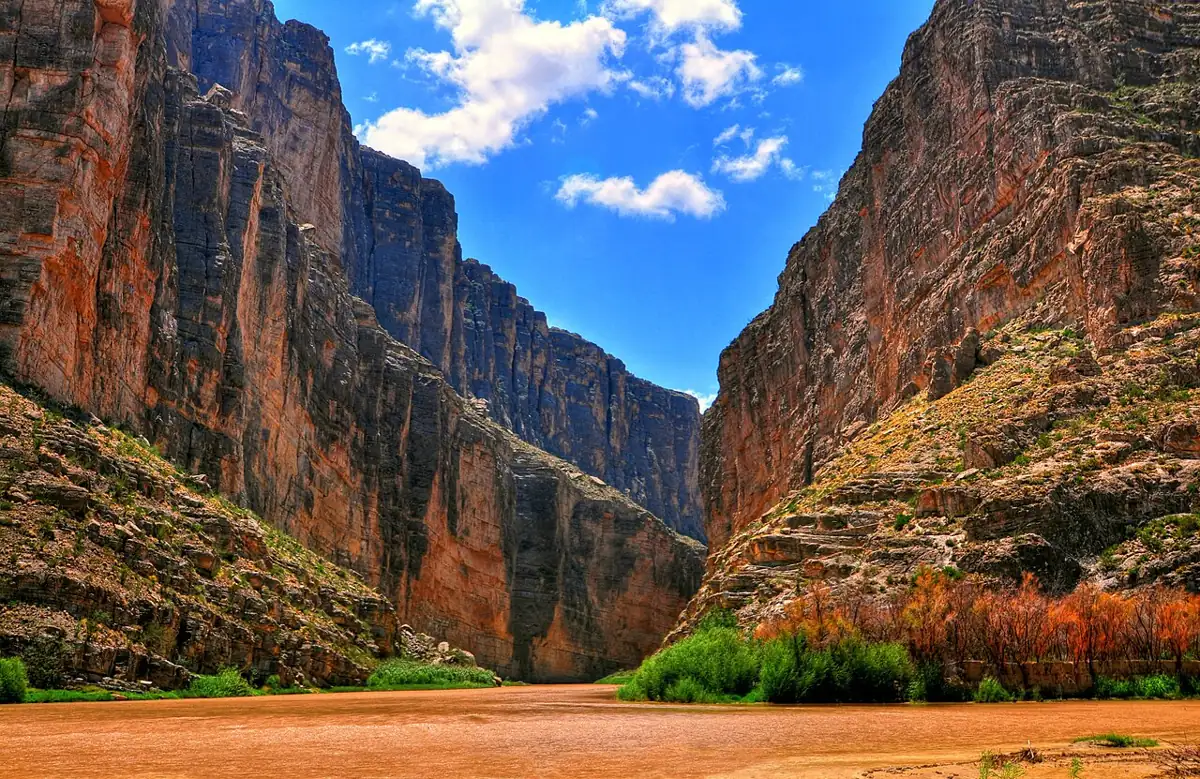
The Lower Canyons of the Rio Grande, downstream of Big Bend National Park, are the opposite: a winter trip on the Texas-Mexico border with long flat days, deep limestone canyons and a few Class II-III rapids. It is remote and has a long shuttle, and the park still manages the paperwork.
In Wyoming, Grand Teton National Park suits beginners and road trippers. Lakes below the peaks and the Snake River are open to human-powered boats with a park boat permit and an invasive-species inspection.
Wilderness and the far north
Montana's Bob Marshall Wilderness is classic hike-in, float-out country: walk up the South Fork of the Flathead for days, then float back with a fly rod. Fire season can change the plan in a matter of hours.
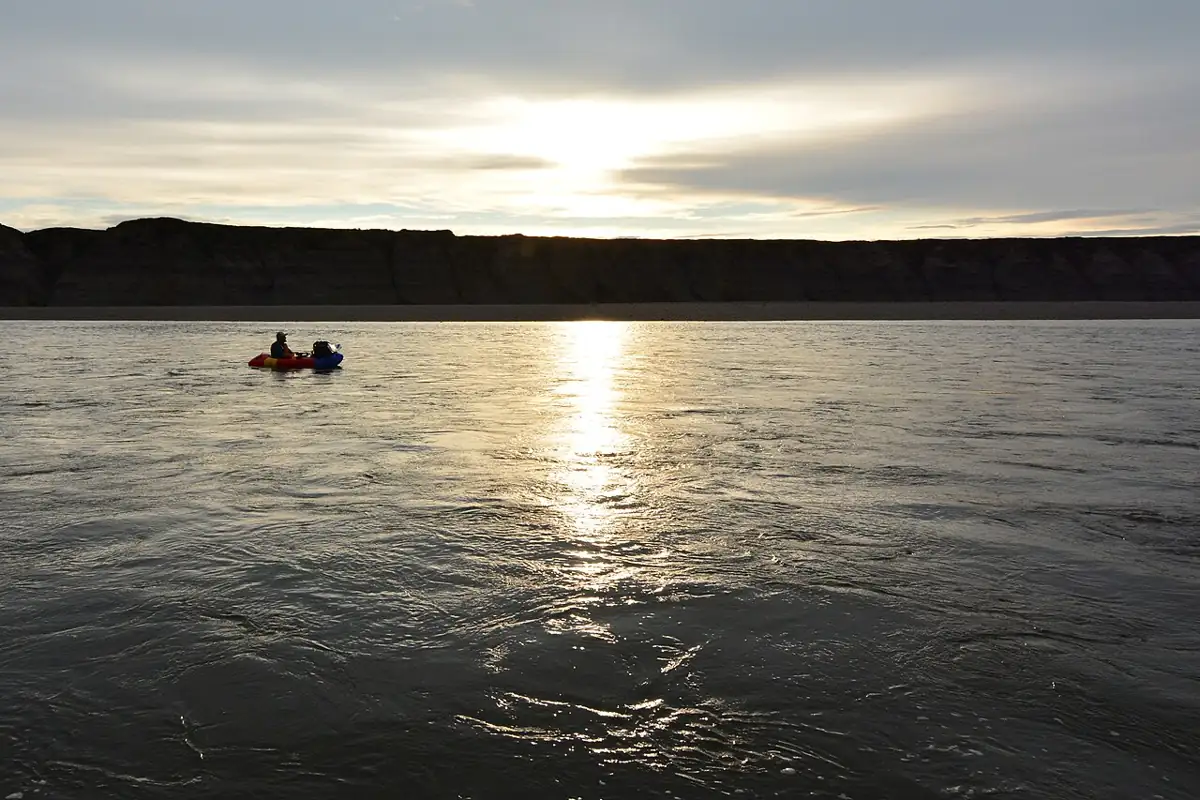
Alaska gets a page organized by region, from the Brooks Range and Wrangell-St. Elias to the road-accessible Kenai and the volcanic caldera of Aniakchak, with notes on who manages the land, bear rules and bush flights. The Nahanni in the Northwest Territories is a fly-in trip of several weeks that combines whitewater with a climbing approach and a portage around Virginia Falls.
How to choose
Pick by season first, then by commitment.
- The Lower Canyons are the only trip in this section that works between November and March.
- For a first trip away from home, Grand Teton has road access, short distances and flatwater, and it is a good place to learn to carry a boat to a lake.
- The Rogue suits a first multi-day whitewater trip: rapids you can scout, with a trail alongside. In the regulated season you have to win or pick up a permit.
- On hike-and-float trips in the Bob Marshall and on Alaska's easier rivers, fitness matters more than paddling skill.
- The Nahanni and Alaska's glacial rivers are expeditions. They need strong whitewater skills, cold-water gear and a plan for being days from help.
If you have not planned a multi-day trip before, the trip planning article walks through float plans, group size and turnaround points.
What changes when you go further
| Factor | Close to home | Further afield |
|---|---|---|
| Help | Cell signal or a short walk | Satellite messenger, days from a road |
| Repairs | Patch at the car | Patch in an eddy, carry spares |
| Bears | Rare | Common; food storage required |
| Water temperature | Varies | Usually cold |
| Getting there | Car shuttle | Flights, bush planes, long drives |
Build your gear list for these trips from the packing checklist, carry a repair kit you have practiced with, and review cold-water safety before any northern trip. Hunters who want to carry meat out in a packraft can find more on packraft hunting trips.
The managing agency for each river is listed in the fact box on its page. Rules, fees and seasons change, and some of these rivers cross tribal, state or international jurisdictions, so contact the agency before you commit to flights. For trips closer to the Rockies, see the Arizona, Utah and Colorado sections.
Trips in this section
 01
Rogue River Wild Section
Grave Creek to Foster Bar in a packraft, with permits, gauges, camps and notes on Rainie Falls, Mule Creek Canyon and the Blossom Bar move.
 02
Rio Grande: the Lower Canyons
About 83 remote miles of border canyon below Big Bend, best floated in winter with plenty of flatwater paddling.
 03
Packrafting Alaska
How Alaska's packraft regions differ, who manages the land, how bush flights work, and what bears and cold water mean for your plan.
 04
Snake River and the lakes of Grand Teton
Park boat permits, AIS inspection, the lakes open to boats and the Snake River sections from Jackson Lake Dam to Moose.
 05
Montana's Bob Marshall Wilderness
Days of walking up the South Fork of the Flathead, then floating back down with a fly rod through roadless country.
 06
Nahanni National Park Reserve
A fly-in, several-week packraft journey down the Little Nahanni and South Nahanni, with a detour to the Cirque of the Unclimbables.